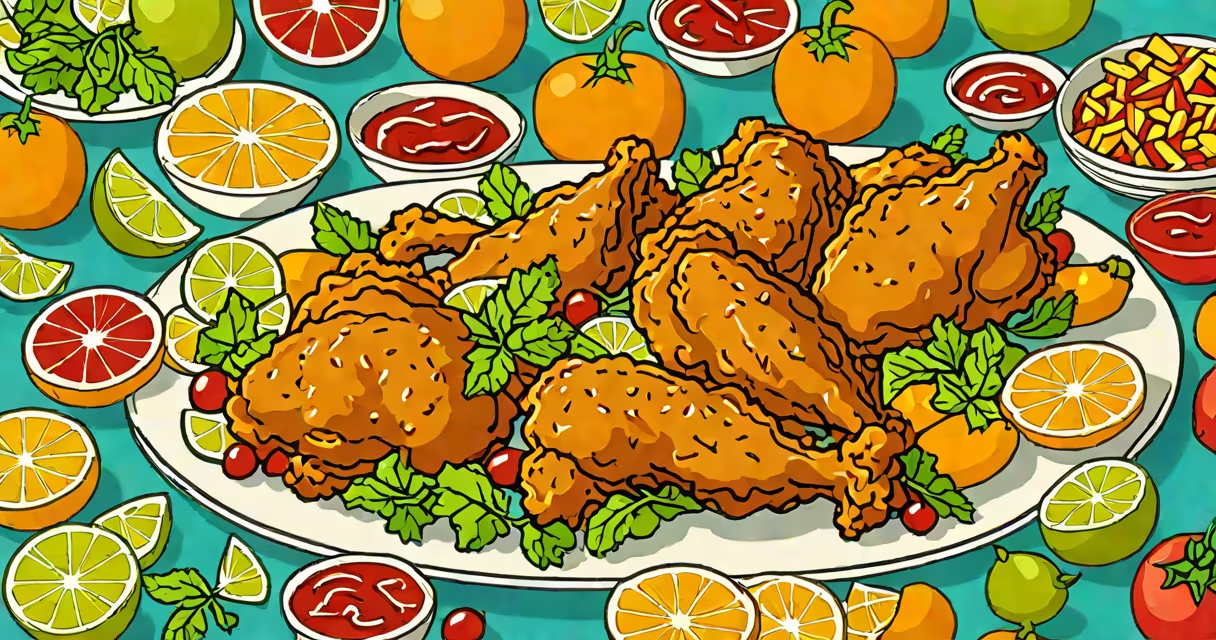
Best foods to avoid acid reflux include high-fat, spicy, acidic, and processed items that relax the lower esophageal sphincter or irritate the esophagus. These foods increase stomach acid production or delay gastric emptying, leading to heartburn and regurgitation.
Acid reflux occurs when stomach acid flows backward into the esophagus. The lower esophageal sphincter (LES), a ring of muscle at the top of the stomach, normally prevents this. When certain foods weaken the LES or increase pressure in the stomach, acid escapes. Common culprits include fried foods, citrus fruits, tomatoes, chocolate, caffeine, alcohol, and spicy dishes.
The American College of Gastroenterology notes that dietary triggers vary between individuals, but consistent patterns emerge in clinical studies. For example, a 2021 study published in Alimentary Pharmacology & Therapeutics found that patients with gastroesophageal reflux disease (GERD) reported symptom worsening after consuming fatty meals, mint, and carbonated beverages. These findings support targeted food avoidance as a core strategy in managing reflux.
Foods that trigger acid reflux do so through several mechanisms. High-fat foods slow gastric emptying, meaning food stays in the stomach longer and increases pressure. This pressure forces acid upward. Spicy foods stimulate nerve endings in the esophagus, causing a burning sensation even without acid exposure. Acidic foods like oranges and vinegar lower the pH in the stomach and may irritate the lining of the esophagus.
Caffeine and alcohol both relax the LES. Caffeine stimulates acid secretion, while alcohol reduces LES tone. Carbonated drinks introduce gas into the stomach, increasing intra-abdominal pressure. A 2019 review in Frontiers in Physiology confirmed that carbonation independently contributes to reflux episodes, even in people without other risk factors.
Even healthy foods can trigger reflux when consumed in excess. For example, large portions of broccoli or beans cause bloating and gas, which push acid upward. Portion size matters-eating until full increases abdominal pressure regardless of food type.
Common foods that worsen acid reflux fall into distinct categories based on their mechanism:
| Type | Examples | Primary Effect |
|---|---|---|
| High-fat foods | Fried chicken, bacon, cheese, butter | Delays stomach emptying; increases LES relaxation |
| Acidic foods | Oranges, lemons, tomatoes, vinegar | Increases stomach acidity; irritates esophageal lining |
| Spicy foods | Chili peppers, curry, hot sauce | Stimulates pain receptors in the esophagus |
| Caffeinated beverages | Coffee, energy drinks, black tea | Stimulates acid secretion; relaxes LES |
| Alcoholic drinks | Beer, wine, spirits | Reduces LES pressure; irritates mucosa |
| Carbonated beverages | Soda, sparkling water, beer | Introduces gas; raises intra-abdominal pressure |
Some foods have dual effects. Tomatoes contain both acid and fat. Chocolate contains caffeine, fat, and theobromine-a compound that relaxes the LES. These combinations make them particularly potent triggers.
A 2020 clinical trial at the University of Michigan showed that participants who eliminated high-fat and acidic foods reduced daily reflux episodes by 62% compared to a control group. The study emphasized that individual responses vary, but broad elimination of known triggers improves outcomes.
Many people assume that all spicy foods cause reflux. While capsaicin in chili peppers can irritate the esophagus, some individuals tolerate mild spices like turmeric or ginger. A 2022 study in Nutrients found that ginger reduced nausea and improved motility in reflux patients, suggesting context matters. Not all spices are equal.
Another misconception is that eating small, frequent meals eliminates reflux. While this helps some, it doesn't prevent all episodes. A 2018 study in Journal of Clinical Gastroenterology found that patients who ate five small meals still experienced reflux when those meals included trigger foods. Meal frequency doesn't override food quality.
Some believe that drinking milk neutralizes acid. Milk's calcium can buffer acid temporarily, but its fat content often worsens reflux. Whole milk increases fat intake, which delays digestion. Skim milk may be better tolerated, but it's not a solution for everyone.
Consider a typical day for someone experiencing reflux:
This day includes multiple triggers: bacon (high fat), orange juice (acidic), coffee (stimulates acid), tomato (acidic), mayonnaise (high fat), soda (carbonated), fried fish (high fat), and wine (relaxes LES). Each meal compounds the risk of reflux.
I once managed my reflux by eliminating only coffee and alcohol. Symptoms improved slightly, but episodes persisted. After tracking meals for two weeks, I discovered that tomato-based sauces and fried snacks were the real culprits. Removing them led to sustained relief. This experience highlights that identifying triggers requires attention beyond common assumptions.
Understanding the best foods to avoid acid reflux is essential for reducing discomfort and preventing complications like Barrett's esophagus. Focus on eliminating high-fat, acidic, spicy, caffeinated, alcoholic, and carbonated items. Individual responses vary, so monitoring your own reactions is key. Consistent avoidance leads to measurable improvement in quality of life.