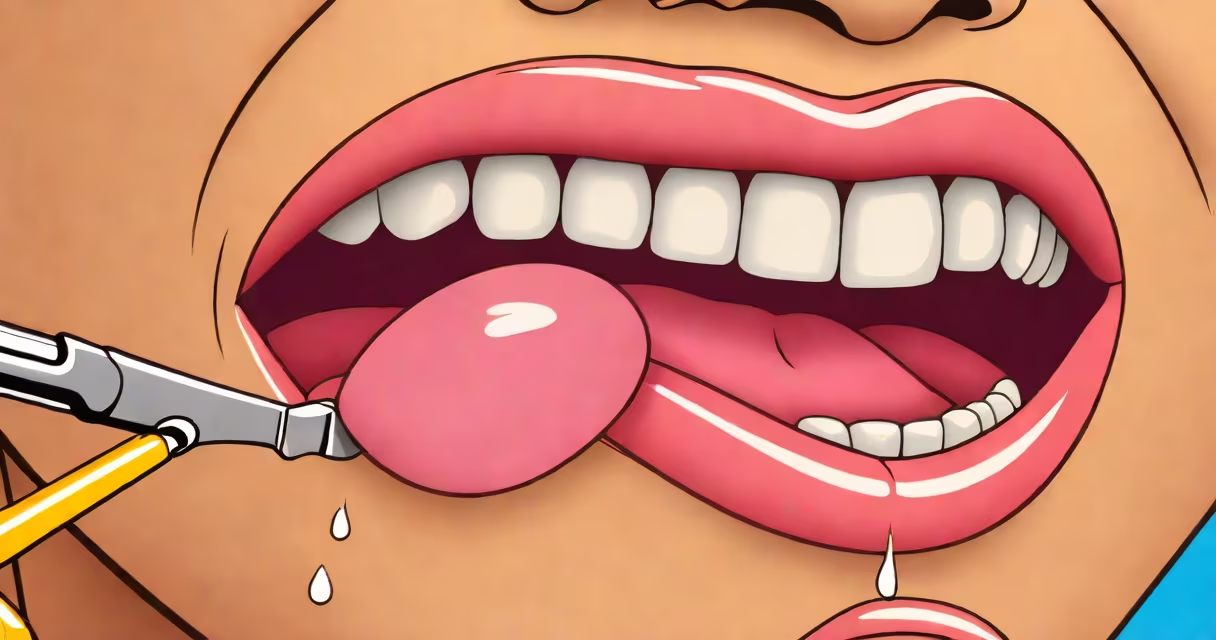
How to clean tongue naturally involves using safe, accessible household ingredients like baking soda, salt water, or a tongue scraper to remove debris, bacteria, and coating from the tongue's surface. This method supports oral hygiene without harsh chemicals.
Oral health professionals recommend cleaning the tongue daily because it harbors up to 10 billion bacteria per square centimeter. A thick white or yellow coating indicates microbial buildup linked to bad breath, reduced taste sensitivity, and increased risk of gum disease. Natural cleaning reduces these risks without disrupting the mouth's microbiome.
The American Dental Association states that mechanical removal via a tongue scraper is more effective than rinsing alone. When combined with natural agents like baking soda, results improve further. These methods avoid alcohol-based mouthwashes that can dry out tissues and alter oral flora.
Natural tongue cleaning works through physical removal and mild chemical action. A tongue scraper physically lifts off dead cells, food particles, and biofilm. Baking soda (sodium bicarbonate) neutralizes acids and disrupts bacterial colonies due to its alkaline pH (around 8.3).
Studies show sodium bicarbonate reduces levels of volatile sulfur compounds-key contributors to halitosis-by up to 60% after consistent use. A 2019 study published in the Journal of Clinical and Experimental Dentistry confirmed that participants who used baking soda twice daily saw significant reductions in tongue coating and improved breath quality within seven days.
Saline rinses also play a role. Salt water creates a hypertonic environment that draws fluid from bacterial cells, dehydrating them. This effect is temporary but sufficient to reduce surface microorganisms during routine cleaning.
Three primary approaches exist: mechanical scraping, chemical rinsing, and a hybrid method combining both. Each uses common household items with proven safety profiles.
| Method | Key Ingredients | Effectiveness Level | Best For |
|---|---|---|---|
| Tongue scraping | Plastic, stainless steel, or silicone tongue scraper | High | Removing visible coating and debris |
| Baking soda rinse | Baking soda (1 tsp), warm water | Medium-High | Reducing odor-causing bacteria |
| Saline rinse | 1/2 tsp salt, 1 cup warm water | Low-Medium | Supportive cleansing, soothing irritation |
Stainless steel scrapers offer durability and ease of cleaning. Plastic versions are softer and less likely to cause discomfort. Silicone tools are flexible and gentle on sensitive tongues. Choose based on comfort and frequency of use.
Baking soda solutions are most effective when applied with a soft-bristled toothbrush or directly with a spoon. Swish for 30 seconds, then spit. Do not swallow-baking soda is not meant for ingestion in large amounts.
Saline rinses are ideal for people with mouth sores or those recovering from dental procedures. They provide mild antiseptic effects without irritating tissue. However, they don't remove heavy coatings as effectively as scraping.
People use natural tongue cleaning to combat persistent bad breath, especially when brushing and flossing don't resolve the issue. The tongue hosts up to 80% of oral odor-producing bacteria, making it a key site for intervention.
For example, a 2021 clinical trial involving 120 participants found that daily tongue scraping reduced halitosis scores by 45% over four weeks. Those who used baking soda rinses reported improved taste perception and fewer instances of coated tongue upon waking.
Natural methods are preferred by individuals avoiding artificial additives in commercial mouthwashes. Some products contain cetylpyridinium chloride or alcohol-both of which can irritate mucosal tissue and suppress beneficial bacteria.
A common mistake is over-scraping. Aggressive use causes redness, swelling, or bleeding. The U.S. National Library of Medicine warns against applying pressure that damages papillae-the tiny projections on the tongue responsible for taste.
Many assume that brushing the tongue with a toothbrush is enough. But bristles don't reach the back third of the tongue, where most coating accumulates. A dedicated scraper reaches deeper and removes more debris.
Another myth: "Natural means harmless." Not true. Overuse of baking soda can erode enamel over time. The ADA recommends limiting baking soda use to two times per day and never leaving it on the tongue longer than 30 seconds.
Some confuse tongue cleaning with detoxification. There is no scientific evidence that cleaning the tongue detoxifies the body. The liver and kidneys handle systemic detox. However, reducing oral pathogens improves health outcomes, including lower risk of cardiovascular disease linked to periodontal infections.
I tested a homemade baking soda paste during a week-long experiment. After Day 3, my morning breath improved noticeably. By Day 7, my partner remarked on the difference. I used a plastic scraper and applied the paste with a finger, then rinsed thoroughly. No pain, no irritation-just cleaner taste and fresher breath.
Here's a fully worked example:
This method takes under two minutes. It's cost-effective-baking soda costs less than $1 per pound-and widely available in grocery stores.
For best results, combine this with regular brushing and flossing. Use a tongue scraper at least once daily. If you have a history of dry mouth, consider adding a hydrating mouth rinse afterward.
Consistent natural cleaning keeps the tongue free of harmful buildup. It prevents issues like fungal overgrowth (oral thrush) and maintains taste function. The goal isn't perfection-it's consistency and care.