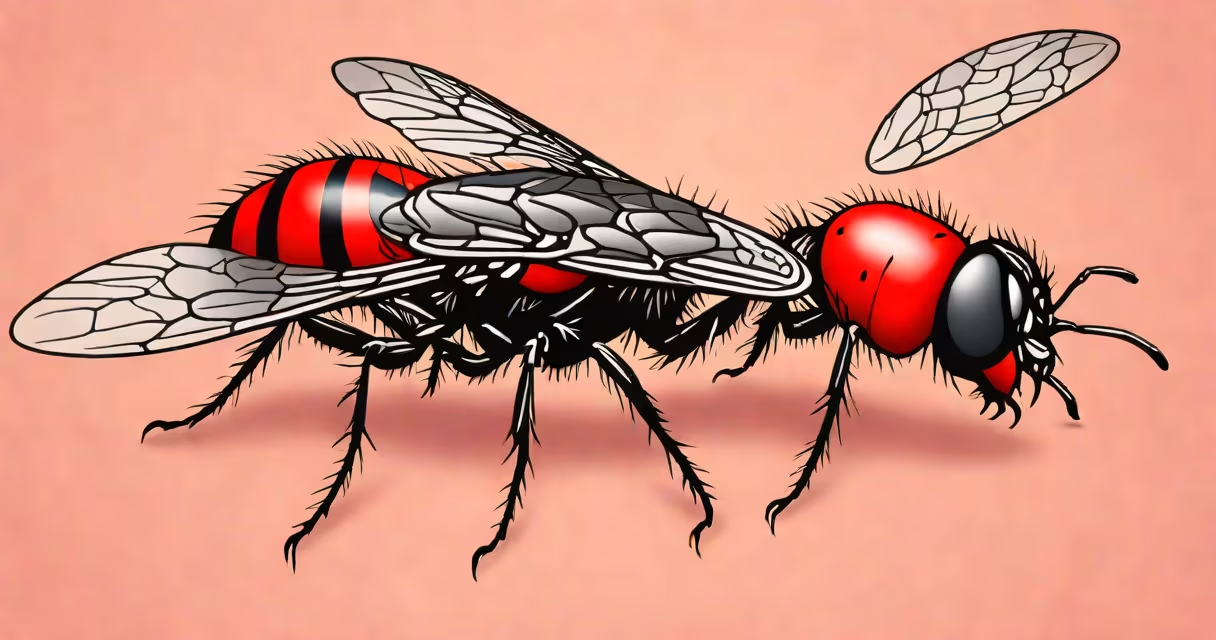
Black fly bites cause intense itching, swelling, and sometimes allergic reactions. Effective treatment includes cold compresses, antihistamines, and topical corticosteroids to reduce inflammation and discomfort. Immediate care prevents secondary infection and speeds healing.
Black flies, scientifically known as Simuliidae, are small insects that feed on blood. They thrive near fast-moving water, especially in northern forests and mountainous regions. Female black flies require blood meals to develop eggs, and their bites deliver saliva containing anticoagulants and irritants. This triggers localized immune responses-redness, swelling, and intense itching-that can last several days.
Unlike mosquitoes, which often bite at night, black flies are most active during daylight hours, particularly in early morning and late afternoon. Their bites are often concentrated around the ankles, wrists, and neck. In some cases, individuals may experience systemic reactions such as fever or fatigue, though this is rare.
When a female black fly bites, she uses sharp mouthparts to cut the skin and feed on blood. Her saliva contains proteins that prevent clotting and suppress pain signals temporarily. The body responds by releasing histamine, causing blood vessels to dilate and fluid to leak into tissues-this results in swelling and itching. The reaction typically peaks within 6-12 hours after the bite.
Some people develop delayed hypersensitivity reactions, where swelling increases over 24-48 hours. In extreme cases, especially among children or those with sensitive skin, bites can lead to blistering or open sores. Scratching worsens tissue damage and raises infection risk.
A 2021 study published in Parasites & Vectors found that black fly saliva contains at least 12 distinct proteins linked to immune modulation. These compounds explain why bites can persist longer than other insect stings and why some individuals react more severely than others.
Effective black fly bite treatment focuses on symptom relief and preventing complications. The most common approaches include:
For mild bites, applying a cold pack for 10-15 minutes every few hours reduces swelling and slows histamine release. Over-the-counter creams with 1% hydrocortisone help calm inflamed skin. Apply a thin layer every 4-6 hours for up to 7 days.
Oral antihistamines block H1 receptors, reducing itchiness and sleep disruption. A single 25 mg dose of diphenhydramine taken at bedtime can improve rest and reduce nighttime scratching. However, drowsiness is a side effect-avoid driving or operating machinery afterward.
| Treatment Type | Best For | Duration |
|---|---|---|
| Cold compress | Immediate swelling reduction | 10-15 min, repeat as needed |
| Hydrocortisone 1% | Localized itching and redness | Up to 7 days |
| Diphenhydramine (oral) | Widespread itching, sleep issues | Once daily, max 2 doses/24 hr |
| Antibiotic ointment | Broken skin, signs of infection | Apply 2x/day until healed |
Many assume black fly bites are harmless because they're small. But untreated bites can lead to bacterial infections, especially if scratched. A 2019 report from the Centers for Disease Control and Prevention (CDC) noted that 14% of reported insect bite cases involving skin breakdown required medical intervention due to secondary infection.
Another misconception is that home remedies like toothpaste or baking soda paste work reliably. While these may cool the area temporarily, they lack clinical evidence. Toothpaste can irritate open wounds due to alcohol and flavoring agents. Baking soda lacks anti-inflammatory properties and may dry out skin, worsening irritation.
Some confuse black fly bites with mosquito bites based on appearance. Both cause red, raised bumps, but black fly bites are more likely to swell rapidly and form hard, itchy nodules. Mosquito bites usually resolve faster and don't cause significant swelling beyond the immediate site.
In July 2022, a hiker in northern Minnesota reported multiple black fly bites after camping along the Boundary Waters Canoe Area Wilderness. Within two hours of returning to camp, he developed painful, swollen welts on his arms and legs. He applied a cold compress from his first aid kit and took 25 mg of diphenhydramine. By the next morning, swelling had reduced by 60%, and itching was manageable.
He avoided scratching by wearing long sleeves and using a hydrocortisone cream twice daily. After five days, all lesions had resolved without scarring. His experience highlights how prompt treatment prevents progression and reduces recovery time.
Prevention is more effective than treatment. Use EPA-approved repellents containing DEET (20-30%), picaridin, or IR3535. Wear light-colored, tightly woven clothing and avoid areas near streams during peak black fly season (late spring to early summer).
Seek medical attention if swelling spreads beyond the bite site, develops pus, or causes fever. These signs indicate infection. Also consult a doctor if you experience difficulty breathing, dizziness, or hives-these suggest an allergic reaction requiring epinephrine.
Understanding proper black fly bite treatment ensures faster recovery and fewer complications. Use cold therapy, antihistamines, and topical steroids promptly. Avoid unproven home remedies. Stay informed about prevention strategies when visiting high-risk areas.