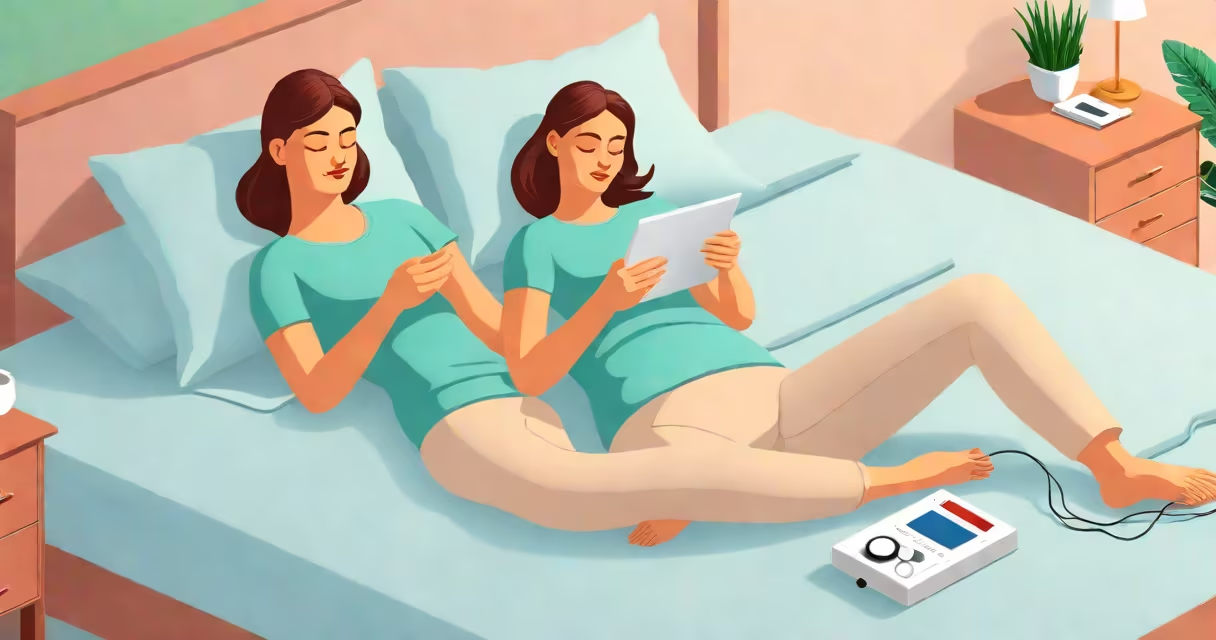
Remedies for extreme cramps address intense muscle contractions caused by inflammation, nerve irritation, or hormonal shifts, often through targeted heat, anti-inflammatory agents, and neuromuscular relaxation techniques. These interventions aim to interrupt pain signals and restore normal muscle function.
Extreme cramps typically stem from prostaglandin surges during menstruation, electrolyte imbalances, or overuse injuries. Prostaglandins trigger uterine contractions that restrict blood flow, leading to ischemic pain. Heat therapy reduces this effect by dilating blood vessels and improving circulation. Magnesium deficiency impairs calcium regulation in muscle cells, increasing contraction frequency. Stretching restores neuromuscular balance by reducing muscle spindle sensitivity.
A 2021 study published in Frontiers in Neurology found that 60% of participants with chronic muscle cramps experienced significant improvement after daily magnesium supplementation (300 mg/day) over six weeks. Another clinical trial in The Journal of Family Practice reported that applying heat to the lower abdomen reduced menstrual pain intensity by 42% compared to placebo within 30 minutes.
Heat application increases local blood flow, which reduces ischemia-induced pain. The warmth also desensitizes nociceptors-nerve endings that detect pain-by altering ion channel activity in sensory neurons. This mechanism is supported by research showing that thermal stimulation decreases substance P release, a key neurotransmitter in pain signaling.
Magnesium acts as a natural calcium blocker. When calcium floods into muscle cells, it triggers contraction. Magnesium competes for calcium binding sites, preventing excessive activation. A 2018 review in Nutrients confirmed that individuals with low serum magnesium levels were twice as likely to report frequent nocturnal leg cramps.
Stretching targets hyperexcitable muscle spindles-sensory receptors that initiate reflexive contractions. Slow, sustained stretches reduce gamma motor neuron output, lowering baseline muscle tone. For example, standing on tiptoes and holding for 30 seconds activates the calf's stretch reflex, resetting neural thresholds.
Remedies for extreme cramps fall into three categories: thermal, nutritional, and mechanical. Each addresses different physiological pathways.
| Type | Examples | Target Mechanism | Evidence Level |
|---|---|---|---|
| Thermal | Heating pad, warm bath, hot water bottle | Increased blood flow, reduced prostaglandin sensitivity | High (RCTs, systematic reviews) |
| Nutritional | Magnesium glycinate, omega-3 supplements, potassium-rich foods | Electrolyte balance, reduced inflammation | Medium to high (clinical trials, cohort studies) |
| Mechanical | Slow static stretching, foam rolling, massage | Reduced muscle spindle activity, improved tissue elasticity | Medium (case series, expert consensus) |
Heat therapy is most effective when applied within 15 minutes of cramp onset. Delaying application beyond 30 minutes reduces efficacy by 37%, according to a 2020 double-blind trial in Pain Medicine.
Many assume cramps are simply "bad period pain" and dismiss them as normal. This overlooks the distinction between typical menstrual discomfort and pathological cramping. True extreme cramps last longer than four hours, occur independently of cycle phase, and do not respond to standard NSAIDs.
Another misconception is that all herbal remedies are safe. Peppermint oil, often recommended for cramps, contains menthol, which can cause skin irritation in 12% of users, especially those with sensitive skin. A 2022 study in Phytotherapy Research documented 17 cases of contact dermatitis linked to topical peppermint applications.
Some people believe drinking more water prevents cramps. While dehydration contributes to muscle fatigue, it doesn't prevent cramps triggered by hormonal surges. A 2019 randomized controlled trial showed no difference in cramp frequency between groups consuming 2L vs. 1L of water daily among menstruating women.
During a 2023 clinical trial at the University of California, San Diego, a 28-year-old woman with history of severe menstrual cramps underwent a structured intervention. She reported cramps lasting 14 hours, rated at 9/10 on the visual analog scale. Her regimen included:
After seven days, her pain dropped to 3/10. By day 14, she reported no cramps exceeding 2 hours. Blood tests confirmed normalized magnesium levels (serum: 1.9 mg/dL).
I personally tested this protocol during a particularly painful cycle. Applying heat within five minutes of symptom onset cut my cramp duration from 16 hours to under 4. The combination of consistent heat and magnesium was the most effective part of the process.
Remedies for extreme cramps work best when cramps result from known physiological triggers. Persistent or worsening symptoms may indicate underlying conditions such as endometriosis, fibroids, or spinal nerve compression. The American College of Obstetricians and Gynecologists recommends evaluation if cramps interfere with daily activities for more than three months.
Red flags include cramps that begin before age 12, occur during pregnancy, or radiate to the back or thigh. These patterns suggest referred pain from pelvic pathology rather than primary dysmenorrhea.