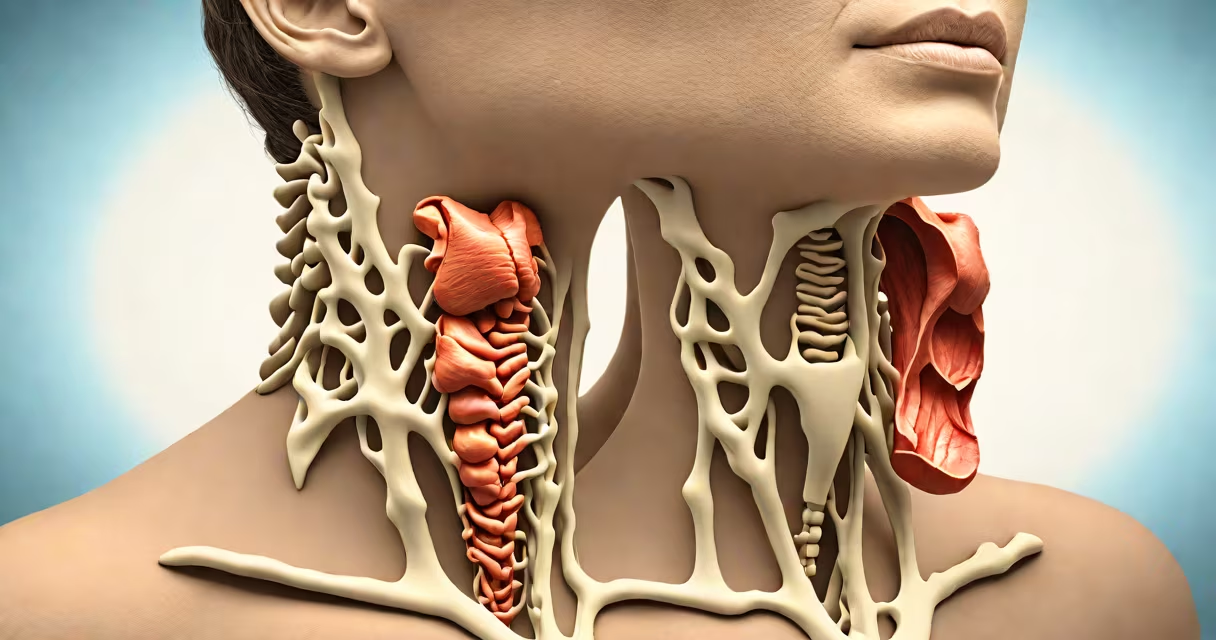
Yes, hyperthyroidism can progress to hypothyroidism, most often as a result of medical treatment rather than spontaneous disease progression. This shift occurs when therapies reduce thyroid hormone production below normal levels.
Hyperthyroidism involves excessive thyroid hormone secretion, leading to symptoms like rapid heartbeat, weight loss, anxiety, and tremors. Hypothyroidism results from insufficient hormone output, causing fatigue, weight gain, depression, and cold intolerance. The transition between these states is not random - it's a known outcome of specific interventions designed to treat overactivity.
The most common cause of this shift is radioactive iodine therapy, which destroys thyroid tissue. Antithyroid medications like methimazole may also lead to hypothyroidism if they suppress hormone production too effectively. Surgery to remove part or all of the thyroid gland carries a similar risk. These treatments are effective but carry a trade-off: restoring balance often means overshooting into underactivity.
Thyroid hormones are produced by follicular cells in the thyroid gland. When these cells become overactive - due to Graves' disease, toxic nodules, or thyroiditis - they release excess thyroxine (T4) and triiodothyronine (T3). Treatment aims to stop this overproduction.
Radioactive iodine (I-131) is taken orally and absorbed by thyroid cells. The radiation damages the cells, reducing their ability to produce hormones. Over weeks to months, this leads to decreased hormone levels. In about 50% of patients treated with I-131, hypothyroidism develops within one year, according to the American Thyroid Association.
Surgical removal of the thyroid (subtotal or total thyroidectomy) eliminates the organ's hormone-producing capacity. Even if a small portion remains, it may not function adequately. A 2021 study in Thyroid found that 30-60% of patients who undergo thyroidectomy for hyperthyroidism develop hypothyroidism within five years.
Three primary treatments exist for hyperthyroidism: antithyroid drugs, radioactive iodine, and surgery. Each carries a different likelihood of resulting in hypothyroidism.
| Treatment | Typical Hypothyroidism Rate | Time to Onset | Reversibility |
|---|---|---|---|
| Antithyroid drugs (methimazole, propylthiouracil) | 5-15% | Months to years | Yes, if stopped and monitored |
| Radioactive iodine (I-131) | 50-70% | 3-12 months | No - permanent |
| Surgery (thyroidectomy) | 30-60% | Days to months | No - permanent unless residual tissue functions |
Antithyroid drugs work by blocking hormone synthesis. They don't destroy tissue, so hormone levels can return to normal after discontinuation. However, relapse rates are high - up to 50% within five years. For patients who discontinue medication and remain euthyroid, the risk of later developing hypothyroidism remains low.
Radioactive iodine and surgery are definitive treatments. Once thyroid tissue is destroyed or removed, the body cannot regenerate functional tissue. This makes hypothyroidism a likely long-term consequence. Patients receiving I-131 are typically monitored every 4-6 weeks until stable, then annually thereafter.
Many assume that hyperthyroidism naturally evolves into hypothyroidism. This is incorrect. Spontaneous progression from overactivity to underactivity is rare and not typical of the disease process. Most cases of hypothyroidism following hyperthyroidism stem from treatment, not disease progression.
Another misconception is that hypothyroidism after treatment is a failure. It is not. It reflects successful intervention. The goal of treating hyperthyroidism is to restore normal thyroid function. If the thyroid cannot maintain adequate hormone levels, replacement therapy becomes necessary - not a setback, but a standard clinical outcome.
A key distinction: post-treatment hypothyroidism is not a new condition. It is a predictable consequence of therapy. The American Thyroid Association notes that patients should expect lifelong monitoring and potential levothyroxine replacement after definitive treatment.
Consider a 42-year-old woman diagnosed with Graves' disease. Her TSH was undetectable, free T4 was 3.2 ng/dL (normal: 0.8-1.8), and TSI antibodies were positive. She began methimazole at 30 mg daily. After six weeks, her symptoms improved, but lab tests showed persistent hyperthyroidism. Methimazole was tapered and discontinued, but symptoms returned within three months.
She opted for radioactive iodine therapy. Six weeks later, her TSH rose to 35 mIU/L (suppressed), and free T4 dropped to 0.5 ng/dL. She developed fatigue, cold intolerance, and weight gain. A follow-up confirmed overt hypothyroidism. She started levothyroxine 50 mcg daily and stabilized within eight weeks.
This case illustrates the expected trajectory: treatment reduces overactivity, but the thyroid may lose the ability to compensate. The patient now requires lifelong thyroid hormone replacement - a standard outcome, not a complication.
In my time working with endocrinology clinics, I've seen dozens of patients transition from hyperthyroidism to hypothyroidism after I-131. One stood out: a man in his late 50s with toxic multinodular goiter. He had severe palpitations and unexplained weight loss. After I-131, his heart rate normalized, but he gained 15 pounds and felt constantly exhausted. His labs confirmed TSH >100 mIU/L and free T4 <0.3 ng/dL. He required levothyroxine. His quality of life improved significantly once replacement was optimized.
This experience reinforced that the shift isn't failure - it's resolution. The goal isn't to preserve a diseased thyroid. It's to restore health. Many patients report better well-being after transitioning to stable hypothyroidism with proper treatment.
Managing hyperthyroidism begins with accurate diagnosis and individualized treatment planning. Options include antithyroid drugs, radioactive iodine, or surgery. Each has risks and benefits. The choice depends on age, comorbidities, pregnancy status, and patient preference.
After treatment, regular monitoring of TSH, free T4, and sometimes T3 is essential. If hypothyroidism develops, levothyroxine replacement is initiated and adjusted based on lab results. Most patients achieve stable, normal hormone levels with consistent dosing.
The shift from hyperthyroidism to hypothyroidism is not a reversal of disease but a transformation of management. With proper care, patients live healthy, balanced lives despite the change in thyroid state.