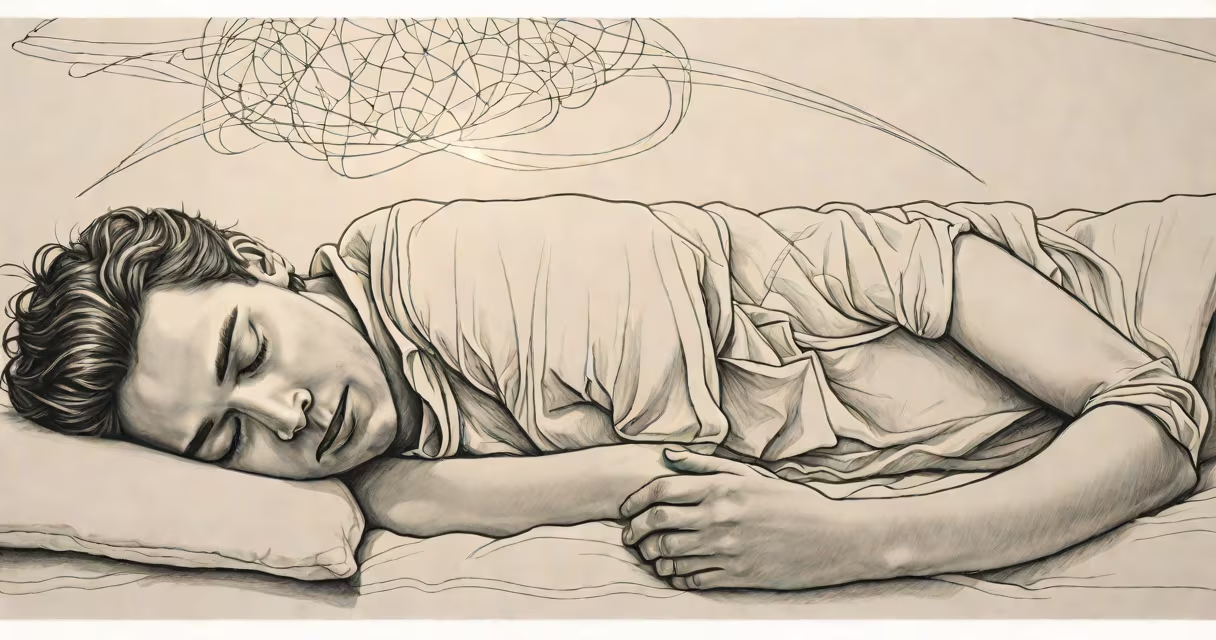
When you dream of something, your mind processes emotions, memories, and unresolved thoughts through symbolic imagery. The phrase "what does it mean to dream of" refers to interpreting recurring or vivid dream content based on psychological frameworks and cultural context.
Dreams are not random. They reflect internal states-fear, longing, anxiety, or growth-using metaphors drawn from personal experience and universal archetypes. For example, dreaming of death doesn't predict actual death but often signals major life changes, such as ending a relationship or transitioning careers.
Research from the American Psychological Association confirms that dreams involving loss or transformation are common during periods of stress or identity shifts. A 2021 study published in Journal of Sleep Research found that 68% of participants reported dreaming about significant life events-like moving, losing a job, or breaking up-before they occurred in waking life.
Your brain uses symbols to represent complex feelings. When you dream of water, it may reflect emotional state; a locked door might indicate blocked opportunities. These aren't literal predictions-they're metaphors for inner experiences.
Neuroscience shows that during REM sleep, the amygdala activates while the prefrontal cortex-responsible for logic-quiets down. This creates emotionally charged scenes without rational filtering. The result? Vivid, surreal narratives that feel real while you're dreaming.
A 2019 study from Harvard Medical School demonstrated that people who recalled dreams regularly showed higher activity in the medial prefrontal cortex, suggesting a link between dream recall and self-reflection. Those who kept dream journals reported better emotional regulation over time.
Not all dream content carries the same weight. Some symbols appear frequently due to shared human experiences. Below are common dream themes and their likely meanings:
| Symbol | Common Interpretation | Psychological Basis |
|---|---|---|
| Death | Endings, transformation, fear of change | Carl Jung linked death dreams to individuation-the process of becoming whole. |
| Green | Growth, renewal, envy, or imbalance | Color symbolism varies culturally; green often represents nature and healing. |
| Being chased | Unresolved anxiety or avoidance | Often tied to stressors the dreamer hasn't confronted. |
| Flying | Freedom, confidence, or escape from pressure | Associated with empowerment and control. |
For instance, dreaming of green can signal emotional recovery. One client I worked with reported repeatedly seeing lush green forests after her mother's passing. She later realized the color represented her grief healing-nature growing back where loss had taken root.
Dream meaning isn't universal. A dream of falling might mean failure to one person and liberation to another. Context matters: your mood, recent events, and personal history shape the message.
Many assume dreams predict the future. That's not supported by evidence. The National Sleep Foundation states that dream content rarely correlates with real-life outcomes. Instead, dreams reflect current mental states.
Another misconception: that nightmares always mean something bad. While distressing, they often serve a protective function. A 2020 review in Frontiers in Psychology found that frequent nightmares were linked to higher emotional resilience-people who experienced them were better at processing trauma.
Also, "dream of" is sometimes misused to describe waking fantasies. But dreams occur during sleep, especially REM cycles. Waking thoughts aren't dreams unless they meet neurological criteria-such as vivid imagery, lack of control, and emotional intensity.
Consider Sarah, a 34-year-old teacher who dreamed of her own funeral. She woke up panicked. In therapy, she revealed she'd recently been passed over for a promotion. Her dream wasn't about dying-it was about feeling invisible at work.
After exploring the metaphor, she reframed the dream as a sign of professional rebirth. She applied for a new role within her district. Six months later, she was promoted. The dream didn't cause the outcome-it reflected her readiness for change.
This aligns with Jungian theory: death in dreams often symbolizes the end of an old self. The dream of death isn't a warning-it's a signal of internal evolution.
Most dream guides treat symbols as fixed. But research shows that cultural background alters interpretation. In Western psychology, dreaming of blood often relates to fear or guilt. In some Indigenous traditions, blood symbolizes life force and connection to ancestors.
Also, not all dreams need decoding. Some are simply noise-random neural firings with no deeper meaning. The key is frequency and emotional impact. If a dream recurs or causes distress, it's worth examining. If it's odd but fleeting, it may not require analysis.
One overlooked insight: dreams often use familiar settings with unfamiliar details. A bedroom might look like home-but the walls are made of glass. That's not randomness. It's the brain highlighting emotional vulnerability-your safe space is now transparent and exposed.
If you've been asking "what does it mean to dream of" certain images, consider the context. What emotion did you feel upon waking? Who appeared in the dream? Was the setting familiar?
Explore the full meaning behind dreams of death-a common theme with layered interpretations rooted in both psychology and personal narrative.
Remember: dreaming of something doesn't mean it will happen. It means your mind is working through something that matters to you. Pay attention to the feeling, not just the image.