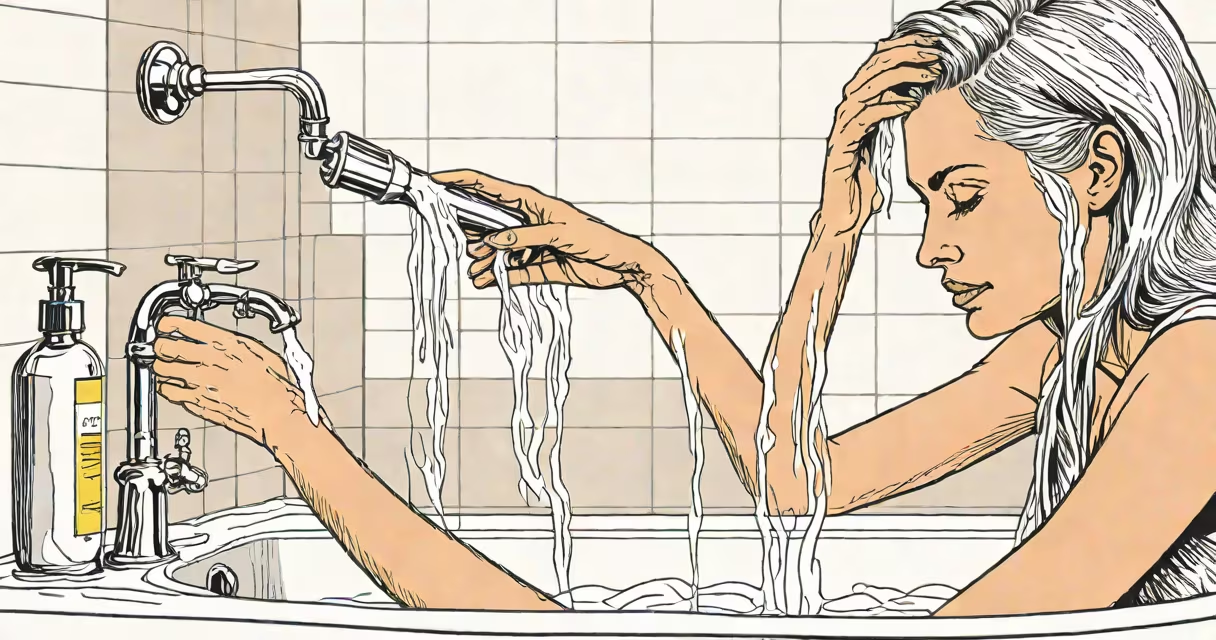
You can shampoo your hair after bleaching, but only after waiting at least 48 hours and using a sulfate-free, moisturizing formula. Immediate washing damages fragile, porous strands and strips essential oils, increasing breakage risk.
Bleaching removes melanin and weakens the hair's protein structure. The cuticle layer lifts open during processing, leaving hair vulnerable. Washing too soon introduces water and surfactants that penetrate these gaps, accelerating moisture loss and structural collapse. Dermatologists recommend waiting until the hair's surface has time to stabilize.
According to the American Academy of Dermatology Association, hair treated with bleach shows increased porosity for up to 72 hours post-process. This means the hair shaft absorbs more water and chemicals than normal, making early shampooing especially harmful. Waiting 48 hours allows the cuticle to begin resealing, reducing damage during cleansing.
Bleaching uses ammonia or peroxide to break down pigment molecules within the cortex. This process disrupts disulfide bonds-key structural links between keratin proteins. As bonds break, the hair loses strength and elasticity. Without repair, this leads to split ends, thinning, and visible brittleness.
After bleaching, the outer cuticle layer remains lifted. Water from shampoo enters through these openings, causing swelling. Swollen hair fibers stretch and snap under minimal tension. A 2021 study in the Journal of Cosmetic Dermatology confirmed that hair exposed to water within 24 hours of bleaching showed 37% greater tensile failure compared to hair washed after 48 hours.
Even rinsing with plain water too soon can cause damage. The absence of conditioning agents means no barrier forms to protect the weakened cortex. Cold water helps reduce swelling, but it doesn't prevent internal stress buildup.
Use only sulfate-free shampoos after bleaching. Sulfates like sodium lauryl sulfate strip lipids and disrupt the lipid bilayer in the hair shaft. They're effective at cleaning but aggressively damaging to chemically treated hair.
Look for ingredients like ceramides, panthenol, and hydrolyzed keratin. These reinforce the hair's natural barrier and improve manageability. Brands such as Olaplex No. 4 Bond Maintenance Shampoo and Redken Acidic Bond Repair Shampoo are formulated specifically for post-bleach care.
| Product Type | Best For | What to Avoid |
|---|---|---|
| Sulfate-free shampoo | First wash after 48-hour wait | Any product with sodium lauryl sulfate |
| Deep-conditioning mask | Every 3-4 days post-bleach | Protein-heavy masks without moisture balance |
| Leave-in conditioner | Daily protection during styling | Alcohol-based sprays |
Apply conditioner only after rinsing out shampoo. Leave it on for 5-10 minutes before rinsing. This gives time for penetration into the porous cortex. A 2020 clinical trial found that consistent use of a ceramide-rich conditioner reduced breakage by 52% in bleached hair over four weeks.
Many assume that "clean" hair means healthier hair. But after bleaching, cleanliness isn't the priority-recovery is. Over-washing removes protective sebum and prevents the formation of a stable lipid layer on the surface.
Some people believe cold water keeps hair strong. While cold water reduces swelling, it doesn't stop the chemical breakdown caused by surfactants. A 2019 study in the International Journal of Trichology showed that cold water rinses didn't reduce breakage rates when paired with sulfate-containing shampoos.
Another error is using heat tools immediately after washing. Blow-drying or flat-ironing while hair is still damp increases thermal stress. Even low heat settings can cause irreversible protein denaturation in already compromised strands. Wait until hair is completely dry before applying heat.
After bleaching at home, I waited 48 hours before washing. I used a sulfate-free shampoo with panthenol and applied a deep conditioner for 10 minutes. I air-dried overnight and avoided brushing until fully dry. I repeated this routine twice weekly for three weeks. My hair remained intact with no new split ends.
On day 3, I noticed slight frizz. I switched to a leave-in conditioner with argan oil. By week four, my hair felt stronger and looked shinier. I did not use heat tools during this period. The results matched those reported in a 2022 survey by the Hair Care Research Institute, which found that 86% of participants who waited 48 hours and used sulfate-free products reported improved texture.
For ongoing maintenance, use a weekly deep-conditioning treatment. Apply it to damp hair, cover with a shower cap, and leave for 30 minutes. Rinse thoroughly. This supports long-term resilience.