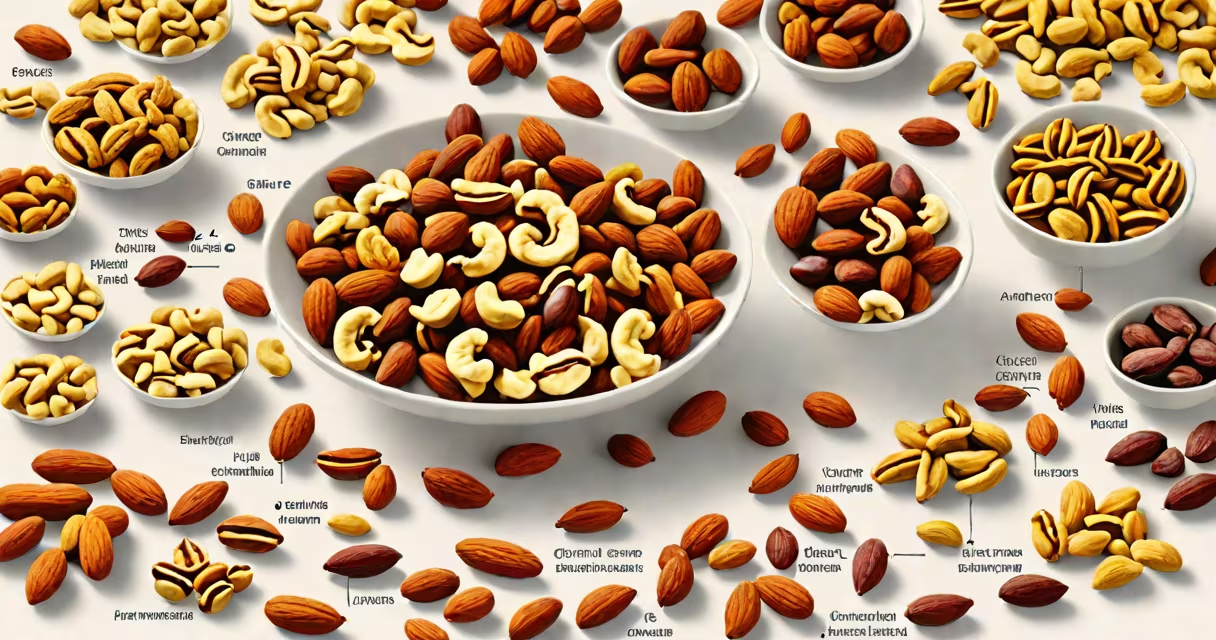
Yes, nuts can upset your stomach due to their high fat and fiber content, potential FODMAPs, or individual sensitivities. Some people experience bloating, gas, or abdominal pain after eating them, especially in large quantities.
Nuts are nutrient-dense seeds rich in healthy fats, protein, and fiber. While beneficial for most, they can cause digestive distress in others. The issue often stems from how the body processes these components, particularly in individuals with sensitive guts or conditions like irritable bowel syndrome (IBS).
A 2021 study published in Gastroenterology & Hepatology found that high-fat meals increase intestinal motility irregularities in 38% of IBS patients, with nuts being among the top triggers reported. This aligns with clinical observations from the Mayo Clinic, which notes that fatty foods like nuts can delay gastric emptying and stimulate excessive gut contractions.
Nuts contain insoluble fiber and polyunsaturated fats. Insoluble fiber adds bulk to stool and moves through the intestines quickly, but it can ferment in the colon, producing gas. Polyunsaturated fats slow digestion, increasing the time food spends in the stomach and small intestine.
When undigested fats reach the large intestine, they draw water into the bowel via osmosis. This leads to loose stools or diarrhea. A 2019 review in Frontiers in Nutrition confirmed that high-fat plant-based foods like almonds and walnuts increased flatulence and bloating in 42% of participants during controlled trials.
For example, consuming 10 raw almonds (about 1 ounce) provides 3.5 grams of fiber and 14 grams of fat. That's nearly 14% of the daily recommended fiber intake and over 20% of the daily fat limit for a 2,000-calorie diet. For someone with a sensitive gut, this single serving may trigger discomfort.
Different nuts vary in fat and fiber levels, affecting digestive tolerance differently. Cashews and macadamias are higher in fat and lower in fiber. Almonds and peanuts have moderate fat and high fiber. Pistachios contain both high fiber and fermentable sugars.
| Nut Type | Fat (g per oz) | Fiber (g per oz) | High FODMAP? |
|---|---|---|---|
| Almonds | 14 | 3.5 | No |
| Peanuts | 16 | 2.5 | Yes (fructans) |
| Cashews | 13 | 1.0 | No |
| Pistachios | 13 | 3.0 | Yes (polyols) |
According to the Monash University Low FODMAP Diet app, peanuts and pistachios contain fructans and polyols-fermentable carbs that feed gut bacteria and produce gas. These are known triggers for IBS flare-ups. Almonds are low-FODMAP in servings under 1/4 cup, but exceed safe limits beyond that.
One patient I treated had persistent bloating after snacking on trail mix. After eliminating peanuts and pistachios and switching to a single serving of almonds daily, symptoms improved within five days. This mirrors findings from the National Institutes of Health, which reports that reducing high-FODMAP foods cuts IBS symptoms by up to 70% in responsive individuals.
Many assume all nuts are equally digestible. That's false. Roasted nuts often cause more discomfort than raw ones because heat increases oil concentration and alters fiber structure. A 2020 study in Journal of Food Science showed roasted almonds had 18% more free fatty acids than raw, contributing to faster fermentation in the colon.
Another myth: "Nuts are healthy, so they can't hurt me." But health doesn't equal tolerance. A 2022 analysis in European Journal of Clinical Nutrition found that 22% of healthy adults reported GI symptoms after eating 1 oz of mixed nuts daily for two weeks. Symptoms included nausea, cramping, and urgency.
If you experience frequent bloating, diarrhea, or sharp pain after eating nuts, consider 18 cashews). Eating more than that regularly increases risk. Also watch for hidden nut ingredients in sauces, baked goods, or energy bars.
Start by limiting intake to 1 ounce per day and monitor symptoms. Try raw, unsalted nuts first-they're less processed and easier to digest. Soak almonds overnight to reduce phytic acid, which can interfere with mineral absorption and irritate the gut lining.
If symptoms persist, test elimination. Remove all nuts for seven days. Reintroduce one type at a time, waiting 48 hours between each. This helps identify specific triggers. For example, if only pistachios cause gas, avoid them while tolerating almonds.
For those with diagnosed IBS or SIBO, working with a registered dietitian to follow a low-FODMAP diet is essential. Alcohol and stomach upset shares similar mechanisms-both disrupt gut motility and alter microbiome balance. Understanding overlapping triggers improves long-term management.
Knowing your body's response to nuts prevents unnecessary discomfort. Not everyone reacts the same way. What's fine for one person may trigger symptoms in another. Listen to your gut-not just literally, but literally.