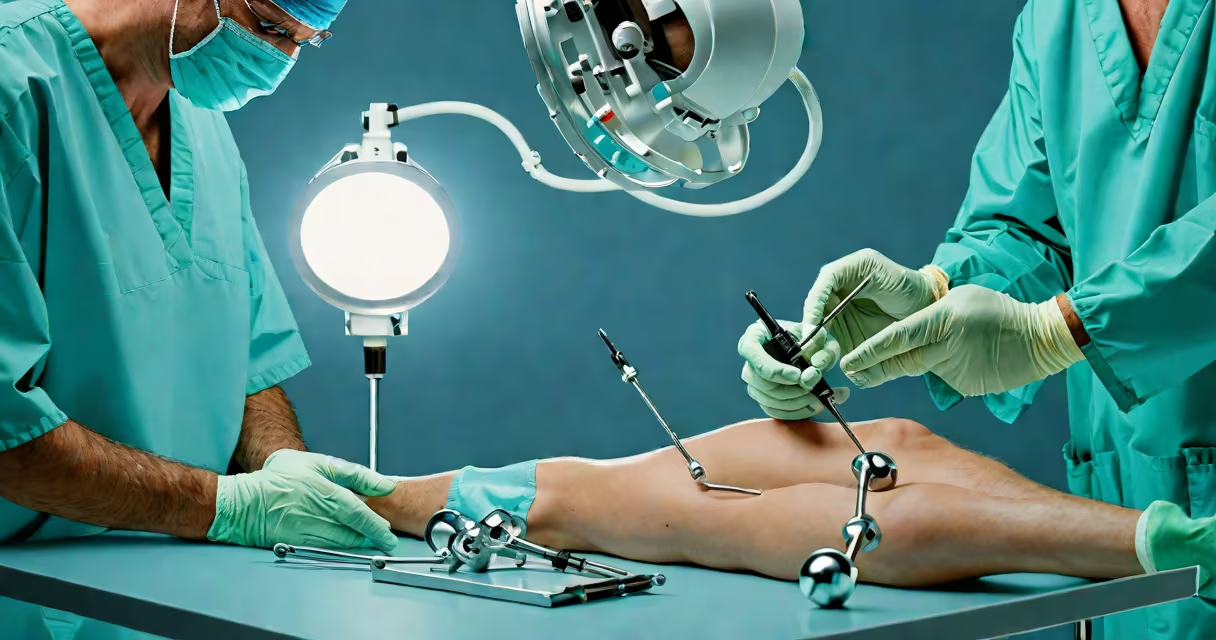
An orthopedic surgeon is a medical doctor who specializes in diagnosing, treating, and preventing disorders of the musculoskeletal system-including bones, joints, ligaments, tendons, and muscles-through both surgical and non-surgical methods.
These physicians undergo extensive training beyond medical school, including a five-year residency in orthopedic surgery and often an additional fellowship in a subspecialty such as sports medicine, spine surgery, or pediatric orthopedics. They treat injuries ranging from fractures and dislocations to chronic conditions like osteoarthritis and spinal deformities.
Unlike general surgeons, who handle many abdominal and thoracic procedures, orthopedic surgeons focus exclusively on movement-related structures. Their work includes joint replacements, fracture repairs, ligament reconstructions, and spinal fusions. According to the American Academy of Orthopaedic Surgeons (AAOS), over 30 million musculoskeletal procedures are performed annually in the U.S., many by orthopedic surgeons.
When a patient presents with persistent pain, limited mobility, or structural damage, an orthopedic surgeon begins with a physical exam and imaging tests-X-rays, MRI scans, or CT scans-to assess the extent of injury or disease. Based on findings, they determine whether conservative care (physical therapy, medications, injections) or surgery is needed.
Surgical interventions vary widely. For example, a total knee replacement involves removing damaged cartilage and bone and replacing them with metal and plastic components. The procedure typically takes 1.5 to 2 hours and requires a hospital stay of 2-3 days. Recovery spans several weeks, with most patients resuming light activities within six weeks.
A real-world example: A 68-year-old woman with severe osteoarthritis in her left hip underwent a total hip arthroplasty. Pre-op imaging showed near-complete loss of joint space. After surgery, she regained the ability to walk without pain and returned to gardening within eight weeks. This outcome aligns with AAOS data showing 90% of hip replacement patients report significant improvement in function and quality of life at two years post-op.
Orthopedic surgeons may further specialize through a one- to two-year fellowship after their core residency. These subspecialties allow deeper expertise in specific areas of the body or condition types.
| Type | Focus Area | Common Procedures |
|---|---|---|
| Spine Surgeon | Vertebrae, discs, spinal nerves | Laminectomy, spinal fusion, disc replacement |
| Hand Surgeon | Wrist, hand, forearm | Carpal tunnel release, tendon repair, fracture fixation |
| Joint Replacement Surgeon | Hip, knee, shoulder | Total joint arthroplasty, partial replacements |
| Foot and Ankle Surgeon | Heel, arch, toes | Bunion correction, Achilles tendon repair, ankle fusion |
| Orthopedic Oncologist | Bone tumors, sarcomas | Tumor resection, limb-sparing surgery |
One non-obvious distinction: not all orthopedic surgeons perform surgery. Some focus entirely on non-operative management, especially in academic or rehabilitation settings. A 2022 study published in *The Journal of Bone and Joint Surgery* found that nearly 40% of orthopedic specialists in large academic centers spend over half their time managing patients with conservative treatments.
Orthopedic surgeons are routinely consulted in trauma centers, outpatient clinics, and specialized orthopedic hospitals. They play a key role in sports medicine, helping athletes return to competition after injuries like ACL tears or rotator cuff ruptures.
For example, a professional football player torn his ACL during a game. An orthopedic surgeon diagnosed the injury via MRI and recommended arthroscopic reconstruction using a hamstring graft. The athlete underwent surgery, completed a 9-month rehab program, and returned to play in the following season. This recovery timeline reflects standard protocols outlined by the AAOS and supported by clinical trials.
They're also essential in geriatric care. As the population ages, demand for joint replacements rises. The Centers for Disease Control and Prevention (CDC) reports that 1 in 5 adults aged 65 and older have arthritis, making orthopedic consultation increasingly common in primary care referrals.
Many people confuse orthopedic surgeons with chiropractors or physical therapists. While all three address musculoskeletal issues, their roles differ sharply. Chiropractors use spinal manipulation and do not perform surgery. Physical therapists rehabilitate movement but cannot prescribe surgery or medications.
Another misconception: orthopedic surgeons only operate. In reality, they manage complex cases over months or years. A patient with degenerative disc disease may see an orthopedic spine surgeon for years before considering fusion surgery. The decision hinges on symptom progression, imaging changes, and response to non-surgical care.
I once observed a clinic visit where a 55-year-old man with chronic lower back pain was evaluated by an orthopedic surgeon. He had tried physical therapy and NSAIDs for 18 months with minimal relief. Imaging revealed a herniated L4-L5 disc compressing a nerve root. After discussing risks and benefits, the surgeon recommended a microdiscectomy. The patient recovered fully within four months. This case illustrates that surgery is not a first-line option-it's reserved for when other treatments fail.
Understanding the orthopedic surgeon definition clarifies their role in healthcare. They are not just "bone doctors" but trained clinicians who balance evidence-based medicine with individual patient needs. Their decisions are guided by clinical guidelines from organizations like the AAOS and the American Board of Orthopaedic Surgery (ABOS).