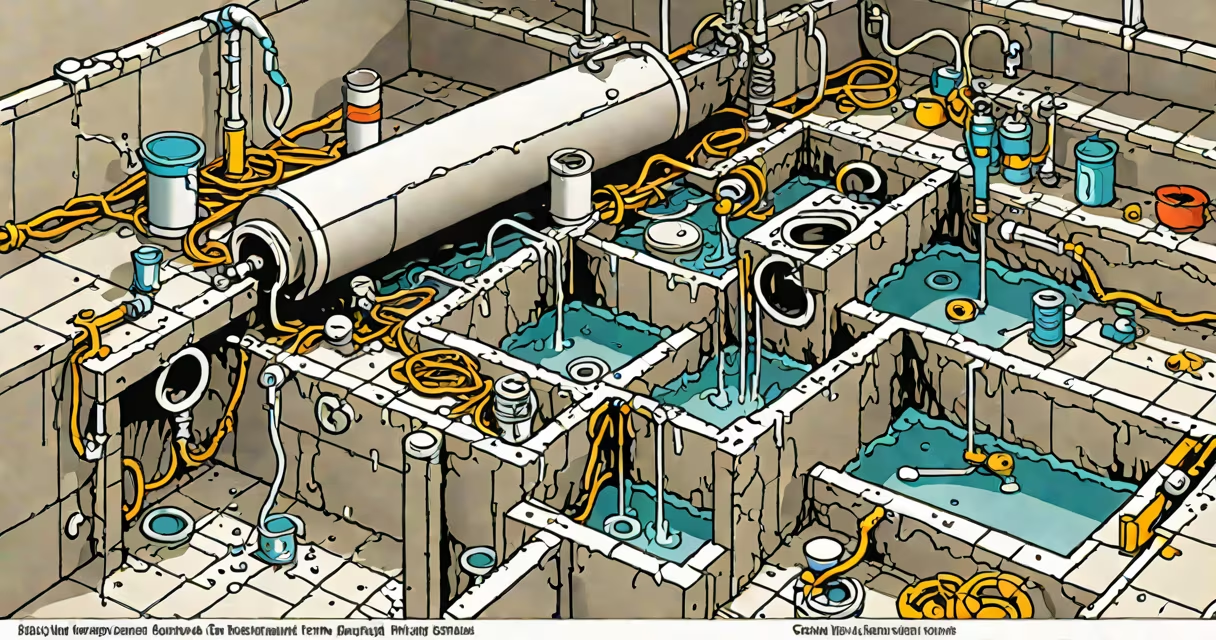
A garbage-like odor in your home typically stems from blocked or dried-out drain traps, decomposing organic matter in pipes, or a compromised sewer vent system. The smell often worsens in bathrooms, kitchens, or basements where wastewater flows through plumbing systems.
Drain traps-U-shaped bends in pipes beneath sinks, showers, and floor drains-hold water to block sewer gases. When water evaporates or flow stops, the trap empties. Without the water seal, methane, hydrogen sulfide, and other foul-smelling gases escape upward. These gases mimic the stench of rotting food or waste, especially in dry or infrequently used fixtures.
According to the Environmental Protection Agency (EPA), poor indoor air quality from plumbing-related odors affects nearly 1 in 6 homes with older or poorly maintained piping. The issue isn't always visible-some smells originate from hidden areas like under floorboards, behind walls, or within ventilation stacks.
When a drain trap dries out, sewer gas travels through the pipe network. Because plumbing vents release pressure and allow gases to exit safely, a clogged or damaged vent can reverse airflow. This pulls odors back into living spaces instead of expelling them outdoors.
For example, if your kitchen sink hasn't been used in weeks, the P-trap may have dried. After running the tap, you might notice a sudden rotten egg or trash-like smell. That's not the sink-it's the gas escaping from the pipe system due to lack of water seal.
Another common trigger: food waste in garbage disposals. Leftover scraps can degrade over time, producing ammonia and sulfur compounds. A 2021 study by the American Society of Plumbing Engineers found that 34% of households with disposal units reported recurring foul odors within six months of installation-often due to improper cleaning or insufficient water flow during use.
Not all garbage-like smells come from the same place. Here's how to distinguish between likely culprits:
| Source | Smell Description | Location | Fix |
|---|---|---|---|
| Dried drain trap | Sharp, rotten, sewer-like | Bathroom sink, shower, basement floor drain | Pour 1-2 quarts of water into the drain |
| Garbage disposal buildup | Decaying food, sour, acidic | Kitchen sink | Run ice cubes and citrus peels through the disposal |
| Sewer line crack | Strong, persistent, sulfur-heavy | Basement, yard near foundation | Call a plumber for camera inspection |
| Blocked vent stack | Musty, damp, moldy | Roof access point, attic | Clean vent opening with hose or brush |
One non-obvious clue: if the smell appears only when you run hot water, the issue is likely in the drain line or disposal. Cold water doesn't dissolve grease as effectively, so residue builds faster. Hot water can temporarily mask the odor by releasing trapped gases-but the problem remains.
Many confuse sewer-like odors with mold, mildew, or spoiled food. But the chemical profiles differ. Hydrogen sulfide (H₂S)-responsible for the "rotten egg" smell-is produced by bacteria breaking down sulfur-rich materials in drains. Ammonia, another common odorant, comes from urine or decaying proteins and smells sharper, almost chemical.
I once encountered a homeowner who believed their basement smelled like garbage. After checking all drains and vents, we discovered a small rodent had died inside a wall cavity. The odor was not from plumbing but from decomposition. Removing the animal and cleaning the area eliminated the smell. This case highlights that not all foul odors originate in pipes-even if they feel like it.
Another frequent mix-up: confusing a garbage smell with a failed septic system. Septic backups produce a thick, earthy stench and may show signs of slow drainage or gurgling sounds. If your toilet flushes slowly or you see dark liquid backing up, the issue is deeper than a dry trap. Check your septic tank level or consult a licensed contractor.
Start with the simplest solution: pour 1.5 gallons of clean water into every drain in your home-especially those not used daily. This restores the water seal in P-traps and blocks gas entry. Do this even if the fixture seems clear.
If the smell persists, try a natural drain cleaner: ½ cup baking soda followed by 1 cup white vinegar. Let it sit for 30 minutes, then flush with hot water. This combination breaks down organic buildup without damaging pipes. Avoid chemical drain cleaners-they can corrode pipes and create toxic fumes when mixed with waste.
For kitchen sinks, run the disposal with cold water and a few ice cubes and lemon rinds. The abrasion cleans blades, while the citrus neutralizes odors. Clean the rubber splash guard regularly-food particles accumulate here and cause decay.
If none of these steps work, suspect a blocked vent or cracked sewer line. Use a flashlight to inspect the roof vent. If it's covered in leaves or bird nests, clear the obstruction. If the vent is clear but the smell continues, schedule a video inspection of your main sewer line. The National Association of Sewer Service Companies reports that 89% of sewer line issues are caught early when homeowners perform regular visual checks.
When in doubt, don't ignore the smell. A persistent garbage odor may indicate a health hazard. According to the Centers for Disease Control and Prevention (CDC), prolonged exposure to hydrogen sulfide above 10 parts per million can cause headaches, nausea, and respiratory irritation.
Understanding why your house smells like garbage begins with identifying the source-not guessing. Most cases resolve with basic maintenance. But when the smell lingers, it's time to act before the problem spreads or poses health risks.