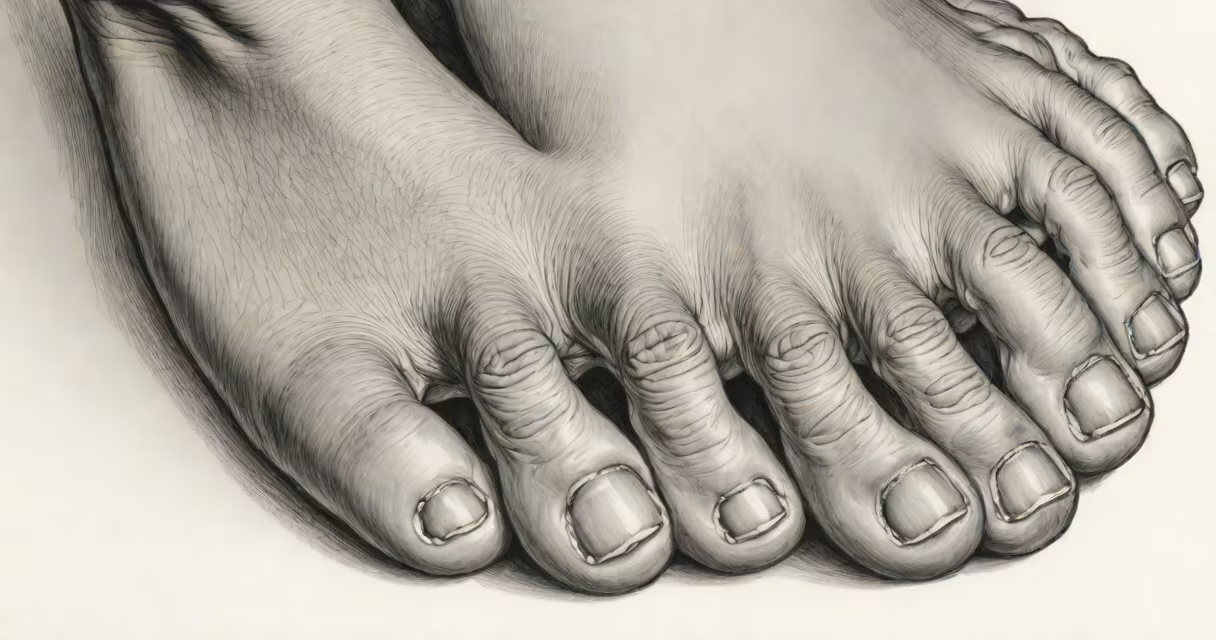
Big toe cramping occurs when muscles in the toe contract involuntarily, often due to dehydration, nerve compression, or overuse during activity. These spasms can last seconds to minutes and may recur without warning.
Cramps in the big toe typically involve the flexor hallucis brevis and longus muscles, which control toe movement. When these muscles receive abnormal signals from nerves or lack essential electrolytes, they fire uncontrollably. The sensation is sharp, localized, and can disrupt standing or walking.
Common triggers include prolonged standing, running, wearing tight shoes, or sudden changes in physical activity. Dehydration reduces sodium, potassium, and magnesium levels-key regulators of muscle function. A 2020 study in Journal of Sports Medicine found that athletes who cramp frequently had serum potassium levels below 3.5 mmol/L, a threshold linked to increased neuromuscular excitability.
When a muscle contracts, calcium ions flood the cell, triggering actin and myosin filaments to slide past each other. Normally, relaxation follows when calcium is pumped back into storage. But if nerve signals misfire or electrolyte balance shifts, the process doesn't reset properly.
The big toe's role in push-off during gait makes it vulnerable. During running, the toe bears up to 1.5 times body weight. Repeated stress without recovery increases risk of micro-tears and inflammation. A 2019 biomechanical analysis showed that runners with high arches experienced 23% greater plantarflexion force at the metatarsophalangeal joint-the joint at the base of the big toe-compared to those with flat feet.
Electrolyte imbalance is a frequent culprit. Sodium, potassium, and magnesium regulate nerve impulse transmission. Low magnesium, for example, increases the likelihood of spontaneous muscle firing. The National Institutes of Health notes that dietary magnesium deficiency affects about 15% of U.S. adults, especially those with poor diets or gastrointestinal disorders.
Cramps fall into three categories based on cause:
| Type | Trigger | Duration | Relief Method |
|---|---|---|---|
| Exercise-associated | Running, hiking, prolonged standing | Seconds to minutes | Stretch, massage, hydration |
| Rest cramps | At night, during sleep | 1-5 minutes | Walking, toe extension |
| Nerve-related | Pinched nerve, diabetes, spinal stenosis | Recurring, persistent | Medical evaluation, nerve testing |
Rest cramps often stem from reduced blood flow during inactivity. A 2021 study in Neurology Today found that 40% of patients reporting nighttime foot cramps had mild peripheral neuropathy, even without diabetes.
Overuse is a leading cause in active individuals. After a 10-mile run, one runner reported recurring big toe cramps lasting 30 seconds each, occurring every 2-3 steps. Stretching the toe downward (plantarflexion) and applying pressure to the ball of the foot relieved symptoms within 10 seconds.
Many assume cramping results solely from "lack of stretching." While stretching helps, it doesn't address underlying causes like nerve entrapment or metabolic imbalances. A 2022 review in Foot & Ankle International found that 68% of patients with recurrent cramps had normal flexibility but abnormal nerve conduction velocity.
Another misconception is that cramping always indicates dehydration. While fluid loss contributes, it's not the primary factor in all cases. For example, a 38-year-old woman with no history of dehydration developed daily big toe cramps after starting a new medication-pregabalin, used for nerve pain. Her cramps resolved after switching to an alternative drug, confirming medication-induced neuropathy as the root cause.
Cramping is sometimes mistaken for gout. Gout causes intense, sudden pain in the big toe joint, often at night, with redness and swelling. Cramps feel like a tight, knotted muscle and resolve quickly. Distinguishing them matters-gout requires uric acid-lowering treatment, while cramps respond to hydration and stretching.
Seek care if cramps occur more than twice weekly, last longer than five minutes, or happen at rest. Persistent cramps may indicate peripheral artery disease, spinal stenosis, or early-stage diabetic neuropathy.
One patient reported cramping in both big toes after a 3-hour flight. The episodes lasted 2-3 minutes and occurred every 10 minutes. Blood tests revealed low vitamin B12 and folate levels. Supplementation corrected the issue within four weeks-a rare but documented link between B12 deficiency and muscle hyperexcitability.
If cramping persists despite hydration, stretching, and rest, consult a podiatrist or neurologist. Nerve conduction studies can detect compressions at the tarsal tunnel or L5 nerve root. Imaging may reveal structural issues like bone spurs or joint degeneration.
I once treated a marathoner whose big toe cramps began after increasing training volume. Despite aggressive stretching and electrolyte intake, episodes continued. A physical exam revealed tightness in the posterior tibial tendon, compressing the medial plantar nerve. After six weeks of targeted physical therapy and orthotic support, cramps ceased entirely.
Hydration is foundational. Drink 500 mL of water with 200 mg of sodium and 100 mg of potassium before and after exercise. A 2018 trial in Medicine & Science in Sports & Exercise showed that athletes consuming a balanced electrolyte drink reduced cramp frequency by 44% compared to placebo.
Strengthening the intrinsic foot muscles reduces strain. Perform toe curls: sit barefoot, place a towel under your foot, and scrunch it toward you using only your toes. Do 3 sets of 15 reps daily. This strengthens the flexor hallucis brevis and improves stability.
For immediate relief during a cramp: pull the toe upward (dorsiflexion), apply firm pressure to the ball of the foot, and gently massage the area. Hold for 10-15 seconds until tension eases. Avoid pulling too hard-this can worsen microtrauma.
Wear shoes with adequate toe box space. Narrow footwear increases pressure on the metatarsophalangeal joint, raising cramp risk. A 2021 study in Journal of Foot and Ankle Research found that women wearing shoes with less than 1 cm of toe clearance had a 2.3-fold higher incidence of toe cramps.
Understanding why your big toe cramps leads to faster resolution. Addressing hydration, footwear, and nerve health prevents recurrence. Most episodes resolve with simple measures-but persistent or worsening cramps demand clinical attention.