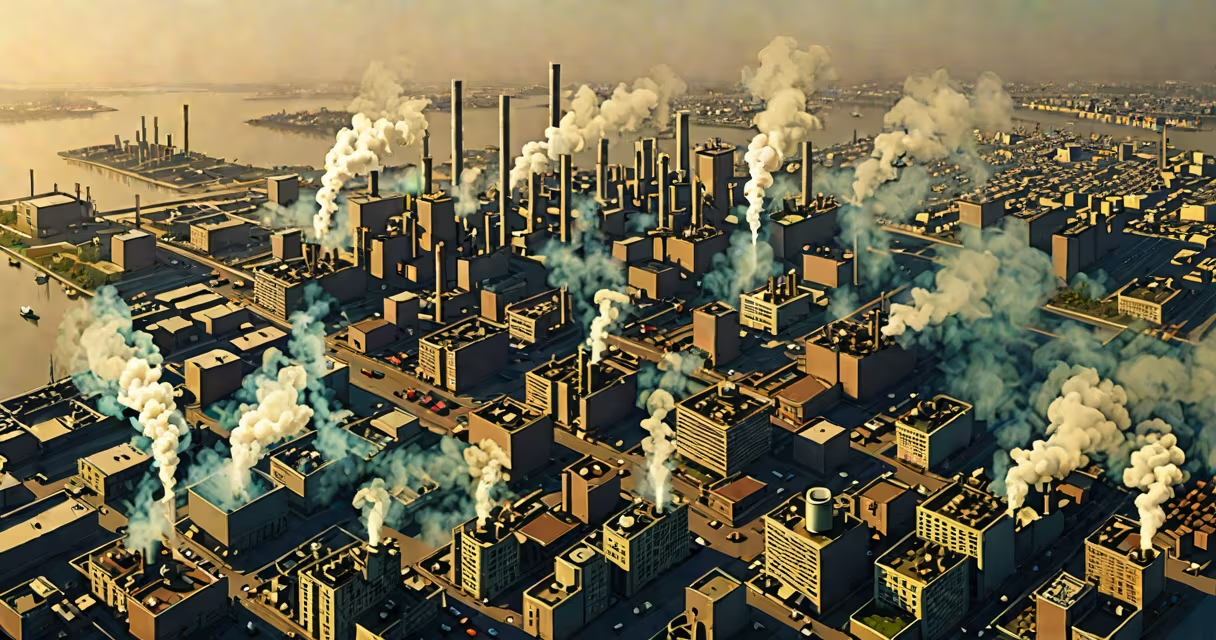
A disease cause by pollution is a medical condition directly linked to exposure to harmful substances released into the environment by human activity, such as industrial emissions, vehicle exhaust, or contaminated water. These agents damage cells, disrupt organ function, and trigger inflammatory or carcinogenic processes in the body.
Pollution-related diseases stem from airborne particulates, heavy metals, pesticides, and chemical runoff. The World Health Organization (WHO) identifies outdoor air pollution as a leading environmental risk factor, contributing to 7 million premature deaths annually. Indoor pollution, especially from cooking with solid fuels, adds another 3.2 million deaths per year. These figures reflect measurable biological harm from contaminants like PM2.5, nitrogen dioxide, and benzene.
Exposure pathways include inhalation, ingestion, and dermal contact. For example, long-term inhalation of fine particulate matter (PM2.5) from traffic and factory emissions leads to chronic obstructive pulmonary disease (COPD) and increased lung cancer incidence. A 2021 study published in *The Lancet Planetary Health* found that people living within 500 meters of major roadways had a 15% higher risk of developing COPD compared to those farther away.
The mechanism begins when toxicants enter the body and interact with biological systems. Particulate matter penetrates deep into lung tissue, causing oxidative stress and inflammation. Heavy metals like lead and mercury cross the blood-brain barrier, impairing neurological development in children. Persistent organic pollutants (POPs), such as dioxins and PCBs, accumulate in fat tissues and disrupt endocrine signaling.
These interactions trigger cellular damage through DNA mutations, mitochondrial dysfunction, and immune system dysregulation. For instance, prolonged exposure to diesel exhaust particles increases the expression of pro-inflammatory cytokines like IL-6 and TNF-alpha, which are associated with autoimmune disorders and cardiovascular disease. The U.S. Environmental Protection Agency (EPA) confirms that long-term exposure to nitrogen oxides correlates with elevated rates of asthma exacerbations in urban populations.
Some pollutants act as endocrine disruptors. Bisphenol A (BPA), found in plastic containers and food linings, mimics estrogen and has been tied to reproductive cancers and early puberty. A 2019 meta-analysis in *Environmental Health Perspectives* showed that women with high urinary BPA levels had a 2.3-fold increased risk of breast cancer compared to low-exposure groups.
Different pollutants target specific organs and systems. The following table outlines key disease categories, their primary pollutants, and documented health impacts:
| Disease Type | Primary Pollutant(s) | Key Health Impact | Source Example |
|---|---|---|---|
| Respiratory Illness | PM2.5, NO₂, ozone | Chronic bronchitis, reduced lung function | Urban traffic, coal-fired power plants |
| Cancer | Benzene, asbestos, PAHs | Lung, bladder, leukemia | Industrial zones, vehicle exhaust |
| Neurodevelopmental Disorders | Lead, mercury, pesticides | Reduced IQ, ADHD, autism spectrum risks | Old paint, contaminated fish, agricultural runoff |
| Cardiovascular Disease | PM2.5, carbon monoxide | Heart attacks, stroke, hypertension | Vehicle emissions, residential heating |
| Reproductive & Hormonal Issues | BPA, phthalates, dioxins | Infertility, birth defects, hormonal imbalance | Plastic packaging, industrial waste |
Each category reflects a direct causal chain between pollutant exposure and clinical outcomes. For example, children exposed to lead in drinking water from old pipes show measurable declines in cognitive performance. A 2020 study in *JAMA Pediatrics* tracked 1,000 children in Flint, Michigan, during the water crisis and found that those with elevated blood lead levels scored 5-7 points lower on standardized reading and math tests.
Many assume pollution only affects visible symptoms like coughing or skin rashes. But internal damage often occurs silently. For example, asbestos exposure causes mesothelioma-a rare cancer with a latency period of 20-50 years. Symptoms appear decades after initial contact, making diagnosis difficult and treatment less effective.
Another misconception is that pollution only harms people in low-income countries. While air quality in cities like Delhi and Jakarta remains critical, developed nations still face significant risks. In the United States, communities near industrial facilities-particularly Black and Hispanic neighborhoods-experience disproportionately high rates of asthma and cancer. The EPA's EJSCREEN tool maps these disparities, showing that 62% of census tracts with the highest pollution burden are located in areas with majority-minority populations.
Not all health effects are acute. Chronic low-level exposure to mixtures of pollutants can compound harm. A 2023 study in *Nature Communications* demonstrated that simultaneous exposure to multiple air pollutants (NO₂, PM2.5, and ozone) led to a 30% greater decline in lung function over time than exposure to any single pollutant alone.
Minamata disease, first identified in Japan in the 1950s, remains one of the clearest cases of disease cause by pollution. A chemical factory discharged methylmercury into Minamata Bay. Fish absorbed the toxin, and local residents who ate them developed severe neurological symptoms-tremors, vision loss, paralysis, and fetal deformities.
Autopsies revealed mercury accumulation in brain tissue. The Japanese government confirmed the link in 1956, but it took until 1973 for compensation to begin. Over 2,000 people were diagnosed with the condition, and hundreds died. This case established that industrial discharge could lead to widespread, irreversible disease in human populations.
I once visited Minamata and saw the memorial wall listing victims. The silence in the room was overwhelming. It wasn't just a historical event-it was proof that pollution doesn't just degrade ecosystems; it kills people, slowly and systematically.
Disease cause by pollution is not synonymous with infectious disease. While both can spread widely, pollution-induced illness results from environmental exposure, not pathogens. You cannot "catch" lung cancer from breathing polluted air like a virus. The damage is cumulative and biological, not contagious.
Also, not all pollution is industrial. Household products like cleaning sprays, air fresheners, and synthetic fragrances release volatile organic compounds (VOCs) that contribute to indoor air pollution. A 2022 study in *Environmental Science & Technology* found that common household cleaners emitted formaldehyde and acetaldehyde at levels exceeding safe limits indoors-even with ventilation.
Finally, pollution-related disease is not always preventable through individual action. While reducing car use or switching to non-toxic cleaners helps, systemic change is required. Regulatory enforcement, pollution monitoring, and clean energy adoption are essential to reduce population-level risk.
Understanding disease cause by pollution requires recognizing that human health is inseparable from environmental quality. When we pollute, we poison ourselves-not just animals or ecosystems, but our own bodies. The evidence is clear: air, water, and soil contamination directly cause illness, disability, and death.