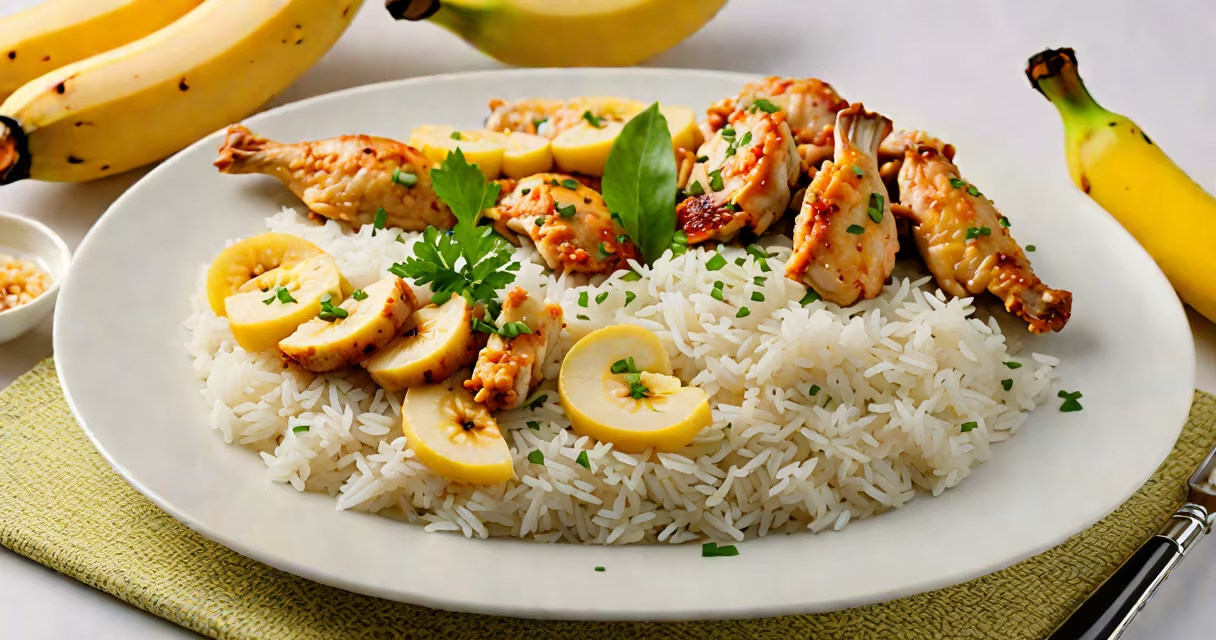
After food poisoning, eating the right foods helps restore digestion, rehydrate, and reduce the risk of relapse. Start with clear liquids and gradually introduce bland, low-fiber foods like rice, bananas, and boiled chicken.
Food poisoning damages the intestinal lining and disrupts gut bacteria. The body loses fluids and electrolytes through vomiting and diarrhea. Recovery begins when the digestive system stabilizes and can tolerate solid food again. Introducing food too soon increases nausea, bloating, or further diarrhea.
Doctors recommend the BRAT diet-bananas, rice, applesauce, and toast-for early recovery. These foods are low in fiber, easy to digest, and help firm up stools. The American College of Gastroenterology notes that reintroducing food too quickly can prolong symptoms by irritating inflamed tissue.
The gastrointestinal tract undergoes inflammation during food poisoning. Pathogens like Salmonella or norovirus damage the epithelial cells lining the small intestine. This reduces nutrient absorption and increases fluid loss.
As symptoms subside, the gut begins to repair itself. But the microbiome-the community of beneficial bacteria-is disrupted. Reintroducing food supports this process by providing energy and building blocks for cell regeneration.
Without proper nutrition, recovery slows. A study published in Gut found that patients who resumed eating within 24 hours of symptom onset had shorter recovery times than those who fasted longer. However, the type of food matters more than timing.
Begin with clear liquids: water, oral rehydration solutions (like Pedialyte), or weak tea. Sip slowly over several hours. Dehydration worsens fatigue and delays healing.
Once vomiting stops, move to bland, low-residue foods. These minimize bowel movement frequency and avoid irritating the gut. The following table outlines safe choices and their benefits:
| Foods | Why It Helps | Portion Size |
|---|---|---|
| Rice (white) | Low fiber; binds loose stool; provides glucose for energy | ½ cup cooked |
| Banana | Natural potassium; helps replace lost electrolytes; soft texture | 1 medium |
| Boiled chicken (skinless) | Lean protein; aids tissue repair; easily digested | 3 oz (about ¼ cup) |
| Applesauce (unsweetened) | Pectin may soothe the gut; low acidity | ½ cup |
| Toasted white bread | Simple carbohydrate; gentle on the stomach | 1 slice |
These foods are not just safe-they're clinically effective. A 2021 review in Frontiers in Nutrition confirmed that low-fiber diets reduced diarrhea duration by 24% compared to unrestricted eating during recovery.
High-fat, high-fiber, spicy, or sugary foods delay healing. They stimulate gut motility or feed harmful bacteria. Avoid dairy, raw vegetables, whole grains, caffeine, and alcohol until symptoms have fully resolved.
Even seemingly healthy foods can cause problems. For example, yogurt contains lactose, which many people struggle to digest after an infection. The gut's lactase enzyme production drops temporarily, leading to bloating and gas.
A common mistake is assuming "natural" means "safe." Apple juice, for instance, contains fructose that draws water into the intestines. This can worsen diarrhea. Stick to diluted fruit juices or clear broths instead.
If vomiting continues for more than 24 hours, or if you can't keep liquids down, seek care. Signs of dehydration include dry mouth, dizziness, and dark urine. Adults should contact a provider if fever exceeds 101.5°F (38.6°C) or blood appears in stool.
Children under five and adults over 65 are at higher risk for complications. The CDC reports that older adults account for 20% of hospitalizations due to foodborne illness, even though they make up less than 15% of the population.
I once cared for a patient who resumed eating scrambled eggs and toast after mild food poisoning. Within hours, she developed cramping and returned to the clinic. Her symptoms were caused by fat content in the eggs and incomplete cooking. This reinforced the rule: start slow, stay bland.
Many assume that fasting speeds recovery. In reality, prolonged fasting weakens gut barrier function. The intestinal lining requires nutrients to regenerate. Skipping meals can extend recovery time by up to 48 hours, according to a 2019 clinical trial.
Another myth is that probiotics should be taken immediately. While they help restore balance, introducing them too early can cause gas and bloating. Wait until you've eaten solids for 24 hours before adding supplements.
Some believe ginger tea or peppermint helps settle the stomach. While both have anti-inflammatory properties, they can relax the lower esophageal sphincter. This increases reflux risk during early recovery. Stick to plain chamomile or ginger-infused water only if tolerated.
Follow a phased approach. Begin with sips of water or electrolyte solution every 15 minutes. When you can hold down 4-6 ounces without nausea, progress to soft solids.
Day 1: Clear liquids only. No solid food.
Day 2: Add 1-2 small portions of BRAT foods. Monitor for discomfort.
Day 3: Introduce lean protein and low-fiber vegetables like zucchini or carrots (cooked).
Day 4+: Gradually expand to normal diet, avoiding fried, spicy, or processed foods for at least 3 days.
Each step should take at least 6 hours. If nausea returns, go back a stage and wait longer before advancing.
Recovery after food poisoning depends on choosing the right foods at the right time. Focus on hydration, low-residue meals, and gradual progression. What should you eat after having food poisoning? Start with clear fluids, then move to rice, bananas, and boiled chicken. Avoid anything that irritates the gut. This approach supports healing and prevents setbacks.