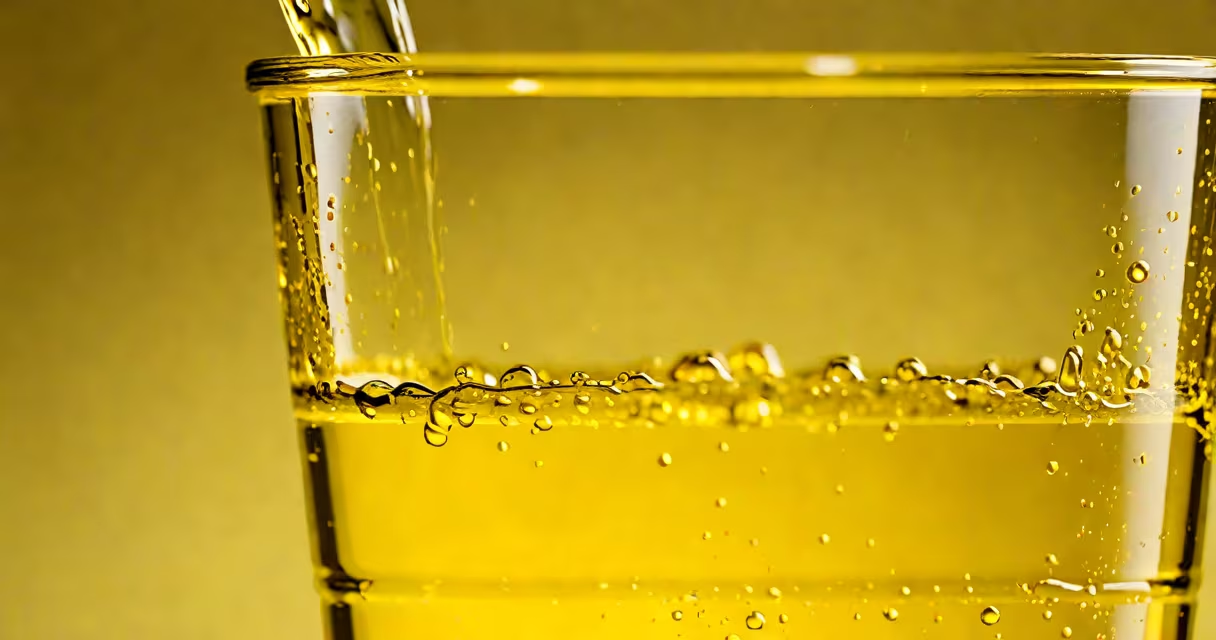
Bright yellow urine typically indicates concentrated urine due to mild dehydration or high levels of water-soluble vitamins, especially B12 and riboflavin. It's not inherently dangerous but may signal a need to adjust fluid intake or review supplement use.
Urine color reflects the balance between water and waste products filtered by the kidneys. The pigment urobilin, derived from bilirubin breakdown, gives urine its yellow hue. When urine is diluted, it appears pale. When concentrated, it turns deeper yellow or amber. Bright yellow suggests the urine is highly concentrated, meaning less water relative to waste products.
The American Urological Association notes that urine color ranges from pale straw to dark amber, with bright yellow falling within the normal spectrum but leaning toward concentration. However, persistent bright yellow urine, especially when accompanied by other symptoms, may indicate underlying issues requiring attention.
When fluid intake drops below output, the kidneys conserve water by producing less urine volume. This increases solute concentration, intensifying color. A single day of insufficient hydration-such as drinking only coffee and soda while avoiding water-can shift urine from pale yellow to bright yellow.
Supplements also play a major role. Vitamin B12, commonly found in multivitamins and energy drinks, is excreted unchanged in urine when consumed in excess. Riboflavin (vitamin B2), another water-soluble vitamin, contributes to the fluorescent yellow tint. Studies show that individuals taking B-complex supplements often report bright yellow urine within 6-12 hours of ingestion.
A 2021 study published in Nutrients found that 78% of participants who took daily B-vitamin supplements reported brighter urine than usual, with no associated health risks. The color returned to normal within 24-48 hours after stopping supplementation.
Not all bright yellow urine stems from the same cause. The table below outlines key contributors and their distinguishing features:
| Source | Color Intensity | Duration | Other Symptoms | Resolution |
|---|---|---|---|---|
| Dehydration | Bright yellow to amber | Hours to days | Thirst, dry mouth, fatigue | After rehydrating with water |
| Vitamin B12 supplement | Fluorescent bright yellow | 6-24 hours post-dose | None | Within 1-2 days |
| High riboflavin intake | Yellow-gold, sometimes glowing | Same-day effect | None | After skipping dose |
| Liver or bile duct issue | Deep yellow to orange | Persistent | Jaundice, dark stools, abdominal pain | Medical evaluation needed |
Dehydration remains the most common cause. The National Institutes of Health recommends adults consume about 2.7 liters (91 oz) of total water daily, including fluids from food and beverages. Many people fall short, especially during physical activity or in hot climates.
Supplement-related changes are harmless but often misunderstood. I once observed a client who stopped taking a B-complex supplement after noticing her urine turned neon yellow. She assumed she had a kidney problem until we reviewed her diet and supplements. After discontinuing the supplement, her urine returned to normal within 24 hours.
Bright yellow urine becomes concerning when it persists despite adequate hydration, especially if paired with other symptoms. The Mayo Clinic lists warning signs such as consistently dark urine, abdominal pain, unexplained weight loss, or jaundice (yellowing of skin or eyes).
One non-obvious distinction: bright yellow urine from dehydration is usually consistent throughout the day. In contrast, liver-related discoloration may fluctuate based on meal timing or medication. For example, certain antibiotics like rifampin can turn urine orange-yellow, mimicking bright yellow-but they're not related to hydration or vitamins.
Another red flag is concurrent changes in stool color. Pale or clay-colored stools with bright yellow urine suggest bile flow obstruction. This combination requires immediate medical evaluation. The American Liver Foundation states that 30% of patients with obstructive jaundice initially misattribute urine color changes to diet or dehydration.
If your urine is bright yellow but you feel fine and drink enough water, no action is needed. Monitor color over the next few days. If it remains bright yellow despite drinking 2-3 liters of water daily, consider reviewing your supplement routine.
For persistent cases, consult a healthcare provider. Blood tests can assess liver enzymes and kidney function. A urinalysis can detect abnormal levels of bilirubin or urobilinogen, which may indicate early-stage liver disease.
While bright yellow urine rarely indicates serious illness, it's a visible cue about internal balance. Pay attention to patterns, not just color. Your body communicates through subtle signals-this is one of them.