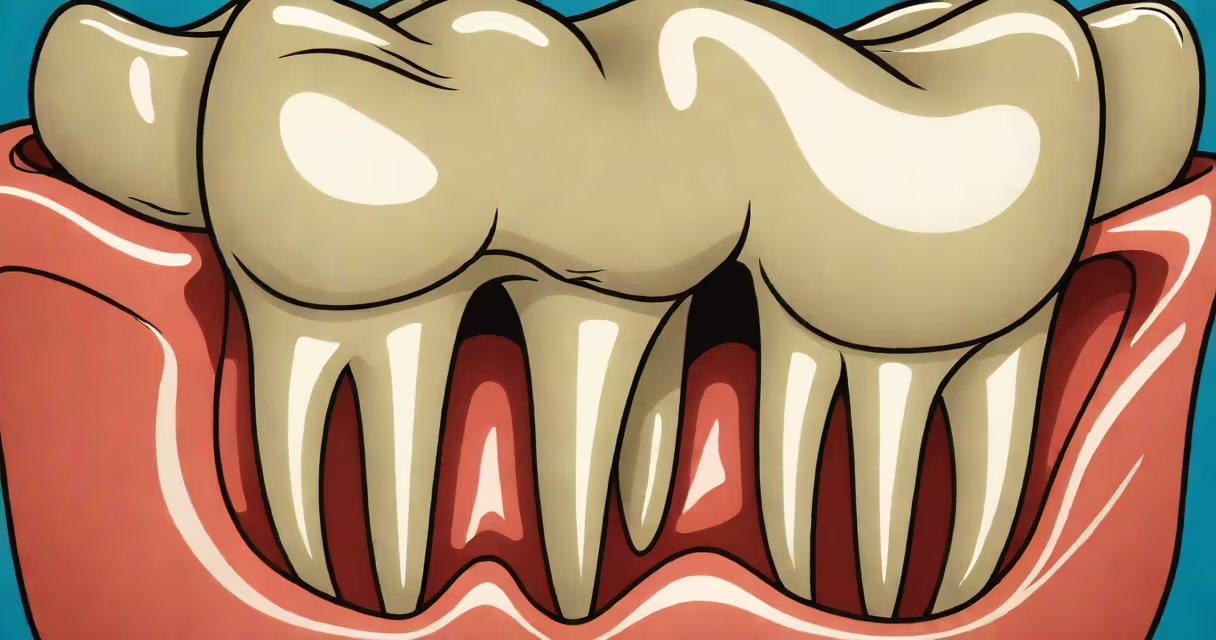
A tooth that feels numb or lacks sensation may still cause severe pain due to infection spreading beyond the nerve. This condition, known as pain in dead tooth, occurs when the dental pulp dies but bacteria continue to grow, triggering inflammation and pressure in surrounding tissues.
When a tooth's nerve dies-often from deep decay, trauma, or untreated cavities-the pulp tissue inside the root canal becomes necrotic. Without blood flow, the nerve stops sending pain signals. But bacteria can survive and multiply in the sealed space, leading to pus buildup and pressure. That pressure activates nearby nerves in the jawbone and gums, causing pain even though the tooth itself no longer feels anything.
According to the American Association of Endodontists, about 15% of root canal treatments fail due to persistent infection after pulp death. The pain typically worsens at night or when lying down, as fluid shifts increase pressure in the jaw. Delaying treatment risks bone loss and spread to adjacent teeth or facial tissues.
Pain in dead tooth arises not from the tooth's nerve-but from secondary infection. Once the pulp dies, it creates a sterile environment where anaerobic bacteria thrive. These microbes produce toxins and gases that irritate surrounding tissues. As the infection spreads, it triggers immune responses that cause swelling, tenderness, and sharp pain during chewing or biting.
The process begins with a cavity that reaches the pulp chamber. If left untreated, the nerve dies within weeks. But the tooth doesn't become pain-free immediately. Instead, pain often appears later-sometimes months after the initial injury-as infection progresses. This delay confuses patients who assume the absence of pain means healing is occurring.
For example, a 34-year-old patient reported no pain for six months after a chipped front tooth. When swelling developed around the gum, he sought care. A CT scan revealed a 1.2 cm abscess at the root tip. The tooth had no sensitivity, yet the pain was intense during swallowing and speaking. After drainage and root canal therapy, symptoms resolved in four days.
Dental pulp death results from trauma, decay, or prior dental work. Common causes include:
Once the pulp dies, it can't regenerate. The tooth remains structurally intact but becomes vulnerable to bacterial invasion. Over time, the dead tissue decomposes, creating a breeding ground for infection. The presence of a blackened or grayish tooth color indicates internal discoloration from hemoglobin breakdown-common in non-important teeth.
| Sign | Indicates |
|---|---|
| Darkened tooth | Pulp necrosis, often visible after trauma |
| Gum swelling or boil | Active abscess draining pus |
| Pain when biting | Inflammation in periodontal ligament |
| Foul taste or odor | Chronic infection with bacterial byproducts |
Many people believe a tooth with no pain is healthy. This is false. A dead tooth can appear normal while silently harboring infection. The absence of pain does not equal resolution-it may indicate advanced nerve damage or systemic suppression of symptoms.
Some confuse pain in dead tooth with tooth sensitivity. Sensitivity involves exposed dentin and transient pain from cold or sweet stimuli. In contrast, pain from a dead tooth is constant, throbbing, and often worsens at night. It may radiate to the ear or temple and persist despite over-the-counter painkillers.
Another error is assuming antibiotics alone can treat the issue. While they reduce swelling temporarily, they do not eliminate the source: infected root canals. The CDC reports that antibiotic misuse in dental infections contributes to resistant strains. Root canal therapy or extraction remains the definitive solution.
Diagnosis requires clinical evaluation and imaging. Dentists use a combination of tests: cold testing (which fails in dead teeth), percussion (tapping to check for pain), and X-rays or CBCT scans to detect bone loss or abscesses.
Treatment depends on the extent of infection. For early-stage cases, root canal therapy removes the dead pulp, cleans the canals, and seals them. Success rates exceed 90% when performed within six months of symptom onset, according to the Journal of Endodontics.
If the infection has spread to the jawbone or sinus, surgical drainage may be needed. In advanced cases, extraction is necessary to prevent sepsis. After removal, options include implants, bridges, or removable dentures.
I once treated a patient whose tooth had no pain for nearly a year. He presented with facial swelling and fever. An X-ray showed a large lesion under the tooth. After extraction and antibiotics, his symptoms resolved in five days. He later admitted he avoided care because "the tooth didn't hurt."
Any sign of swelling, foul taste, or persistent ache-even without tooth pain-requires immediate attention. Delaying care increases risk of systemic spread. The Mayo Clinic warns that untreated dental infections can lead to Ludwig's angina, a life-threatening condition affecting airway passage.
Early intervention prevents complications. If you suspect a dead tooth, see a dentist within 48 hours of noticing changes. Do not rely on pain as a gauge of severity.
Recognizing pain in dead tooth as a warning sign-not a relief-is critical. The absence of pain does not mean safety. Infection continues to progress, threatening both oral health and well-being.