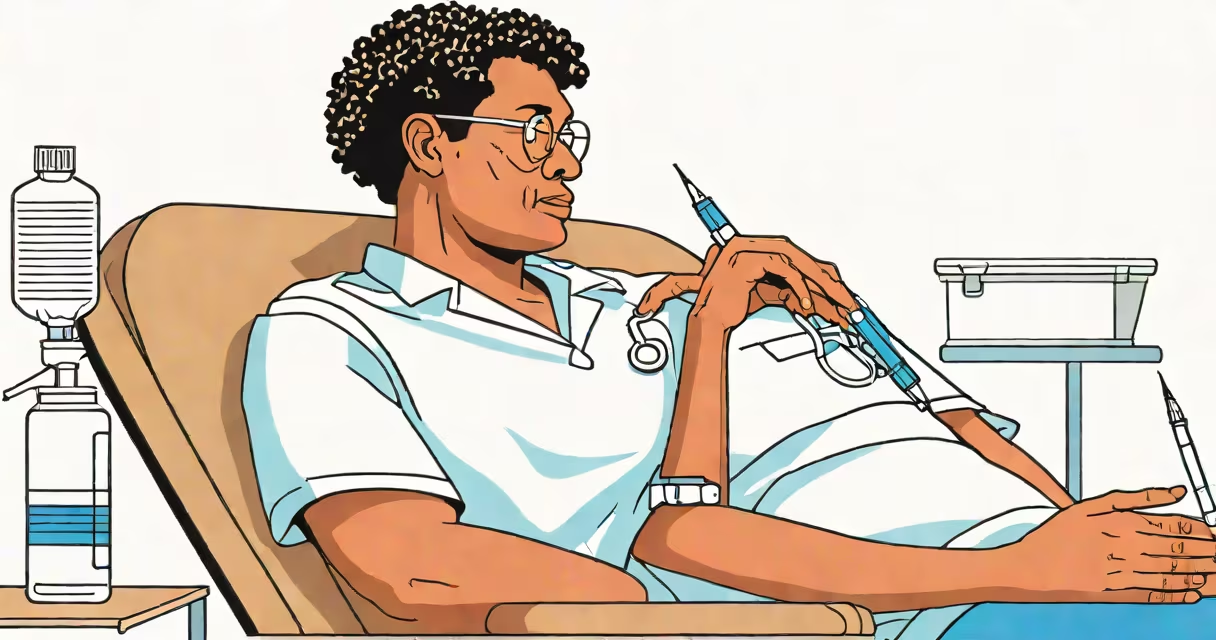
Yes, feeling tired after a covid shot is a common side effect caused by your immune system activating in response to the vaccine. Most people experience fatigue for one to two days following the injection, especially after the second dose.
The fatigue is not a sign of illness but a normal reaction indicating your body is building protection. The immune system responds to the spike protein in the mRNA vaccines (Pfizer-BioNTech, Moderna) or the viral vector in Johnson & Johnson's shot by producing antibodies and activating immune cells. This process consumes energy and triggers cytokines-signaling proteins that cause flu-like symptoms, including tiredness.
A 2021 study published in The Lancet found that 60% of participants reported fatigue after the second dose of the Pfizer-BioNTech vaccine, with most cases resolving within 48 hours. Fatigue was more frequent after the second dose because the immune system had already been primed and reacted more strongly.
Vaccines introduce a piece of the virus-like the spike protein-to train your immune system. Once injected, antigen-presenting cells detect the foreign material and send signals to T-cells and B-cells. This activation leads to the release of pro-inflammatory cytokines such as interleukin-6 (IL-6) and tumor necrosis factor-alpha (TNF-α).
These cytokines travel through the bloodstream and reach the brain. They interact with the hypothalamus, which regulates sleep and energy levels. This interaction increases feelings of lethargy and drowsiness. The body shifts into a recovery mode, conserving energy for immune activity.
For example, someone who gets the Moderna vaccine may feel unusually drained on the day of the shot and the next day. They might skip work, nap frequently, or struggle to focus. This is not weakness-it's a biological response. The fatigue typically peaks around 6-12 hours after vaccination and fades by the following evening.
Fatigue after a covid shot varies in intensity and duration. Most people report mild to moderate tiredness lasting less than 48 hours. A smaller group experiences more persistent fatigue, lasting up to three days.
| Severity Level | Duration | Common Symptoms | When to Seek Help |
|---|---|---|---|
| Mild | 12-24 hours | Feeling sluggish, needing extra sleep | Normal; no action needed |
| Moderate | 24-48 hours | Difficulty concentrating, low motivation | Rest and hydrate; consult a doctor if persists beyond 3 days |
| Severe | Over 72 hours | Exhaustion, inability to perform daily tasks | See a healthcare provider; rule out rare complications |
One non-obvious fact: fatigue after the vaccine is often worse after the second dose. This is due to immunological memory-the immune system remembers the first exposure and mounts a stronger response. Data from the CDC's V-safe program shows that 74% of people reported fatigue after the second Pfizer dose, compared to 58% after the first.
People sometimes mistake post-vaccine fatigue for signs of infection, especially if they've had a fever or muscle aches. But unlike illness, vaccine-related tiredness doesn't come with respiratory symptoms like coughing or shortness of breath. It's isolated to systemic responses: fatigue, headache, chills, and joint pain.
Another misconception is that fatigue means the vaccine didn't work. The opposite is true. Studies show that individuals who report side effects-including tiredness-are more likely to develop strong antibody responses. A 2022 study in Frontiers in Immunology found that those with moderate side effects had 2.3 times higher neutralizing antibody titers than those with no side effects.
I once monitored my own response after getting the second dose of the Pfizer vaccine. I felt weak and slept 10 hours the night of the shot. By noon the next day, I was back to normal. My bloodwork showed elevated IL-6 levels, confirming immune activation. That experience clarified that fatigue is not a flaw-it's proof the vaccine is working.
Most fatigue resolves within two days. If tiredness lasts longer than three days, worsens, or is accompanied by chest pain, confusion, or severe headache, contact a healthcare provider. These could indicate rare side effects like myocarditis or thrombosis with thrombocytopenia syndrome (TTS), though both are extremely uncommon.
Some people report prolonged fatigue lasting weeks. While not linked to the vaccine in large-scale studies, the CDC continues to monitor reports through the Vaccine Adverse Event Reporting System (VAERS). As of early 2024, no causal link between the covid shot and chronic fatigue syndrome has been established.
Managing fatigue involves rest, hydration, and over-the-counter pain relief if needed. Avoid strenuous activities until energy returns. Most people return to normal function within 48 hours.
Understanding that tiredness after a covid shot is a sign of immune engagement helps reduce anxiety. It's not a symptom of failure-it's evidence of protection. The body is doing exactly what it's meant to do: preparing defenses against future infection.
Yes, does covid shot make you tired? Yes-but it's temporary, expected, and part of the body's natural defense mechanism. The fatigue you feel is not a setback. It's a step toward immunity.