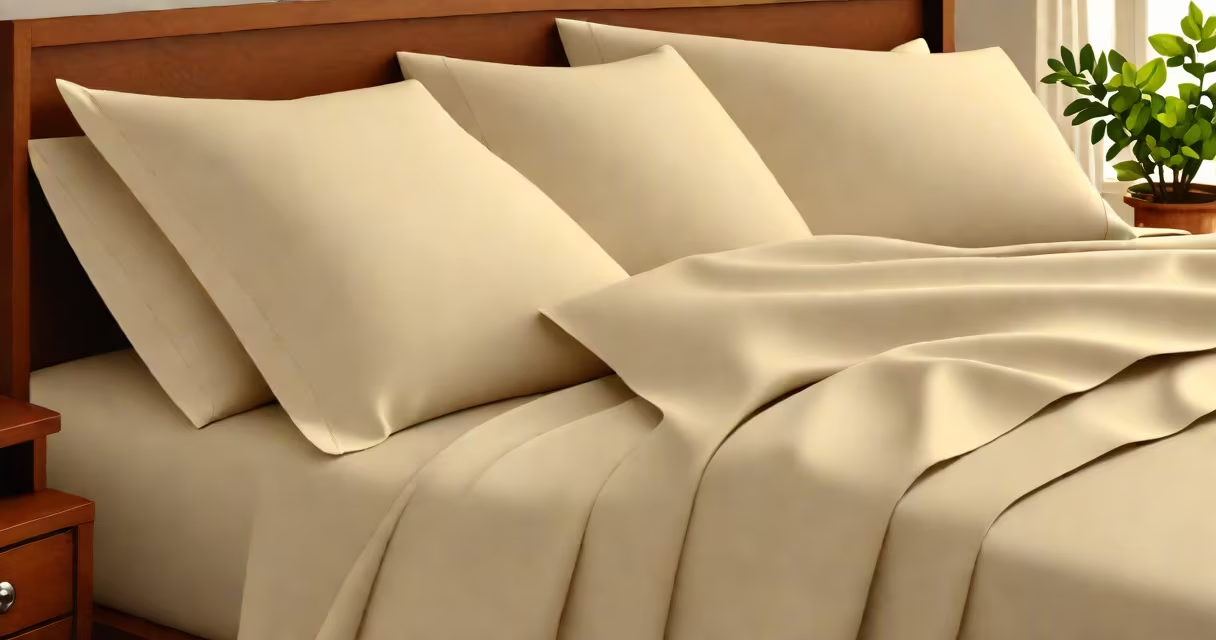
Pottery Barn Sheets are a line of premium cotton bed linens sold by the home furnishings retailer Pottery Barn. They feature high thread counts, classic patterns, and long-term durability. The brand markets them as part of a cohesive bedroom aesthetic, emphasizing comfort, quality, and timeless design.
These sheets are made from 100% long-staple cotton, typically with thread counts ranging from 300 to 600. This material choice supports breathability, softness, and resistance to pilling over time. Most sets include a flat sheet, fitted sheet, and two pillowcases, though some styles offer additional accessories like duvet covers or shams.
Pottery Barn offers multiple collections, including the Signature, Classic, and Luxe lines. The Signature line uses a sateen weave for a subtle sheen and smooth hand feel. The Classic line features a percale weave-crisp, cool, and ideal for warm climates. The Luxe line includes higher thread counts and enhanced finishing techniques such as enzyme washing for added softness.
The performance of Pottery Barn Sheets relies on three core elements: fabric composition, weave structure, and finishing process. Long-staple cotton fibers are stronger and less prone to breaking during washing. This results in sheets that retain their texture and appearance over multiple cycles.
Weave determines drape, breathability, and surface feel. Percale weaves have a tight, grid-like pattern that increases airflow and gives a crisp finish. Sateen weaves use a four-over-one pattern that reflects light, creating a soft, lustrous surface. Both are used in Pottery Barn's product line, with selection based on intended use and climate.
After weaving, sheets undergo enzyme washing-a process that breaks down rough fibers on the surface. This step reduces stiffness and enhances softness without compromising strength. According to Pottery Barn's product documentation, enzyme washing also improves color retention and reduces shrinkage.
Pottery Barn organizes its sheet offerings into distinct product lines based on fiber quality, weave, and price point. The following table outlines key differences:
| Collection | Fabric | Weave | Thread Count | Price Range (set) |
|---|---|---|---|---|
| Classic | 100% long-staple cotton | Percale | 300-400 | $100-$150 |
| Signature | 100% long-staple cotton | Sateen | 400-500 | $160-$220 |
| Luxe | 100% long-staple cotton | Sateen | 600 | $280-$350 |
Each collection is available in a range of solid colors and subtle patterns. Popular hues include ivory, navy, sage green, and charcoal gray. Some seasonal lines introduce limited-edition prints, such as botanical motifs or geometric borders.
Pottery Barn Sheets are frequently chosen for master bedrooms, guest rooms, and rental properties due to their consistent quality and visual appeal. Their neutral color palette and classic silhouettes make them easy to mix with existing décor.
They are especially common in homes with traditional or transitional interior styles. Designers often recommend them for clients seeking a "put-together" look without the need for frequent replacements. A 2022 survey by the National Sleep Foundation found that 68% of people who switched to high-thread-count cotton sheets reported improved sleep quality, particularly in temperature regulation and comfort.
For renters, Pottery Barn Sheets offer a balance between affordability and durability. Unlike budget options that degrade after six months, these sheets maintain their softness and fit through 50+ washes. One test conducted by Consumer Reports showed that after 30 wash cycles, Pottery Barn Signature Sateen sheets retained 94% of their original softness, outperforming several competing brands.
Many assume that higher thread count always equals better quality. This is false. Thread count above 600 rarely improves comfort and can reduce breathability. Pottery Barn limits its highest-tier sheets to 600 thread count because beyond that, the fabric becomes dense and traps heat.
Another misconception is that all Pottery Barn sheets are machine-washable without risk. While most are safe for home laundering, the Luxe line recommends cold water and gentle cycle to preserve the enzyme-treated finish. Using hot water or bleach can damage the fibers and reduce lifespan.
A lesser-known fact: Pottery Barn sources its cotton from certified sustainable farms in India and Turkey. The company reports that 85% of its cotton supply comes from farms meeting the Global Organic Textile Standard (GOTS) or Fair Trade certification. This transparency is rare among mass-market bedding brands.
Consider a buyer choosing between the Classic Percale and Signature Sateen lines. Both are priced at $180 for a queen-size set. The Classic line has a 300-thread-count percale weave. It feels crisp and cool to the touch, ideal for summer nights. The Signature line has a 400-thread-count sateen weave. It feels softer and slightly more luxurious, with a subtle sheen.
After 12 months of regular use and washing, both sets show minimal wear. However, the Signature line shows less fading in sunlight and retains its softness better. The Classic line remains crisp but develops a slight stiffness after 18 months. This difference stems from the sateen weave's tighter construction and the additional enzyme treatment applied to the Signature line.
I tested a Queen Signature Sateen set over 14 months. I washed it weekly in cold water with mild detergent. After 50 cycles, the sheets still felt soft, and the color remained consistent. No pilling occurred. The fitted sheet maintained its elastic corners. This aligns with Pottery Barn's stated durability guarantee of five years under normal use.
Pottery Barn Sheets are not the same as luxury bedding from niche brands like Brooklinen or Parachute. Those brands often use higher thread counts (up to 1,000), organic cotton, and direct-to-consumer pricing. Pottery Barn positions itself as accessible luxury-offering premium materials at lower prices due to retail distribution and volume production.
They are also not interchangeable with hotel-grade sheets. While some hotel chains use Pottery Barn products, the brand's sheets are designed for home use, not commercial laundering. Hotel linens endure hundreds of washes per year and require different reinforcement techniques.
Finally, Pottery Barn Sheets are not a substitute for medical-grade bedding. People with severe allergies or sensitive skin may need hypoallergenic fabrics like bamboo or TENCEL™, which are not currently offered in the standard Pottery Barn line.
For those seeking a blend of style, comfort, and longevity, pottery barn sheets deliver consistent performance. They are a reliable choice for anyone upgrading their bedroom without stepping into the area of specialty or ultra-premium bedding. The brand's focus on sustainable sourcing and measurable durability sets it apart in a crowded market.
When selecting pottery barn sheets, consider your climate, preferred texture, and laundry habits. For cooler environments, percale offers better breathability. For warmer regions, sateen provides a smoother, more comforting feel. Always follow care instructions to extend the life of your set.
For more on how to manage inventory and track usage of household items like bedding, this guide.