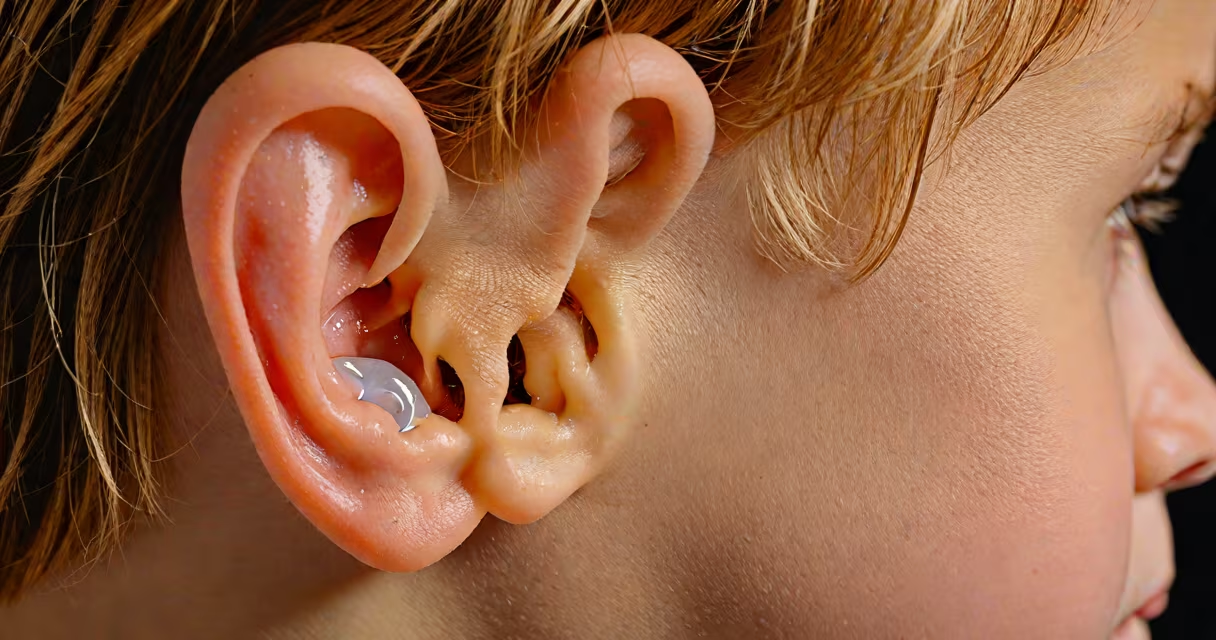
Yes, fluid in the ear can cause pain, particularly when it builds up in the middle ear due to infection or blocked Eustachian tubes. This condition, known as otitis media with effusion, often results in pressure, fullness, and sharp or throbbing pain, especially in children.
Fluid in the ear typically forms when the Eustachian tube-connecting the middle ear to the back of the nose-fails to drain properly. This can happen during or after a cold, allergies, or sinus infections. When fluid accumulates, it increases pressure behind the eardrum, which triggers nerve endings and causes pain. The sensation may feel like a plugged-up ear or a dull ache that worsens when lying down.
According to the American Academy of Otolaryngology-Head and Neck Surgery (AAO-HNS), approximately 75% of children experience at least one episode of middle ear fluid by age 3. In most cases, the fluid resolves on its own within 3 weeks. However, persistent fluid can lead to temporary hearing loss and discomfort, requiring medical evaluation.
Pain arises when fluid increases pressure in the middle ear space. The eardrum stretches under this pressure, activating pain receptors. Swelling and inflammation from infection further amplify discomfort. Children often tug at their ears, cry more than usual, or have trouble sleeping due to pain.
A 2021 study published in JAMA Pediatrics found that 62% of children with middle ear effusion reported ear pain during the acute phase. Pain intensity correlates with the volume of fluid and the presence of bacterial or viral infection. Without treatment, fluid can remain for weeks, leading to chronic irritation and recurrent episodes.
Even mild pressure changes can trigger pain. For example, flying or diving can make ear pain worse because air pressure shifts rapidly. The trapped fluid cannot equalize with external pressure, causing a painful sensation similar to "ear popping" that doesn't resolve.
Not all fluid in the ear causes pain. The condition's severity depends on the underlying cause and whether infection is present. The main types include:
| Type | Common Cause | Pain Level | Typical Symptoms |
|---|---|---|---|
| Acute otitis media | Bacterial or viral infection | High | Sharp pain, fever, hearing loss, irritability |
| Otitis media with effusion (OME) | Post-infection fluid, Eustachian tube dysfunction | Low to moderate | Fullness, muffled hearing, occasional dull ache |
| Chronic suppurative otitis media | Persistent infection with eardrum perforation | High | Drainage, severe pain, progressive hearing loss |
OME is the most common form of fluid in the ear without active infection. It often follows a cold or upper respiratory infection. While pain may be absent or minimal, hearing can drop by 20-30 decibels, affecting speech development in young children.
One non-obvious fact: fluid in the ear can persist for months even after the initial illness resolves. A 2019 review in The Lancet Child & Adolescent Health showed that nearly 30% of children with OME still had fluid after 3 months, despite no pain. This highlights that absence of pain doesn't rule out a problem needing monitoring.
Some individuals-especially adults-experience fluid in the ear without pain. This occurs when the fluid is slow-moving, non-inflammatory, or caused by Eustachian tube dysfunction rather than infection. The lack of pain can delay diagnosis, especially in older patients who may mistake muffled hearing for normal aging.
For example, a 45-year-old office worker reported difficulty understanding conversations during meetings. An audiogram revealed a 25 dB hearing loss in the left ear. Otoscopy confirmed fluid behind the eardrum. He had no pain, only fullness and fatigue. After two weeks of observation, the fluid resolved spontaneously. This case illustrates that fluid can impair function without triggering pain.
Another example: a 7-year-old boy had fluid detected during a school hearing screening. His parents reported no complaints. On exam, the doctor saw a bluish tint behind the eardrum and confirmed effusion via tympanometry. The child had no earache, but his teacher noted decreased attention in class. This shows that fluid can affect learning without obvious pain.
As a clinician, I've seen multiple cases where parents assumed "no pain = no issue." But untreated fluid can lead to permanent hearing damage in children under 5. The American Speech-Language-Hearing Association recommends follow-up testing if fluid persists beyond 3 months.
Many assume that ear pain always signals infection. That's incorrect. Fluid alone can cause pain, and infection isn't required. Conversely, some believe painless fluid is harmless. That's also false-persistent fluid can impair language acquisition and academic performance.
Another misconception: fluid in the ear only affects children. Adults experience it too, especially those with allergies, smoking history, or frequent sinus issues. A 2020 study in International Journal of Pediatric Otorhinolaryngology found that 18% of adults aged 30-50 had asymptomatic middle ear effusion on routine imaging.
Finally, people often confuse fluid in the ear with swimmer's ear (otitis externa). Swimmer's ear involves the outer ear canal and causes intense pain when the earlobe is pulled. Fluid in the middle ear causes deep, pressure-related pain that doesn't improve with ear movement. Distinguishing between them is critical for proper treatment.
See a healthcare provider if fluid lasts longer than 3 months, hearing loss persists, or pain returns after resolving. Treatment depends on the cause. Antibiotics are ineffective for non-infected fluid. Nasal decongestants or steroid sprays may help in cases linked to allergies or swelling.
For children, the American Academy of Pediatrics recommends monitoring for 3 months before considering ear tubes (tympanostomy tubes) if fluid remains. These small tubes allow drainage and equalize pressure, reducing pain and preventing hearing loss.
Understanding that fluid in the ear can cause pain-and sometimes doesn't-is key to timely care. Early detection prevents complications, especially in children whose brain development relies on clear auditory input.