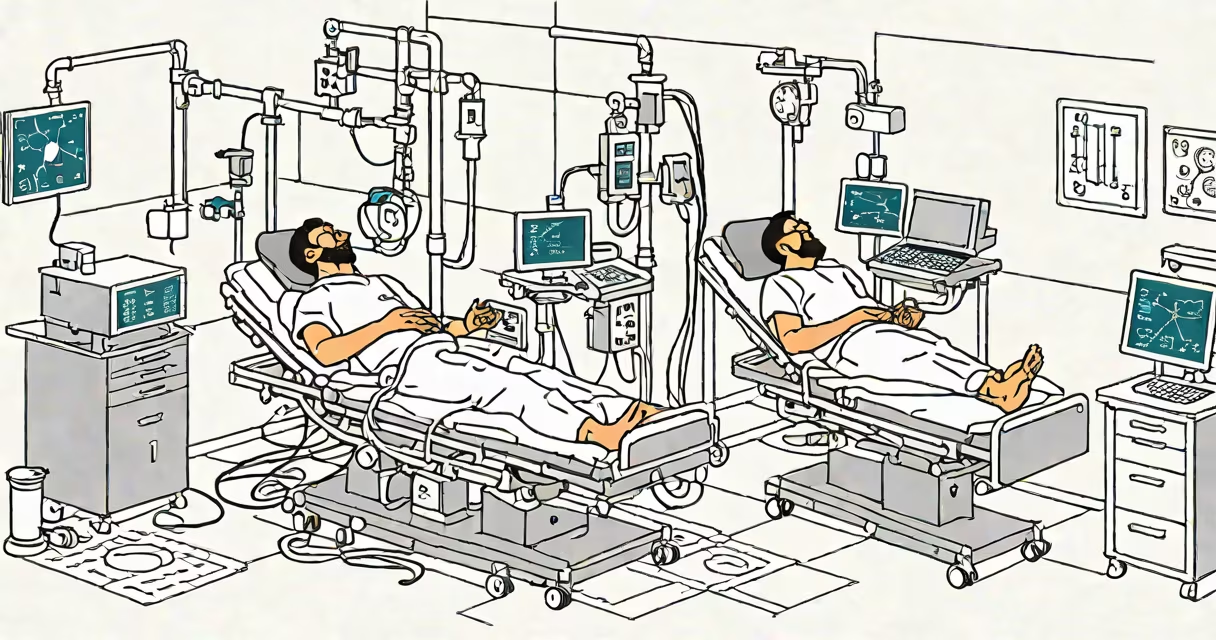
Intravenous (IV) sedation involves delivering medication directly into the bloodstream through a vein, often resulting in drowsiness or sleep-like states during medical procedures. The primary purpose is to reduce anxiety and discomfort, with sedation levels adjusted based on patient response and procedure duration.
IV sedation is not the same as general anesthesia. While both suppress consciousness, IV sedation maintains the ability to breathe independently and respond to verbal commands. Medications such as midazolam, propofol, or fentanyl are commonly used. These drugs act quickly-within seconds-and their effects wear off faster than oral sedatives, making them ideal for short outpatient procedures like colonoscopies, dental work, or minor surgeries.
After the procedure, patients typically remain drowsy for 30 to 60 minutes. This post-procedure drowsiness is expected and part of the recovery process. The sensation of sleepiness is due to the central nervous system depressant effects of the drugs. Some individuals report feeling groggy or disoriented upon waking, especially if higher doses were used.
When medication enters the bloodstream via IV, it reaches the brain within seconds. This rapid onset allows clinicians to titrate (adjust) the dose precisely based on patient response. For example, a small dose of midazolam may produce mild relaxation, while a larger dose induces deeper sedation, bordering on unconsciousness.
The mechanism involves enhancing gamma-aminobutyric acid (GABA), a neurotransmitter that inhibits brain activity. By boosting GABA's effect, IV sedatives slow neural signaling, reducing awareness and pain perception. This is why patients undergoing IV sedation often have little memory of the procedure.
A key safety feature is continuous monitoring. Important signs-including heart rate, blood pressure, oxygen saturation, and respiratory rate-are tracked throughout. If sedation becomes too deep, providers can reverse the effects using agents like flumazenil (for benzodiazepines) or naloxone (for opioids).
There are several classes of drugs used in IV sedation, each with distinct profiles:
| Drug Class | Common Examples | Onset Time | Sedation Level | Recovery Time |
|---|---|---|---|---|
| Benzodiazepines | Midazolam | 15-30 seconds | Mild to moderate | 30-60 minutes |
| Barbiturates | Thiopental | 10-20 seconds | Deep | 20-40 minutes |
| Propofol | Propofol | 10-20 seconds | Deep to surgical | 15-30 minutes |
| Opioids | Fentanyl | 30-60 seconds | Pain relief with mild sedation | 20-40 minutes |
Midazolam is the most frequently used agent in outpatient settings due to its predictable effects and short half-life. Propofol is favored in surgical environments because of its rapid recovery profile, though it requires specialized training to administer safely.
The level of drowsiness varies between individuals. Age, weight, liver function, and concurrent medications influence drug metabolism. Older adults metabolize drugs more slowly, increasing the risk of prolonged sedation. A 70-year-old receiving midazolam may feel drowsy for over an hour, while a healthy 30-year-old may recover in 30 minutes.
Many assume that being sedated means sleeping. But sedation is not sleep. During sleep, brain waves follow predictable cycles (stages 1-4 and REM). During IV sedation, brain activity remains altered but does not progress through normal sleep architecture.
Patients under IV sedation can be awakened easily. They may respond to questions or physical stimuli, even if they appear unresponsive. This distinguishes IV sedation from general anesthesia, where patients are completely unconscious and cannot be roused.
A common misconception is that IV sedation causes long-term cognitive changes. Research shows no evidence of lasting memory loss or brain function decline after standard IV sedation. A 2021 study published in Anesthesia & Analgesia found that patients showed no significant difference in cognitive performance 24 hours post-procedure compared to baseline.
Consider a 45-year-old woman undergoing a root canal. She has severe dental anxiety and requests IV sedation. After placement of an IV line, she receives 1 mg of midazolam. Within 20 seconds, her breathing slows slightly, her eyelids droop, and she reports feeling calm and detached.
The dentist begins the procedure. The patient remains still, responds to verbal cues, and recalls nothing afterward. After 45 minutes, the procedure ends. The IV line is removed, and she is moved to a recovery area. She remains drowsy for 40 minutes, then gradually becomes alert. She feels tired but not disoriented.
She is given clear instructions: do not drive, operate machinery, or make important decisions for 24 hours. She is advised to rest and avoid alcohol. Her recovery aligns with typical expectations for midazolam-based sedation.
Pre-procedure, patients must fast for at least six hours before IV sedation to reduce aspiration risk. Eating or drinking increases the chance of vomiting during sedation, which can lead to lung injury.
Post-procedure, drowsiness is normal. Patients should avoid alcohol, sedatives, or heavy meals until fully awake. Driving is unsafe until mental clarity returns-usually 12 to 24 hours later.
Some people report vivid dreams or hallucinations during recovery. These are rare but possible side effects of certain IV agents. If they occur, they resolve quickly and do not indicate psychological harm.
If you're considering sedation for a medical procedure, discuss your history with your provider. Conditions like sleep apnea, chronic lung disease, or prior adverse reactions to sedatives require special evaluation.
Understanding that IV sedation causes sleepiness is accurate-but incomplete. The sleepiness is temporary, intentional, and reversible. It serves a clinical purpose: enabling safe, pain-free care with minimal distress.
Yes-IV sedation makes you sleepy. That's the intended outcome. The goal is comfort, safety, and effective treatment, not prolonged unconsciousness. When properly administered, the drowsiness resolves quickly and predictably.