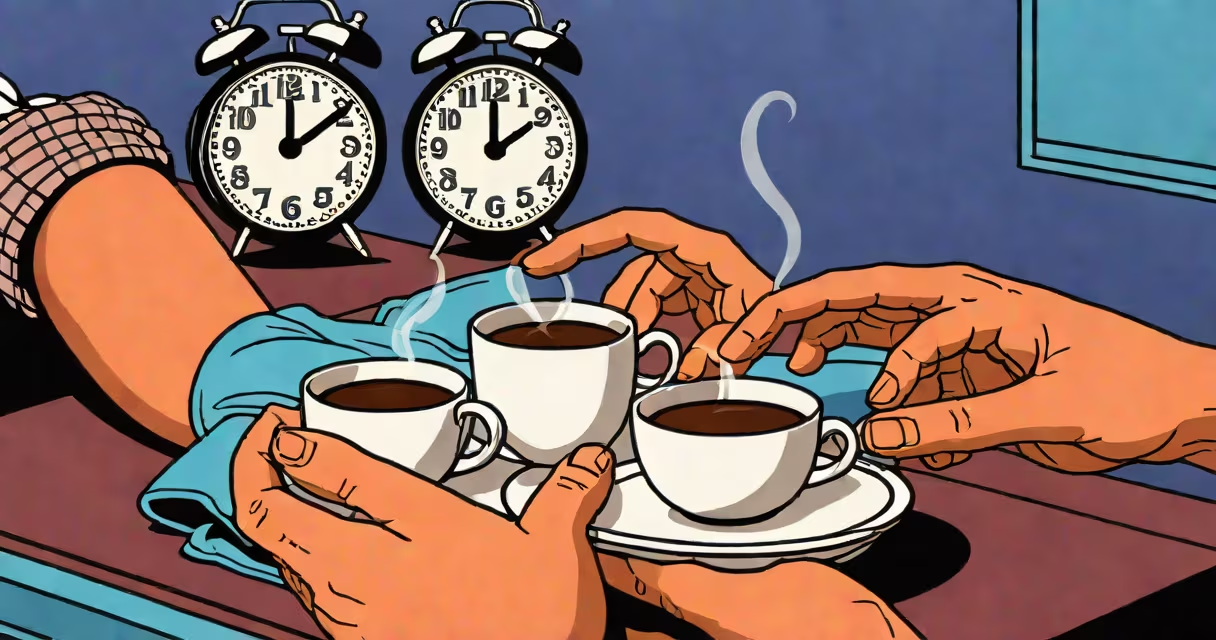
Drinking espresso before bed interferes with sleep onset, reduces slow-wave and REM sleep, and disrupts circadian rhythms due to caffeine's stimulant effects. Caffeine blocks adenosine receptors in the brain, delaying drowsiness and fragmenting sleep cycles.
Caffeine reaches peak blood concentration within 30 to 45 minutes after consumption. Its half-life-the time it takes for the body to eliminate half the dose-is typically 5 to 6 hours in adults, though genetic variation can extend this to 10 hours or more. This means that even a single espresso consumed at 9 PM may still have significant levels in your system at midnight.
For reference, a standard 1 oz (30 ml) espresso contains about 63 mg of caffeine. The American Academy of Sleep Medicine recommends avoiding caffeine intake at least six hours before bedtime to preserve sleep quality. Consuming caffeine later than this window correlates with reduced total sleep time, increased wakefulness during the night, and lower perceived sleep satisfaction.
Adenosine accumulates throughout the day, promoting drowsiness. Caffeine mimics adenosine's structure but binds to receptors without activating them, blocking the natural sleep signal. When caffeine clears, adenosine floods the system, causing a "crash" that can feel like fatigue-but it's not restorative sleep.
Studies show that consuming caffeine 6 hours before bedtime reduces total sleep time by an average of 1 hour. A 2013 study published in Sleep journal found that caffeine intake at 3 PM delayed sleep onset by nearly 40 minutes and decreased slow-wave sleep by 13%. Slow-wave sleep is critical for memory consolidation and physical recovery.
Even low doses affect individuals differently. Some people metabolize caffeine quickly due to CYP1A2 enzyme activity; others are "slow metabolizers." A 2019 study in Journal of Clinical Sleep Medicine showed that slow metabolizers experienced worse sleep efficiency and more nighttime awakenings after evening caffeine exposure.
Not all caffeinated beverages affect sleep equally. Espresso delivers concentrated caffeine in a small volume, making it easier to consume high amounts unintentionally. A double espresso (2 oz) contains ~126 mg of caffeine-nearly equivalent to two cups of brewed coffee.
| Beverage | Avg. Caffeine (per serving) | Onset Time | Half-Life |
|---|---|---|---|
| Single espresso (1 oz) | 63 mg | 15-30 min | 5-6 hrs |
| Black coffee (8 oz) | 95 mg | 20-40 min | 5-6 hrs |
| Energy drink (8 oz) | 80-120 mg | 10-20 min | 5-7 hrs |
| Dark chocolate (1 oz) | 12-20 mg | 45-60 min | 6-8 hrs |
Espresso's rapid absorption and high concentration make it particularly disruptive when consumed late. The quick spike in caffeine can trigger cortisol release, increasing alertness and heart rate-both counterproductive to relaxation.
Many assume tolerance eliminates caffeine's sleep effects. But tolerance develops to the stimulating effects, not to the disruption of sleep architecture. A 2021 review in Frontiers in Neurology confirmed that habitual caffeine users still experience reduced slow-wave sleep and fragmented sleep patterns when consuming caffeine in the afternoon or evening.
Another myth is that drinking espresso "helps you relax" because of ritual or warmth. While the sensory experience may feel comforting, the physiological impact remains unchanged. The brain doesn't distinguish between caffeine from espresso and caffeine from a tablet-it responds to blood concentration.
One non-obvious fact: caffeine can increase nighttime urination frequency. A 2018 study in European Journal of Clinical Nutrition found that participants who consumed caffeine after 6 PM reported waking twice as often to urinate compared to placebo groups. This further fragments sleep continuity.
Consider a 35-year-old office worker who drinks a double espresso at 10 PM while reading before bed. They fall asleep around 11:30 PM, but wake up at 1:15 AM with racing thoughts and a dry mouth. They return to sleep briefly but wake again at 3:45 AM. Total sleep time: 5 hours and 45 minutes. Next day, they feel fatigued, rely on morning coffee, and report poor focus.
Lab analysis shows their blood caffeine level at 1:30 AM was still 28 mg/L-well above the threshold linked to sleep disruption. Their REM sleep was reduced by 22%, and they spent 37% less time in deep sleep. These changes impair cognitive performance and emotional regulation the following day.
If you enjoy the ritual of a warm drink before bed, try decaffeinated espresso or herbal infusions like chamomile, passionflower, or valerian root. These contain compounds that promote GABA activity, supporting calmness without stimulating the nervous system.
One personal observation: I once experimented with drinking a single espresso at 8 PM during a weekend retreat focused on mindfulness. Despite feeling relaxed afterward, my sleep was fragmented. I woke four times, had vivid dreams, and felt groggy the next morning. After switching to a warm turmeric latte, sleep quality improved noticeably within two nights.
For those who crave a post-dinner ritual, a 10-minute meditation session can reduce stress hormones and improve sleep onset. Research from the University of Oxford shows that daily mindfulness practice increases sleep duration by 14 minutes on average and improves sleep efficiency by 12% over 8 weeks.
Espresso before bed is not just a bad idea-it's a direct interference with biological processes essential for health. The body's internal clock, sleep architecture, and hormonal balance all suffer when caffeine enters the system too close to bedtime. Prioritize rest by removing stimulants from your evening routine.
Understanding the science behind caffeine's impact on sleep helps explain why espresso before bed undermines rest, even if you don't feel awake. The effects are measurable, cumulative, and avoidable with simple timing adjustments.