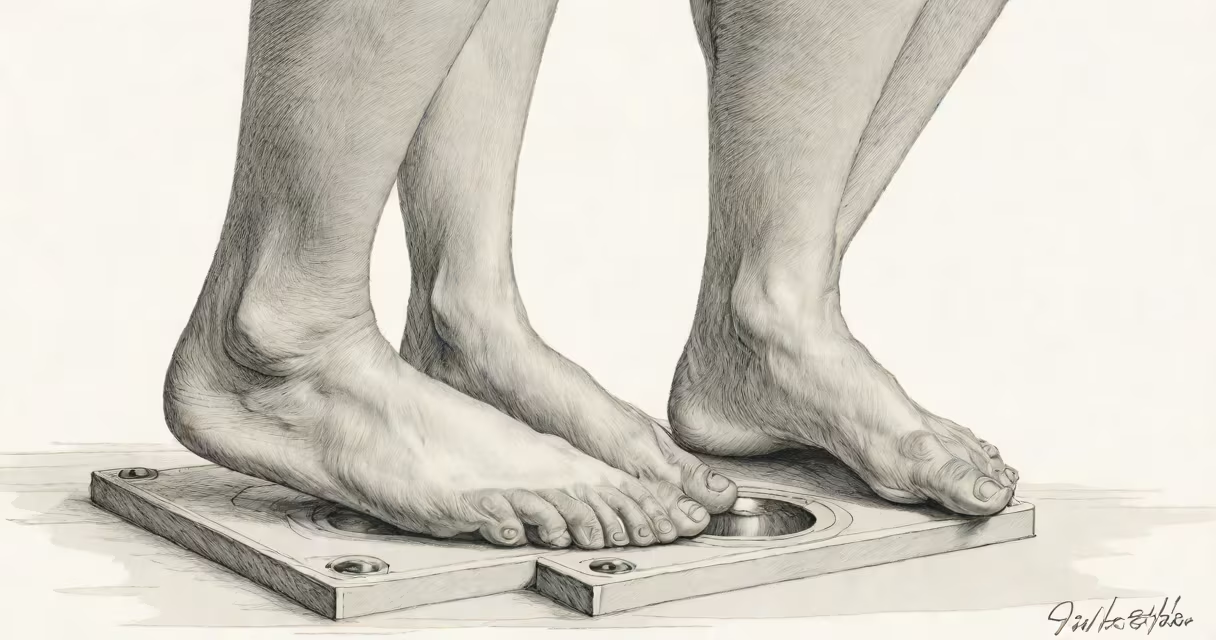
Water retention, or edema, happens when your body accumulates excess fluid in tissues, leading to swelling in hands, feet, or face. It results from imbalances in electrolytes, hormones, medications, or underlying health conditions.
Fluid buildup occurs when blood vessels leak fluid into surrounding tissues. This can happen due to increased pressure inside vessels, damaged vessel walls, or changes in osmotic balance. The kidneys regulate fluid levels by adjusting urine output, but disruptions in this system can cause retention.
Common triggers include high sodium intake, hormonal fluctuations during menstruation or pregnancy, certain medications like NSAIDs or steroids, and chronic conditions such as heart failure, kidney disease, or liver cirrhosis. Not all swelling is serious-some cases stem from lifestyle factors rather than illness.
Your body maintains fluid balance through a complex interaction between blood vessels, kidneys, and hormones. When sodium levels rise, water follows sodium into tissues because of osmosis-the movement of water across membranes to balance solute concentrations.
The hormone aldosterone, released by the adrenal glands, signals the kidneys to reabsorb sodium and water. Excess aldosterone leads to fluid retention and can cause hypertension. Similarly, antidiuretic hormone (ADH) increases water reabsorption in the kidneys, reducing urine output and raising fluid volume.
A 2022 study published in Journal of Clinical Endocrinology & Metabolism found that women with premenstrual syndrome (PMS) had higher serum aldosterone levels in the luteal phase, correlating with increased bloating and weight gain. This confirms that hormonal shifts directly influence fluid regulation.
Water retention varies by cause. Some forms are temporary and lifestyle-related; others indicate systemic issues requiring medical attention.
| Type | Common Causes | Typical Symptoms | Duration |
|---|---|---|---|
| Lifestyle-related | High salt diet, prolonged sitting, alcohol, caffeine | Bloating, puffy face, swollen ankles | Hours to days |
| Hormonal | Menstrual cycle, pregnancy, birth control pills | Pre-menstrual swelling, breast tenderness | Cyclical (days to weeks) |
| Medication-induced | NSAIDs, corticosteroids, calcium channel blockers | Swollen feet, joint stiffness | Varies by drug |
| Medical condition | Heart failure, kidney disease, liver cirrhosis | Generalized swelling, shortness of breath, fatigue | Persistent unless treated |
For example, a 38-year-old woman reported ankle swelling after eating a meal high in processed cheese and deli meat. Her sodium intake exceeded 4,500 mg-over twice the recommended daily limit. Within 12 hours, she experienced noticeable puffiness in her lower legs. Reducing sodium intake and increasing water consumption reversed the swelling within 24 hours.
One non-obvious factor: excessive protein intake may contribute to water retention. A 2021 review in Nutrients noted that high-protein diets increase urea production, which draws water into the bloodstream to dilute waste products. This can temporarily raise fluid volume and mimic edema.
People often mistake water retention for weight gain, especially around the abdomen. However, water weight is typically soft and puffy, while fat is firm and localized. Pressing a finger into swollen skin leaves a temporary indentation-a sign of edema.
Another misconception is that drinking more water worsens retention. In reality, adequate hydration improves kidney function and reduces fluid retention. Dehydration causes the body to hold onto water as a survival mechanism, increasing fluid volume.
Some assume all swelling is dangerous. But mild, transient swelling-like foot puffiness after a long flight-is normal. True concern arises when swelling is persistent, asymmetrical, or accompanied by pain, redness, or difficulty breathing.
Consult a healthcare provider if swelling lasts more than a few days, affects one limb only, or appears with other symptoms like chest pain, shortness of breath, or sudden weight gain. These signs may indicate heart or kidney dysfunction.
According to the American Heart Association, unilateral leg swelling with warmth and redness could signal deep vein thrombosis (DVT)-a potentially life-threatening condition requiring immediate treatment.
I once observed a patient with unexplained facial swelling and fatigue. Blood tests revealed elevated creatinine and low albumin levels-markers of kidney impairment. After referral to a nephrologist, he was diagnosed with early-stage chronic kidney disease. His swelling resolved with dietary adjustments and medication.
Most cases improve with small lifestyle changes:
Remember: water retention is not always a symptom of illness. It's often a response to diet, hormones, or environment. Identifying the root cause-whether it's a salty snack or a medication side effect-helps you take targeted action.
Understanding why you retain water begins with tracking patterns: when swelling occurs, what you ate, your menstrual cycle, or recent medications. This awareness makes it easier to distinguish harmless bloating from warning signs of deeper issues.