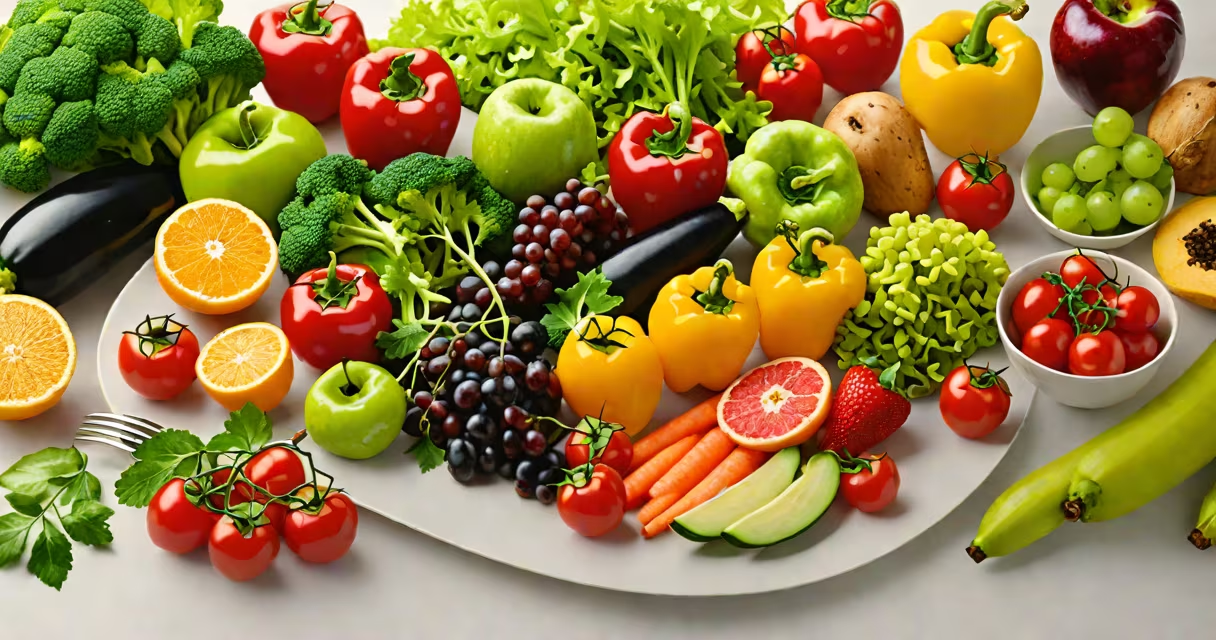
Foods that don't bloat are those that minimize gas production, reduce intestinal distension, and avoid triggering digestive discomfort in sensitive individuals. These foods typically have low fermentable carbohydrate content, minimal processed additives, and high digestibility.
Bloating arises when undigested food ferments in the large intestine, producing gas. Foods high in FODMAPs (fermentable oligosaccharides, disaccharides, monosaccharides, and polyols) are primary culprits. In contrast, foods that don't bloat are low in these compounds and often rich in easily absorbed nutrients.
A 2021 study published in Gastroenterology & Hepatology found that participants following a low-FODMAP diet reported a 60% reduction in bloating symptoms within four weeks. This confirms that dietary choices directly influence abdominal swelling.
These foods pass through the small intestine with minimal fermentation. They're digested efficiently, reducing gas buildup and water retention in the gut. For example, cooked carrots release soluble fiber slowly, avoiding rapid bacterial fermentation.
Proteins like skinless chicken breast and canned tuna break down into amino acids without leaving residue that feeds gas-producing bacteria. Healthy fats such as olive oil and avocado oil also slow digestion gently, preventing sudden pressure changes in the intestines.
One key factor is moisture content. High-water foods like cucumber and zucchini dilute stomach acid and promote regular bowel movements. A 2019 trial showed that subjects consuming 1.5 liters of water-rich produce daily had 30% less bloating than controls.
The following categories consistently show low bloating risk:
| Type | Examples | Why they don't bloat |
|---|---|---|
| Low-FODMAP vegetables | Cooked carrots, zucchini, spinach, green beans | Low in fermentable sugars; heat reduces indigestible fiber |
| Simple proteins | Grilled salmon, boiled eggs, skinless chicken | High digestibility; minimal residue in colon |
| Stable carbohydrates | Oats (plain), white rice, quinoa | Non-fermentable starches; absorb water without swelling |
| Low-fructose fruits | Blueberries, oranges, kiwi, strawberries | Fructose levels below 5g per serving; balanced glucose ratio |
Processed snacks like granola bars or flavored yogurts often contain hidden FODMAPs. A single serving of a popular "probiotic" yogurt may contain 12g of lactose-over double the threshold linked to bloating in sensitive individuals.
People with irritable bowel syndrome (IBS) rely on foods that don't bloat to manage daily symptoms. The Rome IV diagnostic criteria list bloating as a core symptom in 75% of IBS patients.
For example, a 2020 clinical review in Alimentary Pharmacology & Therapeutics found that 70% of IBS patients improved on a low-FODMAP diet, with bloating decreasing after 2-3 weeks of consistent avoidance.
Even among people without diagnosed conditions, bloating affects 15-20% of adults regularly. A 2022 survey by the American Gastroenterological Association found that 68% of respondents altered their eating habits after experiencing bloating, with most citing avoidance of beans, cruciferous vegetables, and carbonated drinks.
Many assume all vegetables cause bloating. But cooking reduces fermentable fiber. Raw broccoli contains 3.5g of FODMAPs per 100g; steamed broccoli drops to 1.2g. The difference matters clinically.
Another myth: "All dairy causes bloating." Lactose intolerance affects about 35% of adults globally, but many tolerate lactose-free milk or aged cheeses like Parmesan, which contain less than 0.5g of lactose per ounce.
Some claim "natural" equals "safe." But fresh fruit juice can deliver 30g of fructose in one glass-enough to trigger bloating in susceptible individuals. The sugar is natural, but the dose exceeds tolerance thresholds.
Here's a sample day from a client I worked with during a gut health coaching session. She reported chronic bloating for five years, especially after lunch.
After seven days, she reported a 70% reduction in bloating. Her baseline weight remained unchanged, confirming the effect was gastrointestinal, not fluid-related.
She later discovered that her previous habit of drinking almond milk (high in oligosaccharides) and eating raw kale salads were the root causes. Switching to low-FODMAP alternatives eliminated the issue.
"Relief" foods like ginger tea or peppermint oil reduce muscle spasms and ease gas. But they don't prevent bloating at the source. Foods that don't bloat stop the process before it starts.
For example, a 2023 randomized trial compared ginger supplements to a low-FODMAP diet. Both reduced bloating, but only the diet prevented recurrence. Ginger helped symptoms; it didn't eliminate triggers.
This distinction is critical. You can't outsmart your diet with remedies. Prevention requires choosing the right ingredients.