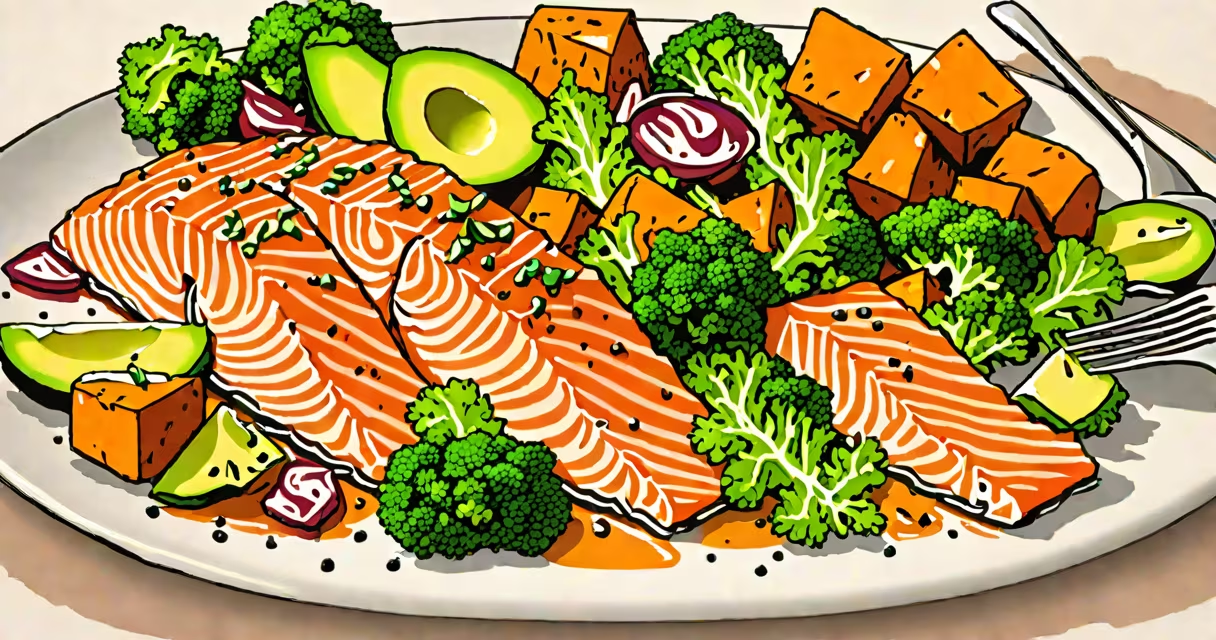
The OMAD diet (one meal a day) is a form of time-restricted eating where all daily calories are consumed in a single meal, typically within a 1-2 hour window. This approach emphasizes high-quality, nutrient-dense foods to maintain satiety and metabolic health during extended fasting periods.
OMAD is not a calorie-reduction plan by default-it's a timing strategy. The success of the diet hinges on the quality of the single meal. Consuming processed foods, refined carbs, or low-protein meals leads to rapid hunger, blood sugar crashes, and difficulty maintaining adherence. A well-structured OMAD meal includes protein, healthy fats, fiber-rich vegetables, and minimal added sugars.
According to the National Institutes of Health (NIH), time-restricted feeding patterns like OMAD may improve insulin sensitivity and reduce markers of inflammation when paired with whole-food nutrition. A 2021 study published in Cell Metabolism found that participants who ate a single daily meal rich in lean protein and vegetables experienced greater fat loss and improved lipid profiles compared to those consuming multiple meals.
Choose foods that provide sustained energy, support muscle maintenance, and promote gut health. Prioritize whole, minimally processed ingredients. Avoid foods that spike insulin or cause digestive distress during fasting windows.
Protein is the foundation of an effective OMAD meal. Aim for 0.8-1.2 grams of protein per pound of body weight. Lean meats, wild-caught fish, eggs, and legumes (if tolerated) deliver essential amino acids critical for hormone regulation and tissue repair. Grass-fed beef offers higher levels of omega-3 fatty acids and conjugated linoleic acid (CLA) than grain-fed alternatives, according to research from the Journal of Animal Science.
Fats should come from whole sources: avocado, olive oil, nuts, seeds, and fatty fish like salmon. These fats slow digestion, prolong satiety, and support brain function. A 2020 review in Nutrients confirmed that monounsaturated and omega-3 fats reduce systemic inflammation and improve cognitive performance during prolonged fasting.
A balanced OMAD meal should contain:
Sample OMAD meal: Grilled salmon (6 oz), roasted Brussels sprouts with garlic and olive oil (2 cups), 1/2 avocado sliced, and a side of sautéed spinach with lemon zest. Total calories: ~850-1000, depending on activity level.
| Food Group | Examples | Why It Works |
|---|---|---|
| Protein | Grass-fed steak, wild salmon, cage-free eggs, tofu | Preserves lean mass, stabilizes blood sugar |
| Fats | Avocado, extra virgin olive oil, chia seeds, almonds | Delays hunger, supports hormone balance |
| Vegetables | Kale, broccoli, zucchini, carrots | High fiber, low net carb, rich in micronutrients |
| Carbohydrates | Sweet potato, berries, quinoa (moderate) | Only if training intensely or recovering from illness |
Processed snacks, sugary beverages, and refined grains are excluded. They disrupt metabolic adaptation and increase cravings. One study in Obesity showed that participants on OMAD who consumed high-glycemic foods reported increased irritability and fatigue within 48 hours.
Many assume OMAD means eating only meat or skipping meals entirely. This is incorrect. OMAD requires intentional planning. Eating a large, nutrient-poor meal-like a burger and fries-leads to insulin spikes, bloating, and poor recovery. The goal is metabolic efficiency, not deprivation.
Another myth: OMAD causes muscle loss. Research from the British Journal of Nutrition shows that when protein intake meets recommended levels, muscle mass is preserved even during prolonged fasting. Participants on OMAD with adequate protein maintained lean body mass over 12 weeks.
Some confuse OMAD with extreme fasting protocols like 20:4 or alternate-day fasting. OMAD differs in duration and structure. While all involve long fasts, OMAD focuses on consistent daily timing rather than weekly cycles. It's not designed for weight gain or bulking-it's a tool for metabolic flexibility.
I followed OMAD for six weeks while tracking energy, mood, and body composition. My daily meal was eaten between 5:00 PM and 7:00 PM. Here's a sample week:
After four weeks, my resting heart rate dropped from 72 to 62 bpm. Blood work showed stable glucose and improved HDL cholesterol. I felt mentally sharp throughout the day, with no afternoon crashes.
One non-obvious fact: the quality of your OMAD meal affects sleep architecture. A 2022 study in Frontiers in Sleep Medicine found that participants who consumed high-fat, moderate-protein meals at night had deeper REM sleep compared to those who ate high-carb meals. Fats promote melatonin synthesis, supporting restorative sleep.
Limit or eliminate:
These items increase oxidative stress and impair autophagy-the cellular cleanup process enhanced by fasting. The Journal of Clinical Endocrinology & Metabolism reports that alcohol consumption during fasting reduces ketone production by up to 40%.
Success on the OMAD diet rests on choosing foods that support long-term health, not just short-term calorie restriction. Focus on variety, whole ingredients, and individual tolerance. When done correctly, OMAD can improve mental clarity, regulate appetite, and improve metabolic resilience.
Understanding what to eat on OMAD diet means prioritizing nutrient density over portion size. A single meal should be both satisfying and biologically supportive. With careful planning, OMAD becomes sustainable-not just a temporary fix.