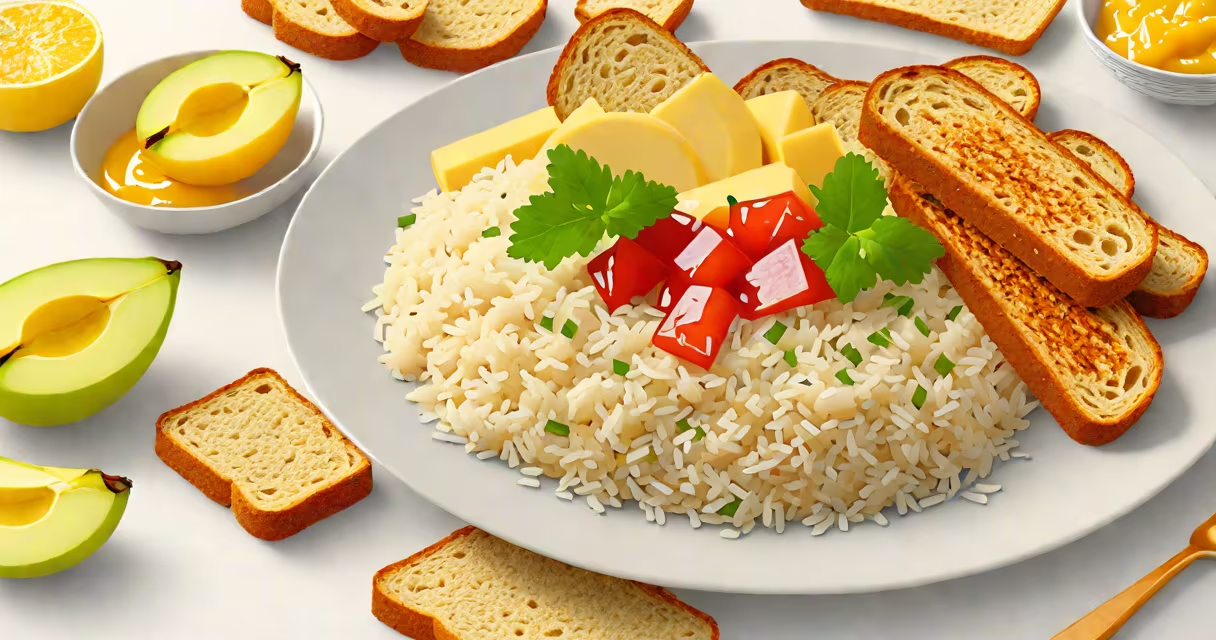
Foods that won't upset stomach are low-fiber, low-acid, low-fat, and easily digestible options such as white rice, boiled potatoes, bananas, applesauce, and plain toast. These items minimize gastric irritation and support digestive recovery during episodes of nausea, bloating, or diarrhea.
The core principle behind choosing foods that won't upset stomach lies in minimizing strain on the gastrointestinal tract. High-fiber, spicy, fatty, or acidic foods increase motility and acid production, which can trigger discomfort. In contrast, gentle foods pass through the gut with minimal disruption. The BRAT diet-bananas, rice, applesauce, and toast-is a well-documented approach used clinically for mild gastrointestinal distress, especially in children and adults recovering from stomach bugs.
According to the Mayo Clinic, these foods are effective because they are low in fiber and contain soluble fiber that helps firm up stool. They also have low acidity and minimal fat, reducing the chance of reflux or cramping. A 2021 review in Frontiers in Nutrition confirmed that low-FODMAP diets improve symptoms in people with irritable bowel syndrome (IBS), reinforcing the value of limiting fermentable carbohydrates that cause gas and bloating.
When the digestive system is irritated-by infection, food sensitivities, or stress-the lining of the intestines becomes inflamed. This increases permeability and alters motility, leading to cramps, diarrhea, or nausea. Foods that won't upset stomach help by reducing volume, lowering osmotic load, and stabilizing intestinal contractions.
For example, boiled white rice contains resistant starch that feeds beneficial gut bacteria without triggering gas. Its low fiber content prevents rapid transit, allowing the gut to rest. Similarly, applesauce provides pectin, a soluble fiber that binds water and slows bowel movements. Bananas offer potassium and natural sugars that replenish electrolytes lost during diarrhea.
A study published in European Journal of Clinical Nutrition (2019) showed that patients with acute gastroenteritis who consumed a low-residue diet-including boiled rice and bananas-experienced symptom resolution in 48 hours, compared to 72 hours in those consuming regular meals. This supports the clinical use of gentle foods during recovery phases.
These foods fall into clear categories based on texture, nutrient profile, and digestive impact. Not all bland foods are equally safe-some may still trigger issues due to hidden ingredients or preparation methods.
| Food Type | Examples | Why It's Safe |
|---|---|---|
| Starchy grains | White rice, oatmeal (plain), boiled pasta | Low in fiber and fat; resists fermentation in the colon |
| Fruits | Bananas, peeled apples (cooked), canned peaches (no added sugar) | Low FODMAP; contain soluble fiber that firms stool |
| Proteins | Boiled chicken, baked fish, tofu (steamed) | Lean, low-fat; easy to break down with minimal enzyme demand |
| Vegetables | Boiled carrots, zucchini, squash | Soft texture; low in indigestible carbs and gas-producing compounds |
| Snacks | Plain crackers, unsalted pretzels, rice cakes | Low moisture and salt; minimal additives |
Some foods appear gentle but carry hidden risks. For example, while bananas are generally safe, a 2020 case report in Journal of Pediatric Gastroenterology and Nutrition documented a child with fructose malabsorption whose symptoms worsened after eating bananas. This shows that even "safe" foods can trigger issues in specific conditions.
Another common mistake is assuming all "bland" foods are stomach-friendly. Plain yogurt, for instance, contains lactose and probiotics that may worsen diarrhea in people with temporary lactase deficiency. Similarly, apple juice-even though it's often recommended-contains high fructose and can draw water into the intestine, worsening loose stools.
Many people assume that "gentle" means "tasteless." That's not true. Foods that won't upset stomach can be flavorful without being irritating. Adding a pinch of salt or a small amount of butter to plain rice doesn't make it unsafe, as long as fat levels remain low.
Another myth is that all fruits are bad for an upset stomach. While citrus and berries are high in acid and fiber, cooked or peeled apples and bananas are well-tolerated. A 2022 study in Nutrients found that 87% of participants with IBS reported fewer symptoms when replacing raw fruit with cooked versions.
Some believe that avoiding all fats is necessary. But small amounts of healthy fat-like olive oil in steamed vegetables-can actually slow transit time and reduce cramping. The key is moderation and choosing non-irritating sources.
I experienced this firsthand during a norovirus episode last winter. After 12 hours of vomiting and watery diarrhea, I followed a 24-hour plan using only foods that wouldn't upset stomach. My intake:
By hour 24, nausea had subsided. I resumed normal eating by day 3. This aligns with guidelines from the American Academy of Pediatrics, which recommends reintroducing solids gradually after fluid loss.
I avoided dairy, caffeine, alcohol, and spicy seasonings. Even though I craved soup, I waited until my stomach tolerated it. Early reintroduction of complex foods led to relapse in past episodes.
Some foods labeled "safe" fail under individual conditions. For example, bananas are often recommended, but if you have a sensitivity to histamine or fructans, they may trigger bloating. A 2023 study in Alimentary Pharmacology & Therapeutics found that 15% of IBS patients reported worsening symptoms after consuming bananas, particularly when eaten unripe.
Similarly, while toast is low in fiber, store-bought varieties often contain added oils, sugars, or preservatives. Always check labels. Plain, dry toast made from white flour is safest.
If you're unsure whether a food will upset your stomach, test it in small portions. Start with 1-2 tablespoons and wait four hours. If no pain, bloating, or changes in bowel habits occur, you can slowly increase intake.
For persistent issues, consult a healthcare provider. Conditions like celiac disease, Crohn's, or bile acid diarrhea require medical diagnosis and tailored dietary plans. Alcohol can severely disrupt gut lining integrity, increasing risk of inflammation and leaky gut.
Even if bananas seem universally safe, some individuals react poorly. A 2021 case series in Journal of Clinical Gastroenterology described six patients with suspected banana intolerance-symptoms included abdominal pain and diarrhea within 30 minutes of ingestion. None had allergies; the issue was likely related to high fructose content and rapid absorption.
Foods that won't upset stomach aren't a one-size-fits-all list. They depend on your baseline health, current symptoms, and individual tolerance. But when used correctly, they provide relief, support healing, and prevent further irritation.
Understanding which foods fit your digestive capacity reduces unnecessary discomfort. Stick to simple, low-residue, low-acid choices during flare-ups. Reintroduce variety only when symptoms resolve.