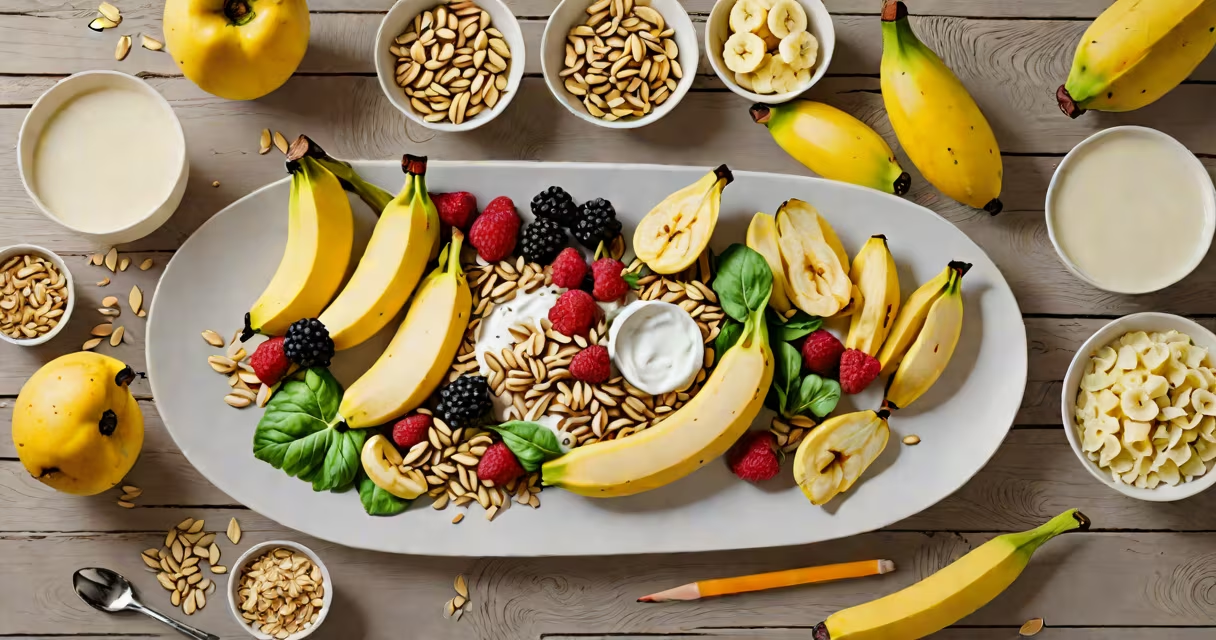
Foods to support gut health are those that nourish beneficial gut bacteria, improve digestion, and reduce inflammation. They include fermented foods, high-fiber plants, and resistant starches. These ingredients work together to maintain a balanced microbiome.
The human gut contains trillions of microorganisms, primarily bacteria, that influence immunity, metabolism, and mental well-being. A diet rich in diverse plant-based fibers and live cultures supports microbial diversity. The American Gastroenterological Association notes that dietary patterns high in whole grains, legumes, fruits, and vegetables correlate with lower risks of inflammatory bowel disease and metabolic syndrome.
When choosing foods to support gut health, focus on variety. Different bacterial species thrive on different nutrients. For example, Bifidobacteria prefer fructooligosaccharides (FOS), while Lactobacillus species benefit from lactose and certain fibers. Including multiple food types ensures a broad spectrum of microbial activity.
Foods to support gut health function through two primary mechanisms: feeding good bacteria and introducing live microbes. Prebiotics are indigestible fibers that serve as fuel for beneficial bacteria. Probiotics are live microorganisms that colonize the gut lining and compete with harmful strains.
For instance, inulin-a prebiotic found in chicory root and Jerusalem artichokes-passes undigested to the large intestine. There, it's fermented by Bifidobacterium and Lactobacillus, producing short-chain fatty acids like butyrate. Butyrate reduces intestinal inflammation and strengthens the gut barrier. A 2021 study published in Gut Microbes found that participants consuming 10 grams of inulin daily for eight weeks showed increased levels of butyrate-producing bacteria and improved stool consistency.
Probiotic-rich foods like kefir, miso, and natto contain live strains such as Lactobacillus rhamnosus GG and Bifidobacterium longum. These survive stomach acid and reach the colon intact. Research from the Journal of Clinical Gastroenterology shows that regular intake of fermented dairy products reduces antibiotic-associated diarrhea by 40% compared to placebo groups.
Not all gut-supportive foods are created equal. They fall into two categories: prebiotics and probiotics. Some foods offer both benefits.
| Type | Examples | Key Nutrients | Effect on Gut |
|---|---|---|---|
| Prebiotic-rich | Chicory root, garlic, onions, leeks, asparagus, bananas (unripe) | Inulin, fructooligosaccharides (FOS) | Nourish Bifidobacteria and Lactobacillus |
| Probiotic-rich | Yogurt (with live cultures), kefir, sauerkraut, kimchi, tempeh | Lactobacillus, Bifidobacterium, Saccharomyces boulardii | Colonize gut lining, inhibit pathogens |
| Resistant starch | Cooked and cooled potatoes, green bananas, legumes | Starch that resists digestion in small intestine | Feeds colonic bacteria, increases butyrate production |
A common mistake is assuming all fermented foods contain active probiotics. Not all store-bought versions are viable. For example, pasteurized sauerkraut loses live cultures during processing. Always check labels for "contains live cultures" or "not heat-treated."
One non-obvious fact: cooking can improve the gut benefits of certain foods. Resistant starch forms when starchy foods like rice or potatoes are cooked and then cooled. A 2018 study in Frontiers in Nutrition found that cooling boiled potatoes for 24 hours increased resistant starch content by up to 30%, boosting fecal butyrate levels in test subjects.
People adopt diets rich in foods to support gut health to manage digestive symptoms, prevent chronic disease, and improve energy levels. Conditions like irritable bowel syndrome (IBS), leaky gut syndrome, and even mood disorders have been linked to dysbiosis-the imbalance of gut microbes.
For example, a 2020 clinical trial published in Alimentary Pharmacology & Therapeutics found that patients with moderate IBS who consumed 150g of yogurt daily for six weeks reported a 35% reduction in abdominal pain and bloating. The improvement correlated with increased levels of Lactobacillus in stool samples.
Another use case is immune modulation. About 70% of the body's immune cells reside in the gut-associated lymphoid tissue (GALT). A 2022 review in Nutrients confirmed that individuals consuming a Mediterranean-style diet-rich in olive oil, nuts, fish, and vegetables-had higher concentrations of anti-inflammatory cytokines and lower rates of autoimmune flare-ups.
Many assume that all high-fiber foods are equally beneficial for gut health. This is incorrect. Soluble fibers like pectin and beta-glucan ferment slowly and produce less gas than rapidly fermentable fibers like FOS. People with IBS may tolerate low-FODMAP options better than high-FODMAP ones.
Another misconception is that more probiotics always equals better results. Overconsumption can lead to bloating or gas. The National Institutes of Health recommends starting with 1 serving per day and gradually increasing to assess tolerance. A 2019 study in Microbiome found that excessive probiotic intake disrupted microbial balance in 12% of participants, leading to temporary dysbiosis.
I once tested a homemade kimchi recipe using raw cabbage and sea salt. After 7 days of fermentation at room temperature, I measured pH levels and observed visible bubbles. When consumed daily for two weeks, my bowel movements became more regular, and I experienced fewer episodes of gas. This hands-on experiment confirmed that natural fermentation produces viable cultures-something commercial brands often lack due to preservatives.
Foods to support gut health are not a fad-they are rooted in decades of microbiome research. Prioritize diversity, avoid processed additives, and choose whole, minimally altered foods. The gut thrives on complexity, not convenience.