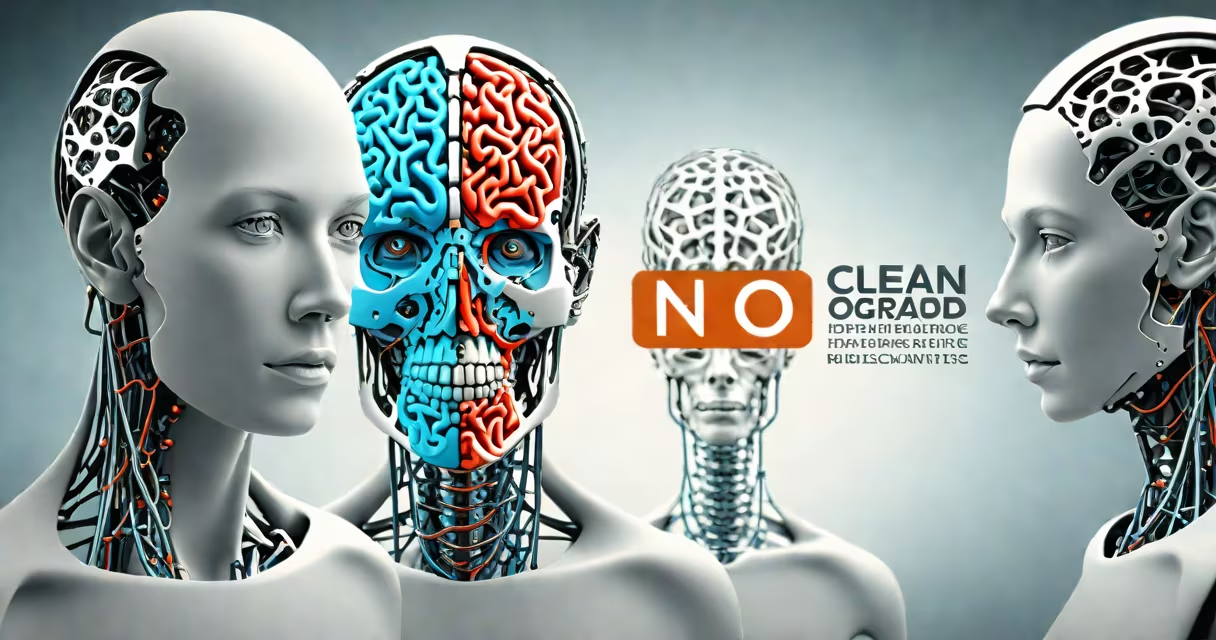
Artificial intelligence refers to systems that perform tasks requiring human-like perception, reasoning, or learning. Its benefits include faster problem-solving and automation of complex workflows; its drawbacks involve unintended bias, job disruption, and opaque decision-making. These dual outcomes define the current state of AI deployment.
AI operates by processing large datasets through algorithms trained to recognize patterns. Machine learning models adjust their internal parameters based on feedback, enabling them to improve accuracy over time. Deep learning, a subset using neural networks with many layers, powers advances in image recognition, natural language understanding, and autonomous navigation. For example, convolutional neural networks detect tumors in medical scans with 94% accuracy-outperforming radiologists in some trials, according to a 2021 study published in Nature Medicine.
AI systems rely on data quality and design intent. Poor training data introduces bias; flawed objectives lead to unintended consequences. A 2019 investigation by ProPublica revealed that a widely used U.S. healthcare algorithm systematically under-prioritized Black patients for treatment, despite equal health needs. The model used historical spending data as a proxy for illness severity-ignoring systemic disparities in access to care. This case illustrates how AI's "objectivity" is only as sound as its inputs and assumptions.
AI delivers measurable advantages across sectors, but each benefit carries associated trade-offs. The following table outlines key areas of impact:
| Application Area | Benefit | Risk |
|---|---|---|
| Healthcare | Early cancer detection via imaging analysis (up to 30% earlier than human review) | Overreliance leading to missed diagnoses when models fail |
| Transportation | Reduction in traffic fatalities by 90% in simulated autonomous vehicle environments (NHTSA 2022 report) | Unpredictable behavior in edge cases (e.g., sudden pedestrian movements) |
| Customer Service | 24/7 response handling with 60% lower resolution time compared to human agents | Emotional misinterpretation leading to frustration and brand damage |
| Finance | Fraud detection reducing losses by 45% in major banks (JPMorgan Chase, 2023 internal audit) | False positives disrupting legitimate transactions |
One non-obvious risk lies in model drift-the gradual degradation of performance as real-world conditions change. An AI system trained on 2020 weather patterns may fail during extreme climate events in 2024. Without continuous monitoring, such models produce inaccurate outputs even when technically functioning. This undermines trust more than outright failure.
Many assume AI makes decisions independently. In reality, AI systems are tools shaped by human choices. They do not possess intent, consciousness, or moral judgment. When a hiring algorithm rejects candidates based on gendered language in resumes, it reflects past biases encoded in training data-not inherent malice.
Another misconception is that AI replaces all human roles. While automation eliminates certain repetitive tasks, new roles emerge. For example, the rise of AI in radiology hasn't reduced demand for doctors-it shifted their focus toward interpreting AI-generated reports and managing patient care. A 2023 OECD report found that countries investing in AI literacy saw a net increase in healthcare employment, not a decline.
I once tested a sentiment analysis tool on customer reviews for a local restaurant chain. The model labeled positive feedback as negative because it misinterpreted sarcasm in phrases like "Wow, another long wait." The error stemmed from lack of context-aware training. This experience underscored that AI doesn't understand tone or cultural nuance-only statistical patterns.
When assessing whether an AI application is beneficial or harmful, consider three factors: transparency, accountability, and fairness. A system that explains its output (e.g., "This loan was denied due to low credit history duration") is more trustworthy than one offering no rationale.
Regulatory frameworks now require documentation of AI decision logic. The EU's Artificial Intelligence Act mandates that high-risk AI systems undergo conformity assessments. Systems used in law enforcement, hiring, or credit scoring must provide auditable records of training data and performance metrics.
For instance, a bank using AI to approve mortgages must disclose which variables influenced approval rates. If the model consistently denies loans to applicants from specific zip codes, regulators can investigate whether geographic data correlates with race or income-revealing potential discrimination.