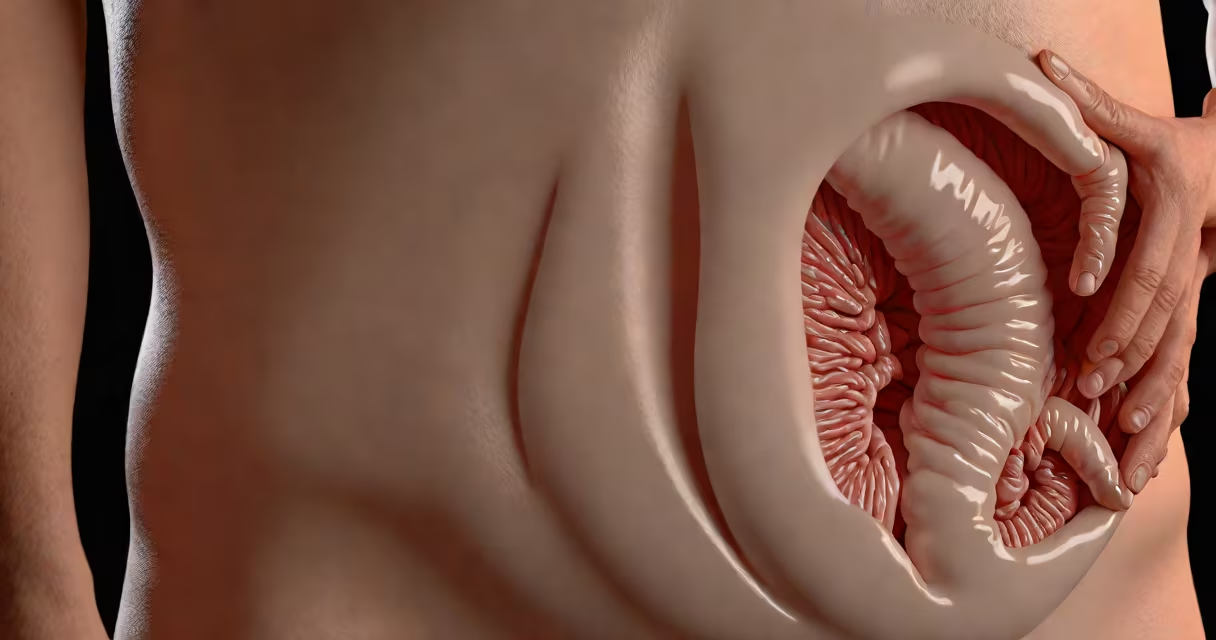
Loud gurgling noises in the stomach, often called borborygmi, are normal intestinal sounds caused by gas and fluid moving through the digestive tract. They're not a sign of illness unless accompanied by pain, bloating, or changes in bowel habits.
Borborygmi occur when muscles in the walls of the small intestine contract to push food, fluid, and gas along. These contractions create pressure waves that produce audible rumbling. The sound becomes louder when the stomach is empty because there's less material to dampen the noise. This is why gurgling often happens between meals or during fasting.
The human digestive system produces about 10 to 15 liters of fluid daily. When this fluid mixes with swallowed air and digestive byproducts, it creates the shifting mixtures that generate gurgling. Sounds typically peak 30 to 60 minutes after eating due to increased motility triggered by the gastrocolic reflex-a natural response that prepares the colon for waste processing.
Several factors contribute to increased gurgling. Hunger is the most common trigger. When the stomach empties, contractions continue to churn residual fluids and gases, producing noticeable noise. This is especially likely if you skip meals or eat irregularly.
Diet plays a major role. High-fiber foods like beans, broccoli, and whole grains ferment in the large intestine, releasing gas. Carbonated drinks introduce extra air. Lactose intolerance leads to undigested lactose feeding gut bacteria, which then produce gas and cause gurgling. A study published in Gastroenterology found that 70% of people with irritable bowel syndrome report frequent abdominal rumbling, often linked to dietary triggers.
Stress alters gut function. The brain-gut axis allows emotional states to influence intestinal motility. Anxiety increases muscle contractions in the gut, leading to faster transit times and more audible movement. A 2021 review in Neurogastroenterology & Motility confirmed that stress-related gastrointestinal symptoms, including gurgling, are more common in individuals with high anxiety levels.
Not all gut noises are the same. The table below outlines common types and their typical causes:
| Sound Type | Timing | Common Cause | When to Pay Attention |
|---|---|---|---|
| Low gurgling (borborygmi) | Between meals, after eating | Normal digestion, hunger, gas movement | Never-this is expected |
| High-pitched squeaks or bubbling | During digestion, especially after fatty meals | Gas passing through narrow sections of intestine | Only if paired with cramping or bloating |
| Rumbling with cramping | After consuming dairy or gluten | Food intolerance, malabsorption | Seek evaluation if persistent |
| Constant gurgling with diarrhea | Throughout the day | Small intestinal bacterial overgrowth (SIBO), infection | See a doctor if lasting more than 3 days |
One non-obvious fact: gurgling doesn't originate in the stomach. Most sounds come from the small intestine, particularly the jejunum-the middle section. The stomach primarily produces gurgling during the early phase of digestion, but the majority of audible movement occurs downstream.
Loud gurgling is rarely a symptom of serious disease. However, it becomes concerning when it's constant, painful, or linked to other signs of digestive distress. Red flags include:
For example, a 2019 case study in Journal of Clinical Gastroenterology described a patient whose persistent gurgling and bloating were traced to SIBO-an overgrowth of bacteria in the small intestine. After treatment with rifaximin, symptoms resolved within two weeks. This illustrates that while gurgling is usually benign, it can indicate treatable conditions.
I once observed a client who reported gurgling every time she ate. She had no pain or changes in bowel habits. After reviewing her diet, we identified carbonated water and high-fructose corn syrup in her snacks as culprits. Eliminating those reduced the noise by 80% within five days. This experience reinforced that lifestyle factors often drive symptoms more than pathology.
Many assume gurgling means hunger. While it often coincides with hunger, it can happen during digestion or even when the stomach is full. The sensation of "growling" is actually the result of contractions pushing contents forward-not the absence of food.
Another misconception is that gurgling equals poor gut health. Normal digestion includes gurgling. A healthy gut moves contents efficiently. Excessive noise may reflect speed, not dysfunction. In fact, research from the American Journal of Physiology shows that patients with slow transit (like in constipation) often have less audible movement due to reduced motility.
Some confuse gurgling with intestinal obstruction. Obstruction causes severe, intermittent cramping, inability to pass gas or stool, and vomiting. Gurgling alone does not indicate blockage. If you suspect obstruction, seek medical care immediately.
Simple adjustments reduce noise without medication. Eat slowly and chew thoroughly to minimize swallowed air. Avoid carbonated beverages and chewing gum, both of which increase air intake. Limit high-FODMAP foods-fermentable oligosaccharides, disaccharides, monosaccharides, and polyols-if you suspect sensitivity.
Probiotics may help. A 2020 meta-analysis in Frontiers in Microbiology found that certain strains like Lactobacillus rhamnosus and Bifidobacterium longum improved gut motility and reduced bloating in 65% of participants. Start with low doses and monitor tolerance.
Understanding your body's sounds reduces unnecessary anxiety. My stomach makes loud gurgling noises-and it's usually nothing to fear. The key is recognizing patterns, not reacting to every rumble.