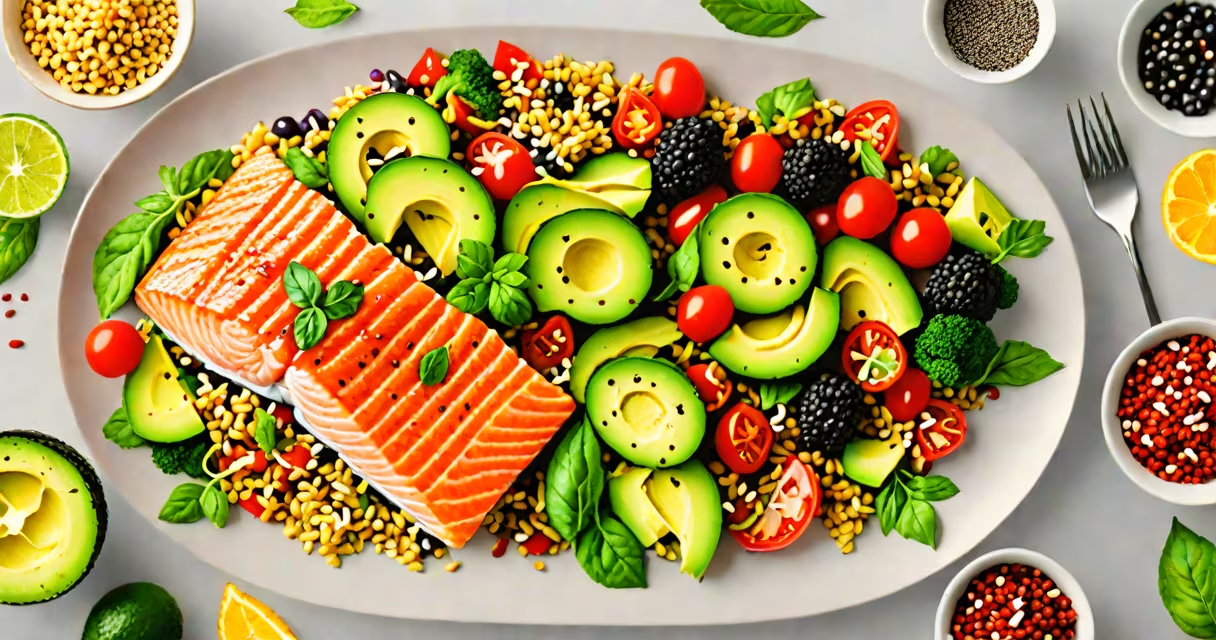
Healthy foods and recipes to lose weight combine high-fiber, protein-rich, and minimally processed ingredients to create meals that promote satiety, stabilize blood sugar, and reduce calorie intake. These meals are designed to support sustainable fat loss without extreme restriction.
Weight loss occurs when energy intake is less than energy expenditure. Healthy foods and recipes to lose weight achieve this by emphasizing whole, unprocessed components that require more energy to digest and provide lasting fullness. A 2022 study published in The American Journal of Clinical Nutrition found that diets rich in whole grains, legumes, nuts, and vegetables led to greater fat loss over 12 months compared to low-fat or low-carb approaches, even without strict calorie counting.
These meals prioritize volume and nutrient density. For example, a cup of cooked lentils contains 18 grams of protein and 16 grams of fiber-nutrients that slow digestion and reduce hunger between meals. The same volume of white rice offers nearly no fiber and minimal protein. Choosing the right ingredients directly influences metabolic efficiency and long-term adherence.
These meals function through multiple physiological mechanisms. High-protein foods increase thermogenesis-the energy required to process food-raising daily calorie burn by 15-30%. Fiber slows gastric emptying, prolonging fullness and reducing spontaneous snacking. Both effects lower net daily caloric intake without conscious effort.
Research from the National Institutes of Health shows that individuals consuming 30 grams of fiber daily lost more visceral fat than those eating under 15 grams. This effect is amplified when fiber comes from whole plant sources like beans, oats, and leafy greens rather than supplements.
A common mistake is equating "healthy" with "low-calorie." While some healthy foods are low in calories, others-like avocados and nuts-are energy-dense but beneficial due to their monounsaturated fats and micronutrient profiles. These fats improve insulin sensitivity and reduce inflammation, both linked to reduced abdominal fat accumulation.
Effective weight-loss meals fall into four categories based on macronutrient balance and metabolic impact:
| Type | Key Ingredients | Why It Works | Sample Meal |
|---|---|---|---|
| High-Protein, Low-Carb | Grilled chicken, eggs, tofu, Greek yogurt | Increases satiety and preserves lean mass during fat loss | Scrambled eggs with spinach and feta; side of grilled salmon |
| High-Fiber, Plant-Based | Lentils, chickpeas, quinoa, broccoli, berries | Slows digestion, reduces insulin spikes, supports gut health | Chickpea and kale stew with whole-grain flatbread |
| Balance-Moderate | Oats, sweet potatoes, almonds, black beans | Provides steady energy and sustained fullness | Oatmeal with chia seeds, sliced banana, and almond butter |
| Low-Glycemic, Anti-Inflammatory | Fatty fish, turmeric, green tea, walnuts | Reduces systemic inflammation linked to fat storage | Baked cod with sautéed kale and garlic-infused olive oil |
Each category targets different aspects of metabolism. High-protein meals are effective for short-term appetite control. High-fiber plant-based options support long-term gut microbiome diversity, which correlates with lower BMI in longitudinal studies.
One non-obvious fact: Not all high-protein diets are equal. A 2021 meta-analysis in BMJ Open found that plant-based proteins were associated with 10% greater fat loss over 6 months compared to animal-based sources, even when total protein intake was matched. This difference may stem from phytonutrients and fiber co-consumed with plant proteins.
Many people believe that eliminating entire food groups-like carbs or fats-is necessary for weight loss. This approach often leads to rebound weight gain. The Centers for Disease Control and Prevention recommends balanced intake across all food groups, emphasizing variety and portion control.
Another error is focusing solely on calorie counts while ignoring food quality. A 200-calorie snack of dried fruit and nuts provides more nutrients and longer-lasting fullness than a 200-calorie granola bar with added sugars and refined flour. The latter causes rapid glucose spikes and crashes, increasing cravings.
Some assume that "diet" or "weight-loss" labeled products are healthier. A 2023 FDA review found that 68% of packaged "light" or "reduced-fat" foods contained higher levels of added sugars or sodium to compensate for flavor loss. Always check ingredient lists and avoid products with more than 5 grams of added sugar per serving.
Consider a 35-year-old woman aiming to lose 1 pound per week. Her baseline maintenance is 2,000 kcal/day. She adopts a meal plan centered on healthy foods and recipes to lose weight:
Her average daily intake: ~1,800 kcal. Over 4 weeks, she loses 4 pounds-within the recommended 1-2 lbs/week range. She reports improved energy, better sleep, and reduced cravings. Her blood tests show stable insulin and triglyceride levels.
This example demonstrates that sustainable weight loss doesn't require extreme measures. It relies on consistent choices aligned with biological needs-not willpower.