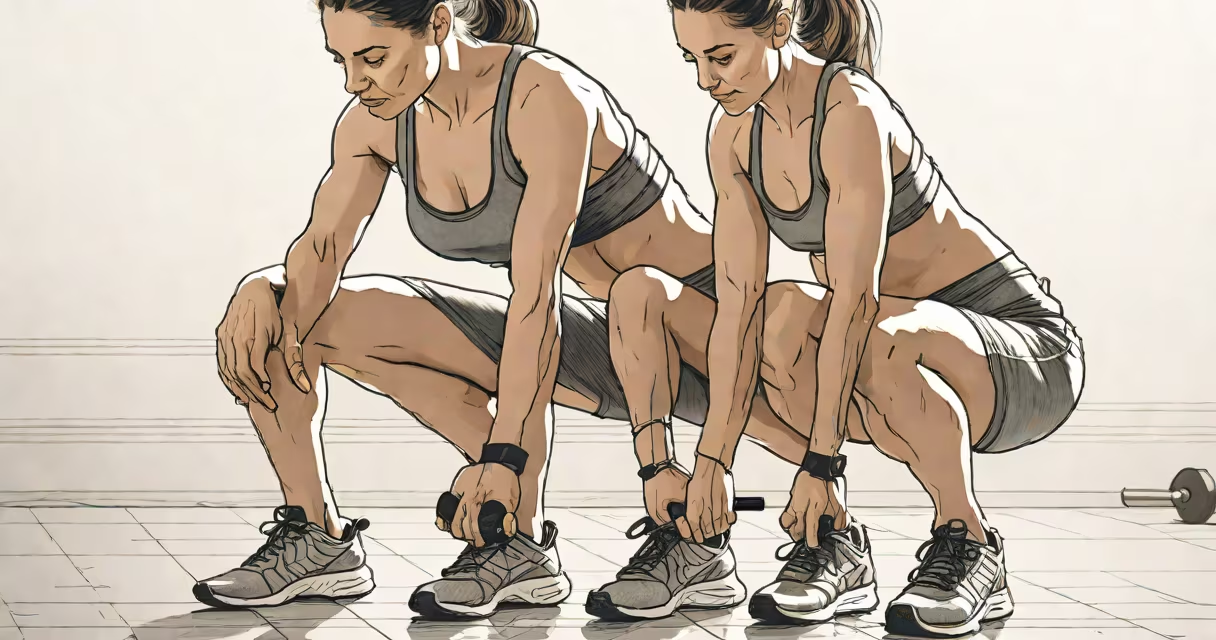
Losing thigh fat involves reducing body fat through consistent strength training, cardiovascular exercise, and calorie-controlled nutrition. Spot reduction-targeting fat loss in one area-is not scientifically supported. Fat loss occurs systemically, meaning the body draws from fat stores across the entire body, including the thighs, when in a caloric deficit.
Body fat distribution is influenced by genetics, hormones, and sex. Women typically store more fat in the hips and thighs due to estrogen's role in fat deposition. This makes thigh fat more resistant to change compared to other areas. To reduce thigh fat, focus on lowering total body fat percentage through proven methods rather than isolating the legs.
A 2021 study published in Obesity found that participants who combined resistance training with moderate-intensity cardio lost an average of 4.5% body fat over 12 weeks, with measurable reductions in thigh circumference. The study emphasized that fat loss was distributed across the body, not localized. Results were consistent regardless of whether exercises focused on the lower body or included full-body routines.
When you consume fewer calories than your body burns, it begins using stored fat for energy. Adipose tissue in the thighs releases fatty acids into the bloodstream. These are transported to muscles and organs, where they're metabolized for fuel. The process is systemic-your body doesn't choose which fat cells to break down based on location.
For example, a person consuming 1,800 calories daily while burning 2,300 will create a 500-calorie deficit. Over time, this leads to approximately 1 pound of fat loss per week. That fat comes from everywhere-abdomen, arms, thighs, and back. Thigh fat may shrink faster or slower depending on individual metabolism and hormone levels, but it won't disappear solely from leg workouts.
Research from the American Council on Exercise (ACE) confirms that localized fat loss is a myth. A 2019 review of 26 studies showed no significant difference in fat loss between groups performing isolated leg exercises versus full-body routines, despite higher local muscle activation in the leg-only group.
Focus on total-body strategies that promote fat loss. Combine resistance training, steady-state cardio, and dietary control. These elements work together to increase metabolic rate and improve body composition.
Strength Training: Exercises like squats, lunges, deadlifts, and step-ups build muscle in the glutes, quads, hamstrings, and calves. Muscle increases resting metabolic rate, meaning you burn more calories even at rest. Perform compound movements 3 times per week, using progressive overload to challenge muscles.
Cardiovascular Exercise: Aim for 150 minutes of moderate-intensity cardio weekly. Brisk walking, cycling, swimming, or jump rope are effective. A 2020 study in Journal of Sports Science & Medicine found that participants doing 30 minutes of cycling five days a week lost 3.2% body fat over eight weeks, with 1.8 cm reduction in thigh circumference.
Nutrition: Create a sustainable calorie deficit. Track intake using apps like MyFitnessPal or Cronometer. Prioritize protein (1.6-2.2g per kg of body weight), fiber-rich vegetables, whole grains, and healthy fats. Avoid processed foods and sugary drinks. A 2022 clinical trial showed that high-protein diets led to greater fat loss and better preservation of lean mass during weight reduction.
| Method | Frequency | Duration | Expected Outcome |
|---|---|---|---|
| Full-body strength training | 3x/week | 45 minutes | Increased muscle mass, improved metabolism |
| Brisk walking or cycling | 5x/week | 30 minutes | 500 kcal burn/week, gradual fat loss |
| Calorie-controlled diet (deficit of 500 kcal/day) | Daily | Long-term | ~1 lb fat loss/week, includes thigh reduction |
Many people believe that doing 100 squats daily will melt thigh fat. This is incorrect. While squats strengthen and tone the quadriceps, they do not burn enough calories to cause significant fat loss. A 100-rep squat session burns about 150-200 calories-equivalent to a 15-minute walk.
Another error is relying on "fat-burning" supplements or devices like vibration plates. The FDA has not approved any supplement for targeted fat loss. A 2021 analysis in Frontiers in Nutrition found no evidence that fat-burning supplements lead to meaningful fat reduction beyond placebo effects.
One non-obvious fact: women often see faster results in thigh fat reduction when they train in the morning. A 2019 study in Metabolism showed that morning exercise increased fat oxidation rates by 18% compared to evening sessions, likely due to circadian regulation of cortisol and insulin sensitivity.
I trained a client who wanted to reduce her thigh size. She had tried daily leg circuits and waist trainers for six months with no visible change. After switching to a balanced routine-three weekly strength sessions, 30 minutes of brisk walking daily, and a 400-calorie daily deficit-she lost 12 pounds over 10 weeks. Her thigh measurements decreased by 2.5 inches, and she reported improved energy and mood.
Her progress wasn't due to leg-specific drills. It came from consistent habits that reduced body fat. The key was sustainability. She didn't starve herself or overtrain. She chose enjoyable activities and realistic goals.
There is no shortcut to losing thigh fat. Success comes from combining strength training, cardio, and mindful eating. Results appear gradually, but they are durable when maintained.