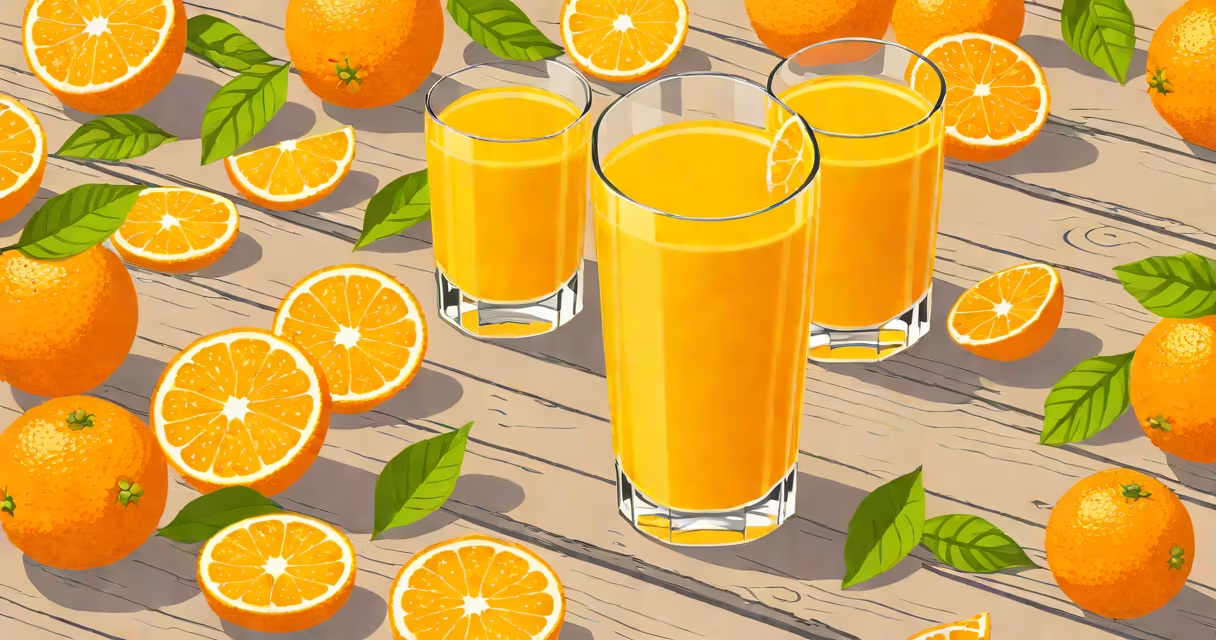
How healthy is juice? Freshly pressed or store-bought juice delivers concentrated vitamins and antioxidants but removes most dietary fiber, leading to rapid blood sugar spikes and reduced satiety compared to whole fruit. The absence of fiber means juice lacks the full nutritional benefit of eating whole fruits.
Juice is made by extracting liquid from fruits or vegetables using a juicer or blender. This process separates pulp and fiber from the liquid, leaving behind a high-sugar, low-fiber beverage. While juice contains beneficial nutrients like vitamin C and polyphenols, it lacks the structural components that slow sugar absorption and support gut health.
The American Heart Association warns that added sugars-found in many commercial juices-contribute to obesity, type 2 diabetes, and heart disease. Even 100% fruit juice, which contains no added sugar, still delivers about 30 grams of natural sugar per 8-ounce serving, equivalent to a sugary soda. For context, the AHA recommends no more than 6 teaspoons (25 grams) of added sugar daily for women.
When you juice a carrot or apple, you're isolating water, sugars, vitamins, and phytochemicals while discarding cellulose, lignin, and other indigestible fibers. These fibers are critical for slowing digestion and regulating glucose release. Without them, the sugar in juice enters the bloodstream quickly.
A 2019 study published in BMJ Open analyzed data from over 10,000 adults and found that daily consumption of 100% fruit juice was associated with a 17% higher risk of developing type 2 diabetes, independent of diet quality. The researchers attributed this to the rapid glycemic response triggered by juice's free sugars.
Even cold-pressed juice, marketed as "nutrient-rich" and "preservative-free," doesn't solve the core issue: removing fiber eliminates the food matrix that moderates nutrient uptake. A 2021 review in Nutrients confirmed that whole fruits consistently outperform their juiced counterparts in reducing chronic disease risk due to intact fiber and slower sugar release.
Different juices vary widely in sugar content, antioxidant levels, and fiber presence. Below is a comparison of common juices based on 8-ounce (240 ml) servings:
| Juice Type | Sugar (g) | Fiber (g) | Vitamin C (mg) | Antioxidants (ORAC score) |
|---|---|---|---|---|
| Orange juice (100%) | 26 | 0 | 120 | 1,300 |
| Carrot juice | 11 | 0 | 10 | 1,100 |
| Apple juice | 30 | 0 | 0 | 300 |
| Beet juice | 17 | 0 | 10 | 1,900 |
| Whole orange (1 medium) | 12 | 3.1 | 70 | 1,000 |
Source: USDA FoodData Central, 2023; ORAC values from USDA database.
Notice the stark contrast: a single whole orange has half the sugar and 3.1 grams of fiber compared to a glass of orange juice. The fiber slows digestion, prevents insulin spikes, and promotes fullness. Juicing removes this protective effect entirely.
Many people assume that "natural" juice is inherently healthy. That's not true. A 2022 analysis by the World Health Organization found that global consumption of fruit juice increased by 40% between 2000 and 2020, coinciding with rising rates of childhood obesity and dental caries linked to frequent exposure to acidic, sugary liquids.
Another myth is that juice cleanses or detox diets improve health. These regimens often involve consuming only juice for several days. The National Institutes of Health states that such fasts offer no proven detoxification benefits and can lead to muscle loss, fatigue, and electrolyte imbalances. The liver and kidneys naturally filter toxins-no juice cleanse is needed.
I once tried a 3-day juice fast during a wellness retreat. I felt lightheaded within 24 hours, experienced intense hunger, and lost 3 pounds-mostly water and lean mass. After returning to solid food, my energy crashed. I learned firsthand that short-term juice-only diets don't sustain health.
Whole fruits provide the complete package: natural sugars bound in cell walls, fiber, and micronutrients. A 2020 meta-analysis in Annals of Internal Medicine showed that eating whole fruits reduced cardiovascular risk by 20% over five years, while drinking fruit juice had no significant benefit and slightly increased risk.
For example, a medium apple contains 19 grams of sugar, 4.4 grams of fiber, and 14% of the daily value for vitamin C. When juiced, the fiber disappears. The sugar remains, but now it's absorbed rapidly-like drinking soda.
Experts recommend limiting juice intake to no more than 4 ounces (120 ml) per day if consumed at all. For better nutrition, replace juice with whole fruits, vegetables, or water infused with lemon or cucumber.
If you enjoy juice, consider blending whole fruits instead of juicing. Blending retains fiber and produces a thicker, more filling drink. A smoothie made from a banana, spinach, and berries delivers 5 grams of fiber and sustained energy versus a juice that provides none.
For long-term health, prioritize whole foods. The U.S. Dietary Guidelines emphasize whole fruits and vegetables over processed or extracted forms. Eating an apple is better than drinking its juice because it satisfies hunger, supports gut microbiota, and stabilizes blood sugar.
Understanding how healthy juice really is reveals a key truth: convenience doesn't equal nutrition. Juice may deliver vitamins, but it sacrifices fiber, satiety, and metabolic stability. Choose whole fruits over juice whenever possible. If you do drink juice, limit it to small amounts and pair it with protein or fat to slow sugar absorption.