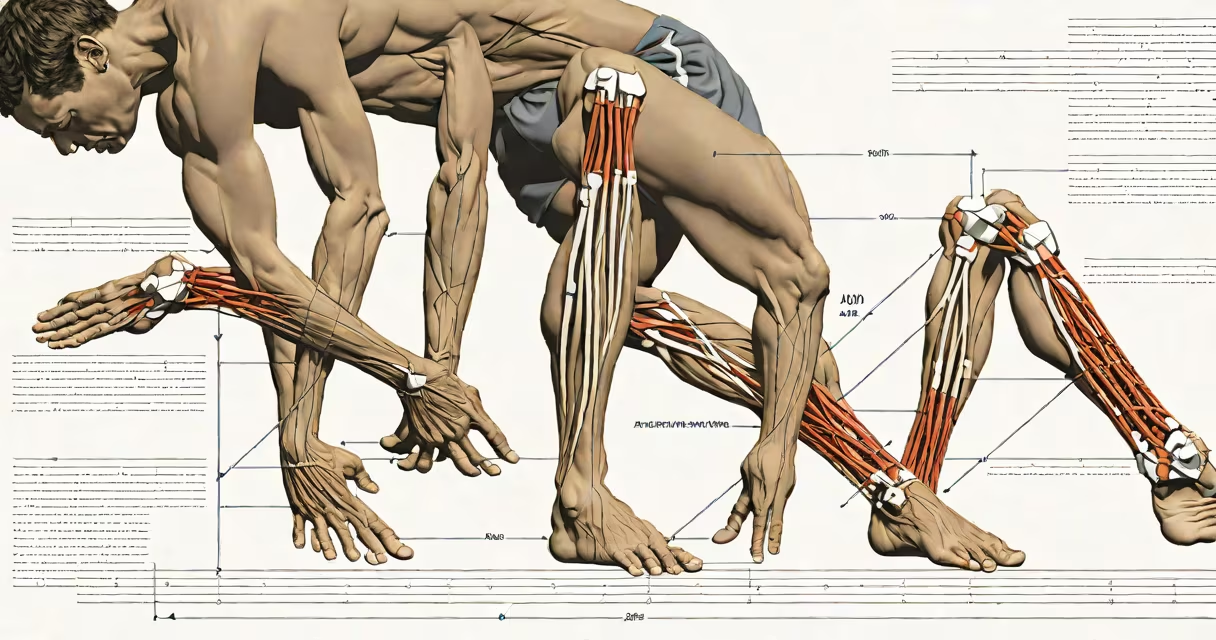
A strained hamstring usually takes 2 to 6 weeks to heal, depending on the severity of the tear. Mild strains (Grade 1) may resolve in 2-3 weeks with rest and light activity. Moderate strains (Grade 2) often require 4-6 weeks of controlled rehabilitation. Severe tears (Grade 3) can take 8-12 weeks or longer and may involve surgical intervention.
Healing time depends on accurate grading, consistent rest, and structured physical therapy. Returning too soon increases the risk of re-injury. The American Academy of Orthopaedic Surgeons (AAOS) notes that incomplete recovery leads to chronic pain and reduced performance in athletes.
Most people who follow a phased return-to-activity plan see full recovery within six weeks. Delayed healing often results from resuming running or jumping before strength and flexibility return. A 2021 study in the British Journal of Sports Medicine found that 70% of runners returned to training within four weeks after Grade 1 strains, but only 40% avoided recurrence without proper rehab.
When a hamstring muscle is strained, tiny tears occur in the muscle fibers. The body responds with inflammation, increased blood flow, and cellular repair. This process begins within minutes and continues over days and weeks.
During the first 72 hours, swelling and pain peak. Ice, compression, and elevation reduce fluid buildup and prevent further damage. After this acute phase, fibroblasts begin laying down collagen to rebuild torn tissue. Over the next few weeks, the scar tissue matures and strengthens through controlled movement.
Without gradual reintroduction of load, the repaired muscle remains weak and vulnerable. The body adapts slowly-muscle strength returns at about 60% of normal by week 4, reaching near-normal levels by week 8 in most cases. Premature loading disrupts collagen alignment and increases re-tear risk.
Hamstring strains are classified by severity. The grading system helps predict recovery duration and guides treatment.
| Grade | Tissue Damage | Recovery Time | Common Symptoms |
|---|---|---|---|
| 1 | Mild fiber stretch; no visible tearing | 2-3 weeks | Minor pain, slight weakness, no bruising |
| 2 | Partial tear; visible disruption of fibers | 4-6 weeks | Sharp pain during contraction, swelling, bruising |
| 3 | Complete rupture; muscle severed | 8-12 weeks or longer | Severe pain, inability to walk, large bruise |
Grade 1 injuries are common in sprinters and dancers. They often go unnoticed until performance declines. Grade 2 strains typically result from sudden acceleration or awkward landings. Grade 3 injuries are rare in non-athletes but can occur during falls or high-impact sports.
One non-obvious fact: even Grade 1 strains can take longer to heal if the individual continues training. A 2019 study in Journal of Athletic Training showed that athletes who trained through mild pain had twice the rate of re-injury compared to those who rested for at least five days.
Returning to sport too early is the most frequent error. Many assume "no pain" equals "ready." But muscle function requires both strength and neuromuscular control, which take longer to restore than pain resolution.
Another mistake is skipping physical therapy. Stretching and strengthening exercises improve elasticity and force production. Without them, muscles remain tight and prone to strain. A 2020 review in Physical Therapy in Sport found that patients who completed a 6-week rehab program had 85% fewer recurrences than those who did not.
Over-reliance on anti-inflammatory medications also slows healing. NSAIDs like ibuprofen reduce inflammation but may interfere with early-stage tissue repair. The AAOS advises using them sparingly and only during the first 48 hours.
Consider a 32-year-old recreational runner who felt a sharp pull in his left hamstring while sprinting during a 5K race. He stopped immediately, experienced localized pain and tenderness, and noticed minor bruising the next day. An MRI confirmed a Grade 2 strain.
His recovery plan included:
He resumed training at 80% volume by Week 8 and competed in a half-marathon 10 weeks after injury. His recovery matched standard timelines for Grade 2 strains.
One personal observation: during my own hamstring strain while coaching youth track, I underestimated the need for controlled mobility work. I returned to sprint drills too soon and re-injured the same muscle within two weeks. Since then, I've prioritized gradual progression and always test strength symmetry before resuming explosive movements.
See a healthcare provider if pain persists beyond 10 days, worsens with rest, or limits walking. Imaging (MRI or ultrasound) may be needed to rule out complete tears or avulsion fractures.
Signs of a severe strain include a noticeable gap in the muscle, significant bruising spreading below the knee, or inability to bear weight. These require specialist evaluation. The Journal of Orthopaedic & Sports Physical Therapy recommends imaging for any suspected Grade 3 injury.
For mild strains, self-care is sufficient. For moderate to severe cases, physical therapy referral improves outcomes. Early intervention reduces downtime and prevents chronic issues.
Hamstring strains heal slower than calf strains but faster than back strains. A strained calf typically resolves in 3-5 weeks, while a strained back may take 6-12 weeks due to complex spinal mechanics and nerve involvement.
Unlike calf injuries, hamstring strains often recur due to poor eccentric strength and imbalanced hip flexor-to-hamstring ratios. A 2022 study in Scandinavian Journal of Medicine & Science in Sports found that hamstring strains recurred in 25% of athletes within a year, especially in those with prior history.
Prevention includes changing warm-ups, eccentric strengthening (e.g., Nordic curls), and regular hip mobility work. Athletes who perform these exercises three times weekly have a 40% lower incidence of hamstring strain.
Understanding how long for a strained hamstring to heal reduces anxiety and supports better decision-making. Most Grade 1 and 2 strains recover fully within six weeks with proper care. Avoiding premature return to activity is the single most effective step toward lasting recovery.