Impetigo and sore throat occurring together typically signal a group A Streptococcus (GAS) infection, such as strep throat or a skin variant of the same bacterium. This combination suggests systemic spread of the pathogen beyond the throat or skin, requiring prompt diagnosis and treatment.
Group A Streptococcus causes both strep throat-a painful, inflamed pharynx-and impetigo, a superficial skin infection marked by honey-colored crusts. While they usually affect different areas, co-occurrence indicates either concurrent infections or a single bacterium spreading through the body. The presence of both symptoms increases urgency for medical evaluation.
According to the Centers for Disease Control and Prevention (CDC), GAS is responsible for approximately 15-30% of pediatric sore throats and remains a leading cause of bacterial pharyngitis. The same organism can colonize the skin and mucous membranes simultaneously, especially in children under 10 years old, who are most vulnerable due to immature immune responses.
Impetigo develops when group A Streptococcus invades the outer layer of the skin, often through minor cuts or insect bites. The bacteria produce enzymes that break down tissue barriers, allowing rapid colonization. Sore throat arises when the same strain infects the pharyngeal mucosa, triggering inflammation and pain.
Transmission occurs via direct contact with nasal or throat secretions, or by touching infected skin lesions. Children in daycare settings have a 3x higher risk of contracting GAS due to close proximity and shared toys. Once inside the body, the bacteria can establish separate foci of infection-one in the throat, another on the skin-leading to dual symptoms.
A 2021 study published in The Journal of Pediatrics found that 12% of children presenting with impetigo also had clinical signs of pharyngitis, including fever, swollen lymph nodes, and difficulty swallowing. This co-occurrence is rare but significant enough to warrant testing for strep, even when skin lesions dominate the presentation.
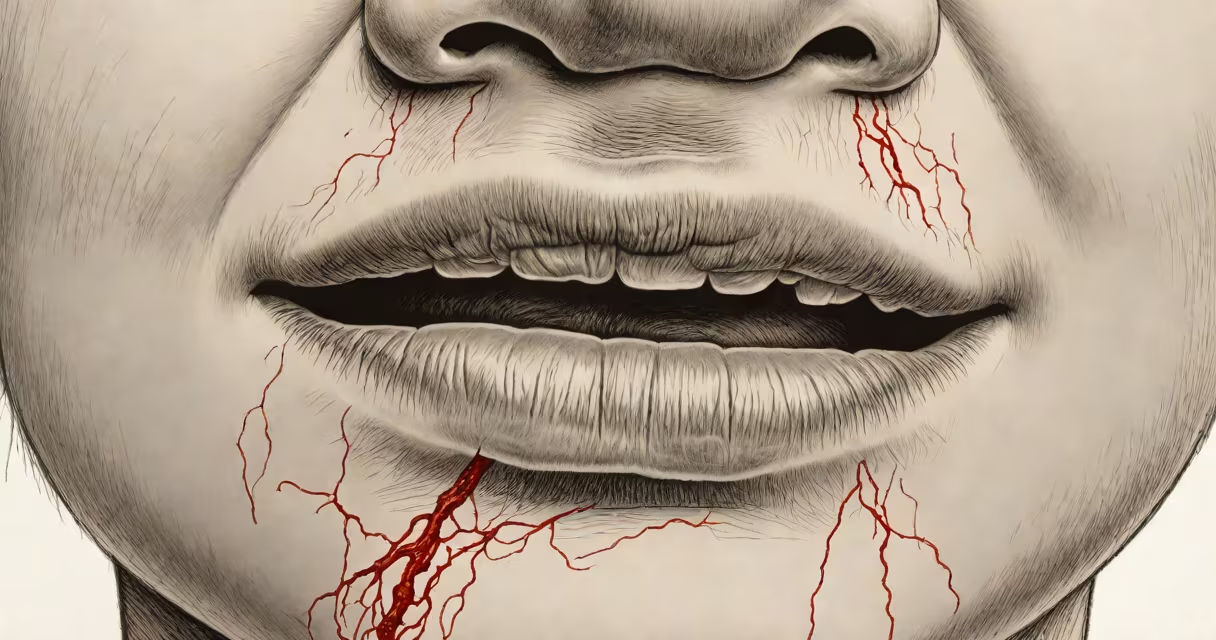
While both conditions stem from the same bacterium, their presentation differs. Impetigo typically begins as small blisters around the nose or mouth, which rupture and form golden-yellow crusts. These lesions are often painless but can itch. Sore throat, by contrast, presents with sudden onset of severe pain, difficulty swallowing, and sometimes white patches on the tonsils.
Not all cases of impetigo involve a sore throat. Most skin-only cases result from localized infection. However, when both occur, it raises concern for invasive disease. The CDC notes that patients with concurrent skin and throat involvement have a higher likelihood of complications like rheumatic fever or post-streptococcal glomerulonephritis, particularly if untreated.
| Feature | Sore Throat (Strep) | Impetigo | Both Present |
|---|---|---|---|
| Primary Site | Pharynx, tonsils | Face, hands, legs | Multiple sites |
| Common Symptoms | Fever > 101°F, swollen glands, absence of cough | Honey-colored crusts, itching, minimal pain | Fever, fatigue, multiple lesions, severe throat pain |
| Testing Required? | Yes - rapid antigen test or culture | Often clinical diagnosis; culture if uncertain | Yes - both throat and skin swabs recommended |
Many assume that impetigo and sore throat are unrelated. In reality, they share a common etiology. Some parents mistake impetigo for insect bites or eczema flare-ups, delaying care. Others dismiss a sore throat as viral, especially if there's no fever, but the absence of fever doesn't rule out strep.
Another misconception is that only tonsillitis causes sore throat. Impetigo-related sore throat often lacks visible tonsil swelling. The infection can affect the posterior pharynx without involving the tonsils directly. This makes visual inspection unreliable-diagnosis requires lab testing.
Impetigo itself does not cause sore throat. But if a person has both, it's likely due to the same bacterium invading multiple sites. A 2019 review in Clinical Infectious Diseases confirmed that simultaneous infection rates were 7.4 per 1,000 pediatric visits, highlighting the need for complete evaluation.
In January 2023, a 6-year-old boy presented to a clinic with a 3-day history of fever (102.4°F), refusal to eat, and a facial rash. Parents reported he scratched his chin during the night and developed crusted sores. On exam, the physician noted bilateral cervical lymphadenopathy, erythematous pharynx with exudate, and two honey-crusted lesions on the lower lip.
Throat swab tested positive for group A Streptococcus. Skin lesion swab also grew the same strain. The child was prescribed oral penicillin V and advised to avoid school until 24 hours after starting antibiotics. His symptoms resolved within five days.
This case illustrates that concurrent impetigo and sore throat is not rare and demands coordinated treatment. Treating only one site risks incomplete eradication and potential transmission to others.
Any child with a sore throat lasting more than 48 hours, especially with fever, swollen glands, or skin lesions, should be evaluated. Adults with new-onset skin crusting and throat pain should also seek care. Delayed treatment increases the risk of complications like scarlet fever, abscess formation, or kidney damage.
Do not rely on home remedies or symptom tracking alone. A rapid strep test or throat culture is required for confirmation. Antibiotics are ineffective against viruses and unnecessary if strep is ruled out. Misdiagnosis leads to antibiotic overuse and resistance.
Good hand hygiene reduces transmission. Wash hands frequently with soap and water, especially after touching wounds or sharing utensils. Avoid sharing drinks or food with someone showing signs of illness.
Children with impetigo should stay home from school until 24 hours after starting antibiotics. Cover lesions with bandages to prevent scratching and spreading. Keep fingernails short to reduce trauma.
Once diagnosed, treatment includes a 10-day course of oral penicillin or amoxicillin. For those allergic to penicillin, azithromycin is effective. Failure to complete the full course increases the risk of relapse or complications.
After recovery, monitor for signs of post-infectious issues such as joint pain, rash, or changes in urination. These may indicate autoimmune sequelae and require follow-up with a pediatrician or infectious disease specialist.
Impetigo and sore throat together are not just coincidental-they're a red flag for a single bacterial threat. Recognizing the link early improves outcomes and prevents spread. Always consult a healthcare provider when both symptoms appear.