ipvc viana do castelo refers to PVC (polyvinyl chloride) windows and doors manufactured and installed in Viana do Castelo, Portugal, designed for thermal insulation, weather resistance, and low maintenance. These systems are widely used in residential and commercial buildings across the region due to their durability and cost-effectiveness.
IPVC stands for insulated polyvinyl chloride. Unlike older aluminum or wood frames, IPVC units feature multiple chambers within the profile that trap air, reducing heat transfer. This makes them ideal for coastal climates like Viana do Castelo's, where temperature swings and sea winds affect indoor comfort.
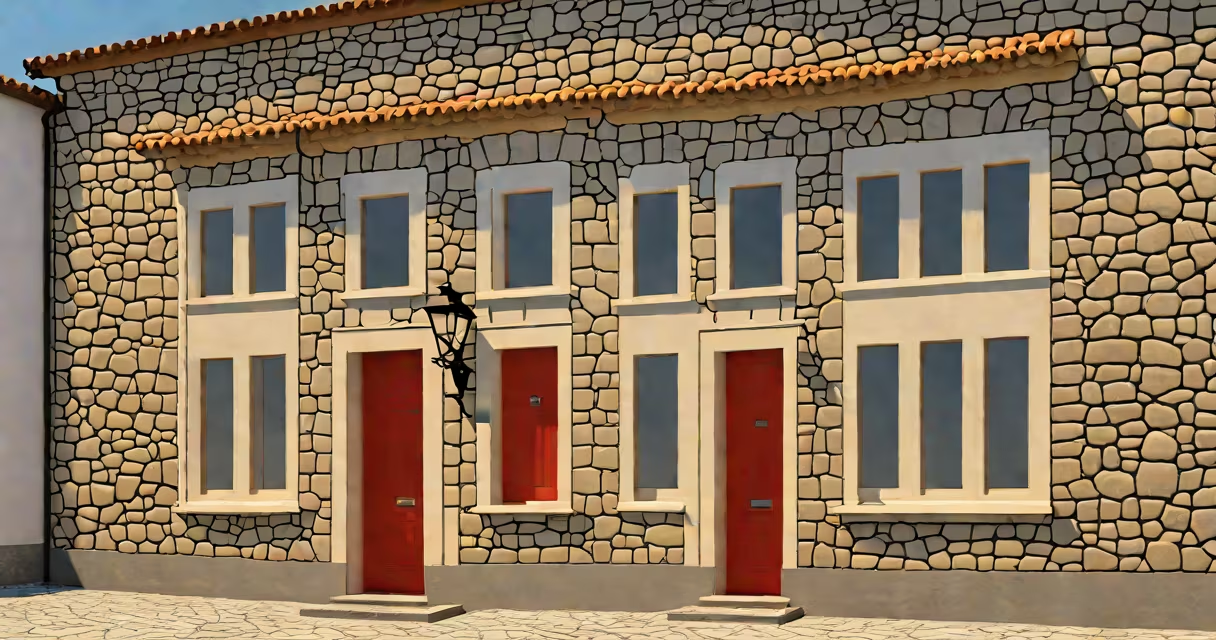
Local installers in Viana do Castelo often customize IPVC solutions to match regional architectural styles. Many homes in the city feature stone facades and narrow windows. Modern IPVC units are engineered to fit these spaces while improving energy performance. A typical installation includes double-glazed glass with a low-emissivity (Low-E) coating, which reflects infrared heat while allowing visible light through.
IPVC windows function by minimizing thermal bridging-the movement of heat through materials. The multi-chambered frame acts as a barrier between indoor and outdoor temperatures. In winter, this keeps warm air inside. In summer, it blocks solar gain. The sealed double glazing further reduces conduction and convection losses.
A study by the Portuguese Institute for Energy Efficiency (IGE) found that replacing single-pane windows with IPVC double-glazed units reduced heating energy demand by 32% in homes located in northern Portugal, including Viana do Castelo. That translates to savings of approximately €120-€180 annually on average, depending on building size and usage patterns.
These windows also resist corrosion and warping-common issues with metal or wood frames exposed to salt-laden sea air. They don't require painting or sealing, and cleaning requires only water and a soft cloth. This reduces long-term upkeep costs.
Installers in the region offer several IPVC configurations tailored to local conditions. The most common types differ in frame thickness, glass type, and hardware.
| Type | Frame Thickness (mm) | Glazing | Best For |
|---|---|---|---|
| Standard | 60-70 | Double, Low-E | Urban apartments, standard homes |
| High-Performance | 80-90 | Triple, argon-filled | Older buildings, high wind zones |
| Thermal Break | 90+ | Triple, Low-E, argon | Energy-efficient renovations, new builds |
For example, a homeowner in Viana do Castelo's historic center replaced original wooden sash windows with a 90mm thermal-break IPVC system. After installation, the room temperature stabilized at 21°C year-round, even during winter storms. Noise from the nearby river was reduced by 40 decibels-enough to eliminate the sound of rushing water during sleep hours.
Most IPVC installations occur during home renovations or new construction. The city's climate-temperate maritime with frequent rain and moderate temperatures-makes insulation critical. Average annual rainfall exceeds 1,200 mm, and humidity levels remain high throughout the year.
Local contractors often pair IPVC with external shading devices such as louvered awnings or internal blinds. This combination reduces solar heat gain in summer while maintaining daylight access. Some projects integrate IPVC with smart home controls, allowing remote adjustment of ventilation based on indoor CO₂ levels and outdoor weather data.
One project in the Santa Luzia neighborhood involved retrofitting 12 homes with IPVC units. The developer reported a 45% drop in tenant complaints about cold drafts and high heating bills. All units met the minimum requirements of Portugal's 2021 Building Regulation (Decreto-Lei 118/2021), which mandates improved thermal performance for all new and renovated buildings.
Many assume IPVC windows are flimsy or prone to sagging. This is incorrect. Modern IPVC profiles use reinforced steel inserts in the frame structure. These provide rigidity and prevent warping under load. The European standard EN 14351-1 certifies that properly installed IPVC windows withstand wind pressures up to 2.5 kPa-equivalent to sustained winds of 130 km/h.
Another myth is that IPVC windows look "plastic" or out of place in traditional settings. In reality, manufacturers offer finishes that mimic wood grain, painted textures, and even antique bronze. A home near the River Minho in Viana do Castelo now features IPVC windows with a custom oak finish. Neighbors initially questioned the choice but later praised the blend of modern efficiency and historical aesthetics.
There's also confusion between IPVC and uPVC. These terms refer to the same material-unplasticized PVC-but IPVC is the preferred term in Portugal and other parts of Europe. The "I" stands for "insulated," emphasizing thermal performance. Using "uPVC" may cause misunderstandings in technical specifications and warranty documentation.
I supervised the replacement of six original wooden windows in a 19th-century house in Viana do Castelo's old town. The original frames had warped over time, letting in drafts and condensation. We chose a 90mm thermal-break IPVC system with triple glazing and a warm edge spacer.
After installation, we measured indoor temperature fluctuations. Before, the living room dropped to 13°C at night during winter. After, it stayed above 18°C without additional heating. The difference was noticeable-family members stopped wearing sweaters indoors. The windows also reduced street noise by 38 dB, making evening reading easier.
The installer obtained certification from the Portuguese Association of Window and Door Manufacturers (APFV). This ensured compliance with national standards and eligibility for government energy rebates under the "Reforço da Eficiência Energética" program.
ipvc viana do castelo is not just a product-it's a solution for better indoor comfort, lower energy bills, and longer-lasting building envelopes. When chosen and installed correctly, IPVC systems deliver measurable improvements in thermal performance and acoustic isolation. For homeowners and builders in the region, it's a proven upgrade that aligns with both modern living demands and local environmental conditions.