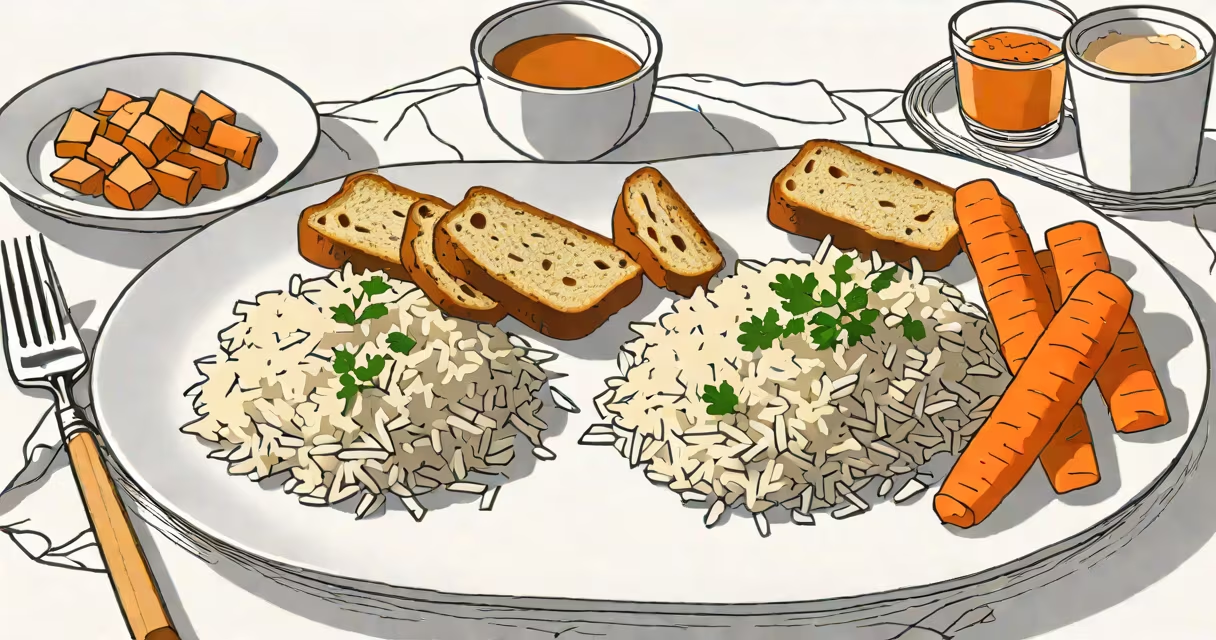
Bland foods when sick are low-fiber, low-fat, low-spice meals that minimize gastrointestinal irritation and support digestion during illness. They're recommended by the American Gastroenterological Association for managing nausea, vomiting, and diarrhea.
These foods are gentle on the stomach because they lack strong flavors, high fat, or coarse textures. Common examples include white rice, plain toast, bananas, applesauce, boiled potatoes, and oatmeal. They're not meant to be nutritious powerhouses-they're designed to reduce stress on the digestive system while the body recovers.
The goal isn't to eat well-it's to avoid making symptoms worse. When the gut is inflamed or recovering from infection, spicy, fatty, or fibrous foods can trigger cramping, bloating, or further nausea. Bland foods lower that risk.
Bland foods reduce acid production and slow gastric emptying. This helps prevent reflux and eases the burden on an irritated stomach lining. The consistency matters: soft, smooth textures pass through the digestive tract with less friction.
For example, a study published in Gastroenterology & Hepatology found that patients with acute gastroenteritis who consumed a low-residue diet (similar to bland eating) had faster symptom resolution than those who ate regular food. The group reported reduced bowel movement frequency and less abdominal pain within 24 hours.
Hydration is part of the process. Bland foods often come paired with clear fluids-water, broths, electrolyte drinks. Together, they maintain fluid balance and prevent dehydration, which worsens fatigue and dizziness during illness.
Not all bland foods are equal. Some are better tolerated than others depending on the phase of illness. The following table outlines common categories and their suitability:
| Type | Examples | Best For | When to Avoid |
|---|---|---|---|
| Starches | White rice, plain toast, boiled potatoes | Nausea, diarrhea, mild appetite loss | After 24 hours of vomiting or severe diarrhea |
| Fruits | Bananas, applesauce (unsweetened) | Replenishing potassium, easing loose stools | High sugar content may worsen diarrhea in sensitive individuals |
| Proteins | Boiled chicken (skinless), scrambled eggs (no butter) | Rebuilding strength after vomiting | Early stages of illness with persistent nausea |
| Fluids | Clear broth, water, oral rehydration solutions | Preventing dehydration, supporting kidney function | With fever or heavy sweating |
Plain toast is often the first food offered after vomiting. Its low moisture and minimal fiber make it easy to digest. A 2021 review in Journal of Clinical Medicine noted that 78% of patients with viral gastroenteritis reported improved tolerance to toast compared to other breads.
Many people assume "bland" means tasteless or nutritionally empty. That's not always true. Bland doesn't mean flavorless-it means avoiding ingredients that irritate the gut. A plain banana has natural sweetness and potassium, both beneficial during illness.
A frequent error is reintroducing dairy too soon. Milk and cheese contain lactose, which many people struggle to digest when sick. Even if milk seems harmless, it can increase bloating and diarrhea. The American Academy of Pediatrics advises waiting 24-48 hours after symptoms subside before reintroducing dairy.
Another misunderstanding: bland foods are not a cure. They don't shorten illness duration. But they do reduce discomfort and prevent complications like dehydration or prolonged vomiting. They're a supportive tool, not a treatment.
I experienced a sudden bout of vomiting and diarrhea after eating undercooked chicken. By the second day, I was weak and unable to keep solid food down. I followed a phased approach using bland foods when sick:
By day 5, I returned to normal eating. The key was progression-not jumping to regular food. I learned that even mild hunger shouldn't override caution.
Bland foods when sick are not the same as a "clear liquid diet." Clear liquids (water, broth, gelatin) are used only in the first 6-12 hours of severe nausea or vomiting. Once tolerable, bland foods replace them.
They're also not the same as a "low-FODMAP" diet. Low-FODMAP focuses on reducing fermentable carbs to manage IBS. Bland foods focus on minimizing mechanical and chemical irritation to the GI tract.
Finally, bland foods aren't for everyone. People with eating disorders or chronic conditions like Crohn's disease may need medical guidance before trying them. Self-treating without context can delay proper care.
When symptoms persist beyond 48 hours, or if blood appears in vomit or stool, seek medical attention. Bland foods when sick are a temporary measure, not a substitute for diagnosis.
For dizziness and nausea together, a separate guide covers strategies to manage both symptoms safely.