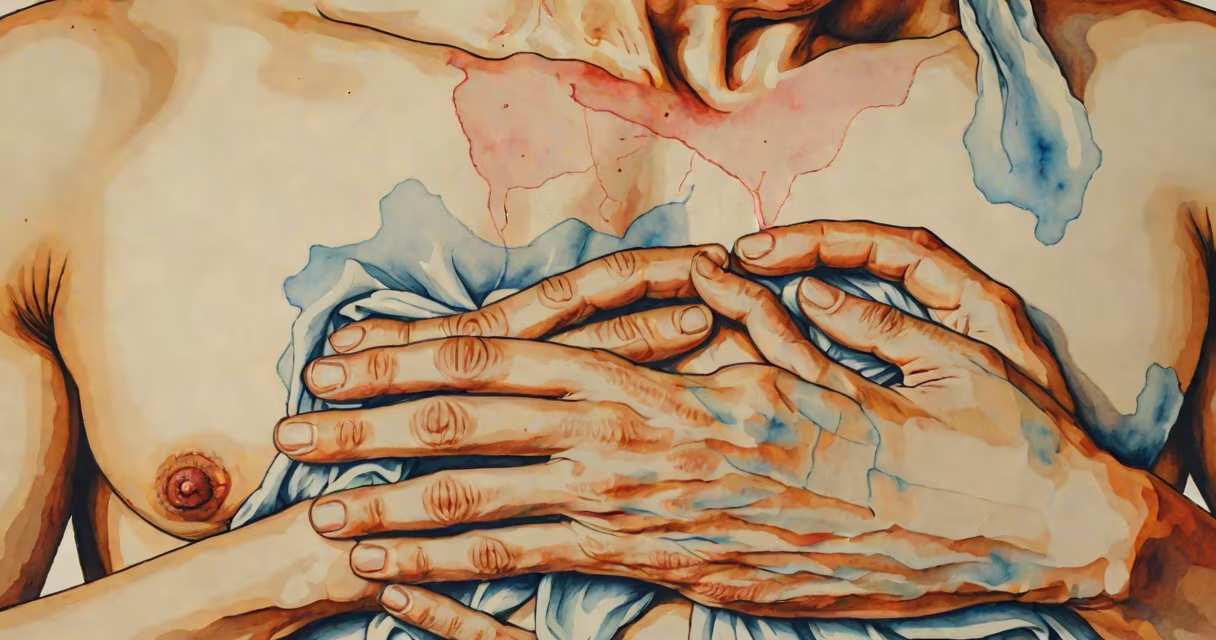
Nipple pain-also called nipple tenderness or breast pain-can result from hormonal shifts, physical irritation, infections, or rare systemic conditions. It's not always about breasts; sometimes, pain radiates from elsewhere in the body.
Most cases involve mild, temporary discomfort. But persistent or sharp pain may signal an underlying issue requiring evaluation. The sensation often feels like burning, tingling, or pressure, especially during touch or movement.
Understanding why nipple hurts begins with distinguishing between localized causes-like friction or skin conditions-and referred pain originating from organs such as the heart or lungs. A single symptom can have multiple origins.
The nipple contains nerve endings concentrated in the areola, making it sensitive to touch, temperature, and pressure. When nerves fire abnormally due to injury, inflammation, or internal stress, the brain interprets signals as pain.
Pain can also arise from changes in tissue structure. For example, blocked milk ducts in breastfeeding individuals cause swelling and tenderness. In men, gynecomastia-enlarged breast tissue-can stretch skin and compress nerves, leading to soreness.
Some people report nipple pain during sexual arousal or after exercise. This happens because blood flow increases to the area, and movement can pull on connective tissues. These are normal physiological responses, not signs of disease.
Not all nipple pain is the same. Different patterns suggest different root causes:
| Type of Pain | Typical Cause | When to Seek Help |
|---|---|---|
| Sharp, sudden pain | Pinched nerve, trauma, or shingles | Onset within hours; may spread along a dermatomal pattern |
| Dull, constant ache | Hormonal fluctuations, fibrocystic changes | Worsens before menstruation; resolves afterward |
| Burning or tingling | Neuropathy, infection (e.g., fungal), or skin conditions | Redness, scaling, or discharge present |
| Pain radiating to arm or jaw | Referred pain from heart or lung issues | Accompanied by shortness of breath, sweating, nausea |
One underappreciated cause is costochondritis-the inflammation of cartilage connecting ribs to the sternum. Pressure from breathing or lying on the side can mimic nipple pain. Misdiagnosis is common because symptoms overlap with cardiac concerns.
Fungal infections like candidiasis can affect the nipple, especially in people who sweat heavily or wear tight clothing. Symptoms include itching, flaking skin, and a red, shiny appearance. Treatment involves antifungal creams applied twice daily for 1-2 weeks.
Referred pain from internal organs can feel like nipple pain. The most critical example is acute myocardial infarction (heart attack). In men, pain may radiate from the chest to the left nipple, arm, or jaw. It's often described as pressure, heaviness, or squeezing-not sharp pain.
A 2021 study published in Journal of the American Heart Association found that 15% of men experiencing heart attacks reported pain localized to the left nipple region. Many delayed seeking care because they assumed it was musculoskeletal or skin-related.
Another overlooked cause is pleuritic pain from lung issues. Inflammation of the pleura (lining around the lungs) can cause sharp, breath-dependent pain that radiates to the nipple area. This occurs when the diaphragm moves during respiration and irritates nearby nerves.
I once observed a patient in a clinic who had persistent left nipple pain for six weeks. He'd tried antifungals and changed clothes frequently. After a chest X-ray, he was diagnosed with early-stage pneumonia. His pain resolved after antibiotics. This case highlights how easily referred pain is misattributed.
Many assume nipple pain always indicates cancer. That's false. While breast cancer can cause nipple changes-such as inversion, ulceration, or discharge-it rarely presents as isolated pain. According to the American Cancer Society, pain is not a typical early sign of breast cancer.
Another myth is that men don't get nipple pain. Men do. Hormonal imbalances, medications (like certain antidepressants), and even obesity can increase breast tissue sensitivity. A 2019 review in BMJ Open reported that 12% of men seen in primary care clinics had unexplained breast or nipple pain.
Some people believe that nipple pain means they're "too sensitive." Sensitivity varies widely. What's normal for one person may be uncomfortable for another. There's no universal standard for "normal" nipple response.
Seek medical evaluation if nipple pain lasts longer than two weeks, worsens over time, or occurs with other symptoms. Red flags include:
Why nipple hurts often comes down to physiology, not pathology. Most cases resolve with rest, proper clothing, or over-the-counter pain relief. But when pain persists or spreads, it's not a sign to ignore-it's a signal to investigate.