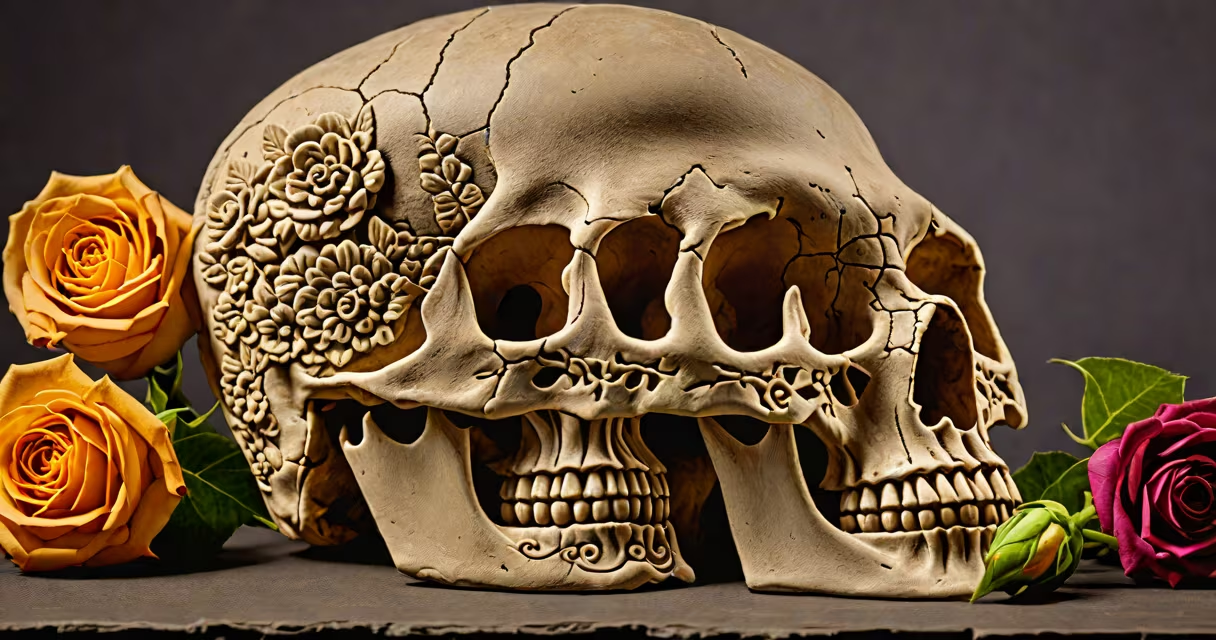
The phrase "memento mori carpe diem meaning" refers to two distinct Latin expressions that together frame a profound tension in human thought: memento mori ("remember you must die") and carpe diem ("seize the day"). Together, they represent opposing impulses-one urging awareness of death's inevitability, the other advocating for urgent action in the present.
Memento mori originated in Roman culture as a reminder during triumphal processions: a slave would whisper "memento mori" into the victor's ear to prevent hubris. The phrase was later adopted by Christian thinkers to encourage spiritual readiness. Carpe diem, from a poem by Horace, urges immediate engagement with life's fleeting moments. When paired, these phrases form a philosophical duality: one grounds us in reality, the other propels us forward.
Modern usage often misrepresents them as a single concept. They are not interchangeable. Memento mori is about humility and impermanence. Carpe diem is about agency and presence. Confusing them leads to flawed interpretations-such as treating mortality as motivation for reckless living, which Horace never intended.
Memento mori functions as a cognitive tool to counteract complacency. It doesn't promote fear-it promotes clarity. By acknowledging that life ends, people are more likely to prioritize meaningful actions over distractions. A 2017 study published in *Psychological Science* found that subtle reminders of death increased participants' focus on long-term goals and reduced procrastination.
Carpe diem operates differently. It is not a command to rush through life, but a call to intentional living. The original context of Horace's "carpe diem" appears in *Odes*, Book 1, Poem 11: "Carpe diem, quam minimum credula postero." Translated: "Seize the day, trusting as little as possible in the future." This is not a license for indulgence. It's a rejection of endless postponement.
Together, they create a balanced mindset. Memento mori prevents denial of limits. Carpe diem prevents paralysis from fear. The combination is not about choosing one over the other-it's about using both to live with purpose.
Memento mori is a Latin imperative: "memento" (from *meminisse*, to remember) + "mori" (to die). It is a direct instruction. The phrase was inscribed on medieval tombstones and painted in still-life artworks-skulls, hourglasses, wilting flowers-symbols of transience. The 16th-century painting *The Ambassadors* by Hans Holbein the Younger includes a distorted skull visible only from an angle, a visual memento mori meant to unsettle viewers.
Carpe diem comes from *carpere* (to pluck or gather), not "seize" in the violent sense. Horace wrote it in a context of enjoying wine, conversation, and friendship-not hedonism. He urged readers to act now because the future is uncertain. The verb "carpere" implies careful selection, not forceful grabbing.
These nuances matter. Misreading "carpe diem" as "live fast, die young" distorts its intent. The original Latin suggests mindfulness, not recklessness. Similarly, equating memento mori with morbidity ignores its role in ethical reflection.
Memento mori appears in contemporary art, literature, and wellness practices. Artists like Damien Hirst use skulls in installations to provoke thought about mortality. In mental health circles, therapists sometimes use memento mori exercises to help clients identify what truly matters. A 2021 study in *Journal of Positive Psychology* showed that participants who wrote reflections on their own death reported higher levels of life satisfaction and goal commitment.
Carpe diem is widely cited in motivational contexts. But it's often stripped of context. The phrase appears on coffee mugs, gym posters, and startup slogans-usually divorced from Horace's original caution against over-reliance on the future. In reality, carpe diem works best when paired with planning. Seizing the day without direction leads to burnout. The most effective applications occur when people act now while still setting long-term goals.
Consider a freelance writer facing a deadline. Memento mori reminds her that time is finite-she won't have infinite chances to finish this project. Carpe diem pushes her to start writing now, not wait for perfect conditions. The result isn't frantic effort-it's focused action.
One widespread error is treating memento mori and carpe diem as a single philosophy. They are not. Memento mori is introspective and cautionary. Carpe diem is proactive and affirmative. Using them together doesn't mean "die soon, so live hard." That's a misinterpretation.
Another misconception is that memento mori encourages sadness. It doesn't. The original Roman practice involved a slave whispering the phrase during a parade-this wasn't a funeral rite. It was a performance of power and vulnerability. The slave had authority in that moment. The message wasn't despair-it was balance.
A third mistake is assuming carpe diem supports short-term gratification. Horace's version includes the word *postero*-"future." He warns against placing trust in tomorrow. But he also values relationships, wisdom, and reputation. Carpe diem is not about abandoning responsibility. It's about acting now within your values.
Here's a concrete example: A person decides to quit their job to travel. Without memento mori, they may ignore risks-financial instability, lack of healthcare, isolation. With memento mori, they consider mortality and consequences. With carpe diem, they move forward despite uncertainty. The decision becomes thoughtful, not impulsive.
| Aspect | memento mori | carpe diem |
|---|---|---|
| Core idea | Remember that death is certain | Act now, don't delay |
| Emotional tone | Reflective, sobering | Urgent, affirmative |
| Original context | Roman triumphs, Christian meditation | Horace's poetry, Stoic ethics |
| Modern misuse | Associated with gloom or obsession with death | Reduced to "just do it" without planning |
I once attended a retreat where participants spent 10 minutes writing letters to their future selves, imagining they were dying in five years. The exercise wasn't about fear-it was about clarity. Afterward, many chose to leave jobs, start businesses, or repair relationships. The insight came not from panic, but from confronting limits. That's memento mori in practice. The follow-up action-writing, calling, applying-was carpe diem.
Understanding memento mori carpe diem meaning requires seeing them not as opposites, but as partners. One asks: "What if this ends?" The other replies: "Then act now." Together, they form a structure for living with integrity, urgency, and awareness.