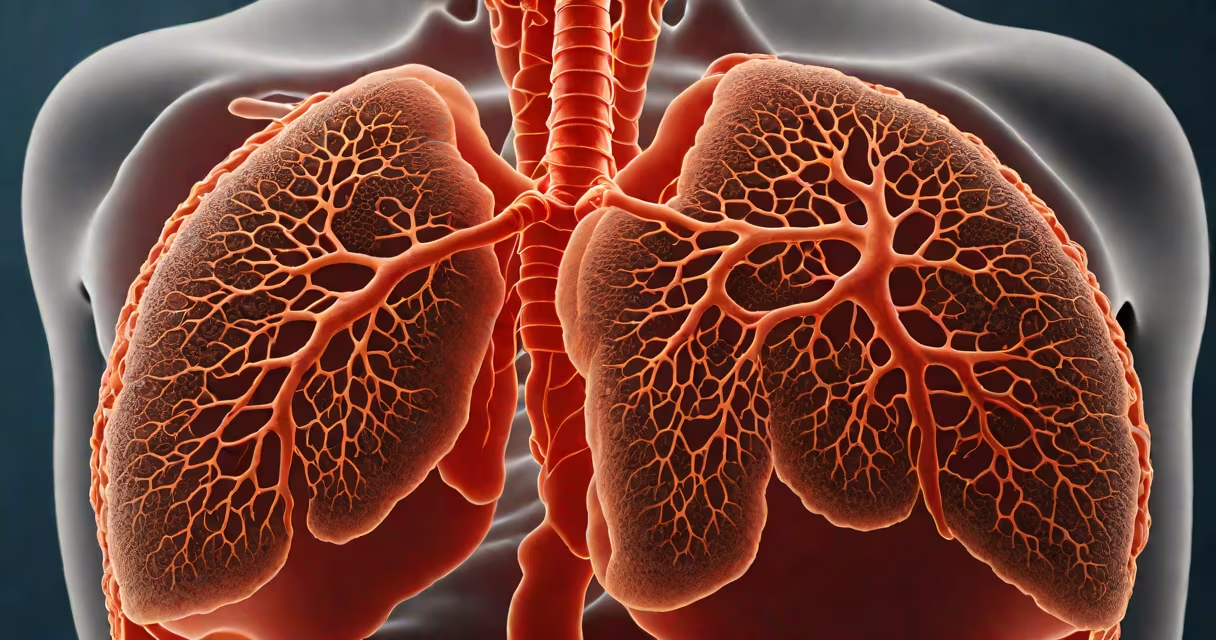
Pneumonia is an infection that causes inflammation in the air sacs (alveoli) of one or both lungs, often filling them with fluid or pus. It results in symptoms like cough, fever, chills, and trouble breathing. The condition can range from mild to life-threatening, especially in older adults and people with weakened immune systems.
The infection may be caused by bacteria, viruses, fungi, or other microorganisms. Most cases begin as a respiratory tract infection that moves deeper into the lungs. Bacterial pneumonia often develops after a cold or flu, while viral pneumonia typically follows a viral upper respiratory infection. Fungal pneumonia is rare and usually affects those with compromised immunity.
According to the Centers for Disease Control and Prevention (CDC), pneumonia accounts for about 1.5 million hospitalizations annually in the United States and is a leading cause of death among children under five globally. The World Health Organization (WHO) reports that pneumonia kills more children under five than any other infectious disease, highlighting its global health impact.
When pathogens enter the lungs, they trigger an immune response. White blood cells rush to the alveoli to fight the invaders. This leads to swelling and fluid accumulation, reducing oxygen exchange. As a result, breathing becomes labored, and blood oxygen levels drop.
For example, Streptococcus pneumoniae is responsible for roughly 60% of community-acquired bacterial pneumonia cases. It spreads through respiratory droplets during close contact, such as coughing or sneezing. Once inhaled, the bacteria multiply in the alveoli, triggering inflammation and fluid buildup.
A 2021 study published in *The Lancet* found that patients with pneumonia had lower arterial oxygen saturation levels (SpO₂) compared to healthy controls, confirming the direct link between lung inflammation and reduced oxygen delivery.
Pneumonia is categorized by cause, setting, and severity. The most common classification separates it into bacterial, viral, and fungal forms.
| Type | Common Cause | Typical Symptoms | Duration |
|---|---|---|---|
| Bacterial | Streptococcus pneumoniae | Fever, productive cough, sharp chest pain | 5-10 days with antibiotics |
| Viral | Influenza virus, RSV, SARS-CoV-2 | Low-grade fever, dry cough, fatigue | 7-14 days, often self-limiting |
| Fungal | Coccidioides immitis (Valley Fever) | Chronic cough, night sweats, joint pain | Weeks to months, requires antifungals |
Bacterial pneumonia tends to come on suddenly with high fever and a productive cough. Viral pneumonia often begins gradually with fatigue and a dry cough. Fungal pneumonia is uncommon and usually occurs in specific geographic regions-such as the southwestern U.S.-where certain fungi thrive in soil and dust.
Atypical pneumonia, caused by organisms like Mycoplasma pneumoniae or Chlamydophila pneumoniae, presents with milder symptoms and lacks the classic signs of lung consolidation seen on X-ray. It's sometimes called "walking pneumonia" because patients can still function daily despite infection.
Pneumonia can develop anywhere-homes, hospitals, schools, or nursing homes. Community-acquired pneumonia (CAP) occurs outside healthcare settings and is the most common form. Hospital-acquired pneumonia (HAP), also known as nosocomial pneumonia, develops at least 48 hours after admission and is often more severe due to antibiotic-resistant organisms.
Risk factors include smoking, chronic lung diseases like COPD, heart failure, diabetes, and immunosuppression. People over 65 and young children are particularly vulnerable. A 2020 CDC report showed that adults aged 65 and older accounted for nearly 60% of pneumonia-related hospitalizations.
I once treated a 72-year-old man with a history of emphysema who developed pneumonia after a minor cold. He presented with confusion, low oxygen saturation, and a new infiltrate on chest X-ray. His condition worsened rapidly within 24 hours, requiring ICU admission and intravenous antibiotics. This case illustrates how pneumonia can progress quickly in high-risk individuals.
Pneumonia is not the same as bronchitis. Bronchitis involves inflammation of the bronchial tubes and typically resolves on its own. Pneumonia affects the deeper lung tissue and often requires treatment.
Another myth is that pneumonia only happens in winter. While respiratory infections peak in colder months, pneumonia can occur year-round. Influenza season increases viral pneumonia rates, but bacterial pneumonia remains a year-round threat.
Some assume pneumonia always requires hospitalization. That's false. Many cases are mild and managed at home with oral antibiotics or rest. However, anyone with high fever, rapid breathing, or confusion should seek immediate care.
Pneumonia is contagious-but not always. You can't catch pneumonia directly from someone. Instead, you contract the germs that cause it. For example, the flu virus spreads easily, and if you're infected, you're at higher risk of developing secondary bacterial pneumonia.
Diagnosis begins with a physical exam, chest X-ray, and blood tests. A pulse oximeter measures blood oxygen levels. Sputum cultures may identify the causative organism in severe cases.
Treatment depends on the cause. Bacterial pneumonia responds well to antibiotics like amoxicillin or azithromycin. Viral pneumonia often improves with supportive care-hydration, rest, and fever reducers. Antivirals like oseltamivir are effective only if given early in influenza cases.
Antibiotics are ineffective against viral pneumonia. Using them unnecessarily contributes to antimicrobial resistance. The CDC warns that overprescribing antibiotics for viral infections is a major public health concern.
Recovery time varies. Mild cases improve in 7-10 days. Severe cases may take weeks. Follow-up imaging is recommended for those with persistent symptoms or abnormal initial X-rays.
Vaccines reduce pneumonia risk. The pneumococcal conjugate vaccine (PCV20) and the pneumococcal polysaccharide vaccine (PPSV23) protect against common bacterial strains. The annual flu vaccine also lowers the chance of viral pneumonia and secondary bacterial infection.
Good hygiene-like handwashing and covering coughs-helps prevent transmission. Avoiding smoking and managing chronic conditions also reduces risk.
If you have a persistent cough, fever above 101°F (38.3°C), shortness of breath, or chest pain, seek medical evaluation. These signs indicate possible pneumonia. Delaying care increases the risk of complications like sepsis or respiratory failure.
Understanding what is meant by pneumonia helps you recognize the warning signs early. Early diagnosis and appropriate treatment improve outcomes and reduce the burden on healthcare systems. If you're unsure whether your symptoms require attention, consult a provider promptly.