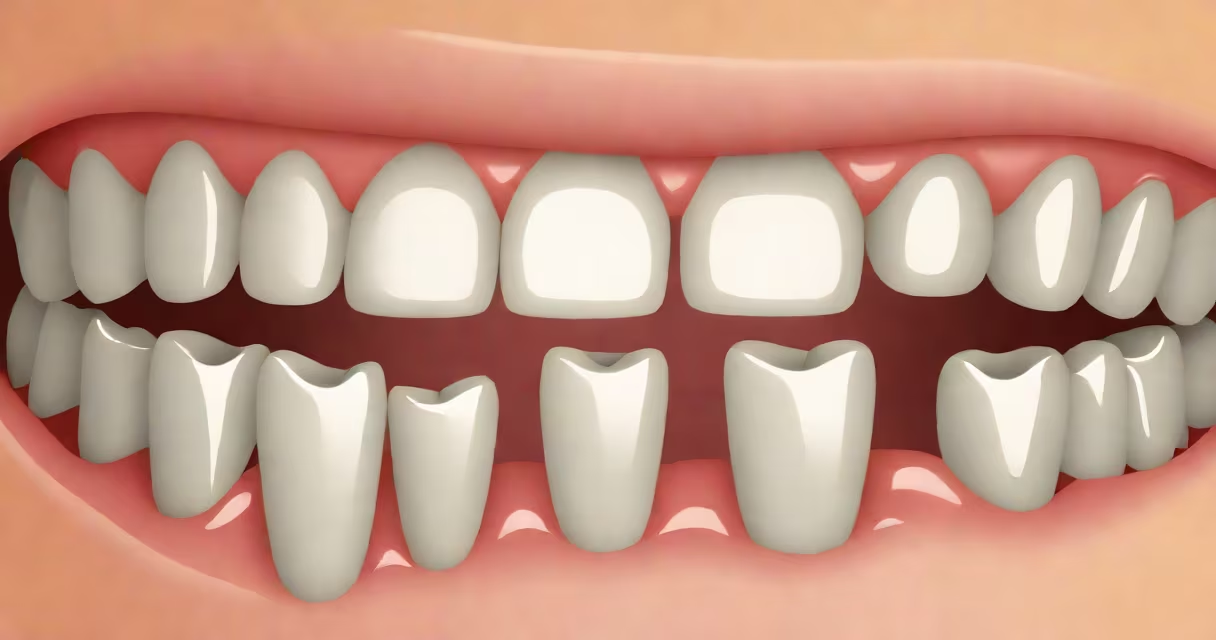
One tooth sensitive to cold is a localized dental condition where a single tooth reacts painfully to cold temperatures, typically due to exposed dentin from enamel loss or gum recession. This differs from generalized tooth sensitivity and often points to a specific underlying issue such as decay, a cracked tooth, or a failing filling.
Dentin lies beneath the enamel and contains microscopic tubules that lead to the nerve. When the protective layer is worn away, cold stimuli travel through these tubules directly to the nerve, triggering sharp pain. This process is well-documented in clinical dentistry, with studies confirming that dentinal hypersensitivity affects approximately 15% of adults globally.
Unlike widespread sensitivity, isolated cold sensitivity in one tooth usually indicates a focused problem rather than systemic issues like bruxism or acid reflux. The pain tends to be sudden, brief, and localized-often disappearing once the cold stimulus is removed. Persistent pain lasting more than 30 seconds may signal deeper pathology, such as irreversible pulpitis.
When cold air or liquid touches a tooth with exposed dentin, fluid movement within the dentinal tubules triggers nerve endings in the pulp chamber. This fluid shift activates Aδ nerve fibers, which transmit pain signals to the brain. The mechanism is known as the hydrodynamic theory, supported by research from the Journal of Endodontics.
Exposure occurs when enamel wears down due to acidic foods, aggressive brushing, or acid reflux. Gum recession-common in people over 35-also exposes root surfaces, which lack enamel and are highly sensitive. A 2021 study in the American Journal of Dentistry found that 68% of patients with localized cold sensitivity had gingival recession affecting the cervical region of the tooth.
For example, a patient who brushes their teeth with a hard-bristled brush twice daily for five years may develop a notch near the gumline on their lower left molar. That area becomes sensitive to cold drinks, even ice water, because the dentin is now exposed and unprotected.
Localized cold sensitivity usually stems from one of several identifiable conditions:
| Condition | Common Location | Key Signs | Prevalence |
|---|---|---|---|
| Enamel erosion | Front teeth, molars | Wear at the crown, increased sensitivity to cold and sweets | ~30% of cases |
| Gum recession | Root surfaces, especially lower molars | Exposed root, sensitivity to cold, sometimes visible redness | ~45% of cases |
| Tooth decay (caries) | Between teeth, pits on chewing surfaces | Pain on cold contact, possible visible hole | ~15% of cases |
| Failing restoration | Fillings, crowns | Sensitivity around a restored tooth, especially after eating cold food | ~10% of cases |
One key distinction often missed is that cold sensitivity in a single tooth rarely results from systemic factors like stress or diet alone. While acid exposure contributes broadly, isolated symptoms suggest a structural failure-either in the tooth's surface or its restoration.
A common mistake is assuming that sensitivity to cold always means a cavity. But a 2020 review in the Journal of Clinical Dentistry showed that only 22% of patients with single-tooth cold sensitivity actually had cavities. The rest had either dentin exposure from wear or gingival recession.
One tooth sensitive to cold most frequently appears in adults aged 30-50, particularly those with a history of poor brushing technique or frequent consumption of acidic beverages like citrus juice or soda. The condition is more common in women, possibly due to hormonal fluctuations affecting gum health.
It often develops gradually. A person might notice mild discomfort when drinking iced tea, then progress to sharp pain. The pain may worsen during winter months when indoor heating dries out the mouth and increases sensitivity.
For example, a 42-year-old woman reported sudden pain in her upper right premolar when sipping cold coffee. She had no history of toothaches. Upon examination, a small cavity was found under a marginal gap in an old amalgam filling. The cold penetrated through the gap, reaching the pulp. After removing the old filling and placing a new composite restoration, the sensitivity resolved completely.
One tooth sensitive to cold is often mistaken for sinus pain, trigeminal neuralgia, or referred pain from the jaw joint. Sinus infections can mimic tooth pain, especially in upper teeth, but they typically involve pressure, congestion, and facial swelling-not cold-specific sensitivity.
Trigeminal neuralgia causes electric-shock-like pain triggered by touch or temperature, but it's rare and usually affects multiple areas. True neuralgia pain lasts longer and doesn't resolve immediately after the stimulus ends. Cold sensitivity in a single tooth stops quickly when the cold is gone.
Another confusion arises with cracked tooth syndrome. A hairline crack may cause pain only when biting down or when exposed to cold. However, the pain is often inconsistent and may come and go. A dentist uses a bite test and dental x-rays to rule out cracks.
Cold sensitivity in one tooth does not indicate a systemic illness. It is not linked to autoimmune diseases or nutritional deficiencies unless other symptoms are present. If you have fatigue, weight loss, or mouth ulcers alongside tooth sensitivity, consult a physician-but cold sensitivity alone is dental, not medical.
Treatment begins with identifying the cause. A dentist uses visual inspection, probing, and diagnostic tools like transillumination or cold testing with cotton pellets to isolate the affected tooth.
For enamel wear, desensitizing toothpaste containing potassium nitrate or stannous fluoride is recommended. These compounds block nerve signals in the dentin tubules. Studies show 70% of users report reduced sensitivity after four weeks of twice-daily use.
If gum recession is the cause, a gum graft may be needed. A 2019 clinical trial published in the International Journal of Periodontics & Restorative Dentistry found that patients who received connective tissue grafts experienced a 92% reduction in sensitivity after six months.
For decay or failed fillings, removal of the damaged material and replacement with a new restoration is standard. In severe cases, root canal therapy may be required if the pulp is inflamed.
I once treated a patient whose lower left molar became sensitive to cold after a new filling. The dentist had placed the filling too close to the nerve. After removing it and applying a medicated dressing, the tooth returned to normal function. The patient later switched to a soft-bristled brush and began using a fluoride rinse.
Prevention includes brushing twice daily with a soft-bristled brush, avoiding acidic foods and drinks, and visiting a dentist every six months. Using a night guard if you grind your teeth reduces wear. Avoiding ice cubes and very cold drinks can also help manage symptoms while treatment is underway.
One tooth sensitive to cold is not a minor annoyance-it's a sign of a breakdown in tooth protection. Addressing it early prevents further damage and avoids the need for complex procedures. If pain persists beyond a week of using desensitizing toothpaste, see a dentist promptly.