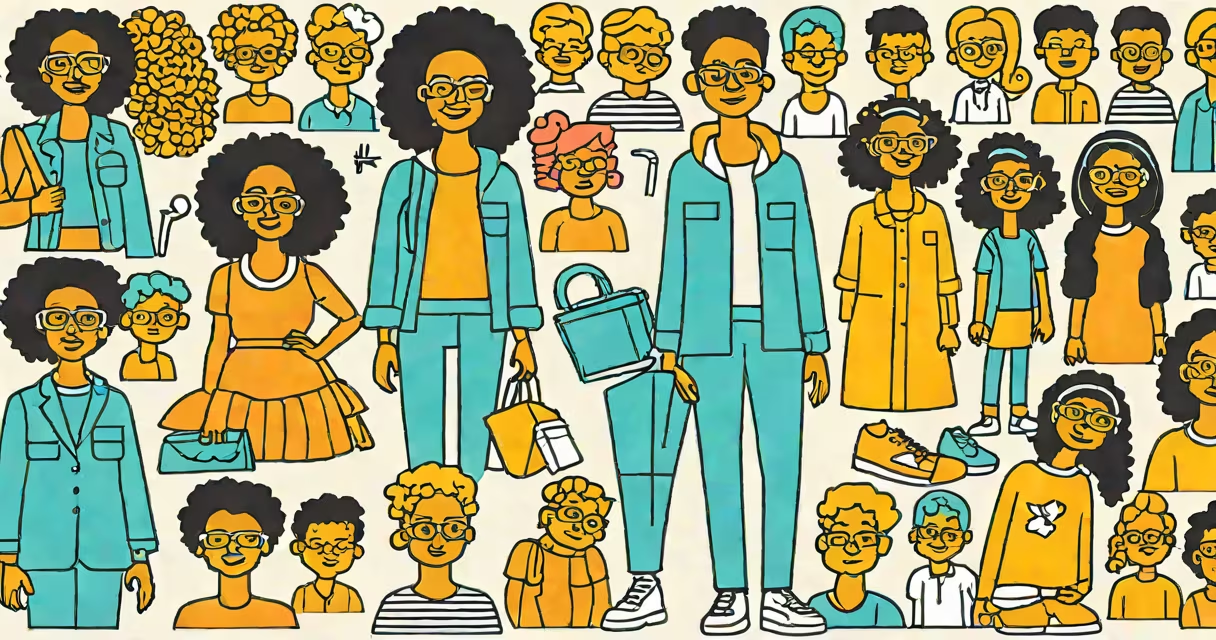
Pan gender is a gender identity in which a person experiences their gender as including or encompassing all gender identities, including male, female, non-binary, and beyond. It is not a synonym for non-binary or genderqueer, though it shares overlapping space with them.
Pan gender individuals may feel their gender exists across the entire spectrum of gender expression and identity. They often describe their gender as expansive, inclusive, or boundless. This identity is distinct from being gender-neutral or agender, where a person may experience no gender or a lack of gendered identity.
According to the American Psychological Association (APA), gender identity is a deeply personal sense of one's own gender. The APA recognizes that gender is not limited to binary categories and includes identities such as pan gender, which fall under the broader umbrella of non-binary identities. The World Health Organization (WHO) also acknowledges diverse gender identities in its 2022 guidelines on transgender health care, emphasizing that gender diversity is a natural part of human variation.
Pan gender is not about romantic or sexual attraction-it is about internal experience of gender. A pan gender person may identify as all genders simultaneously, or their gender may shift across different expressions depending on context, mood, or environment.
Some pan gender people use pronouns like they/them, ze/zir, or ey/em. Others may prefer singular pronouns that reflect their fluidity, such as "xe" or "ey." Pronoun choice varies widely and is entirely personal. There is no single way to express pan gender identity.
Unlike gender fluidity-which describes shifting between genders over time-pan gender is not defined by movement. Instead, it reflects a state of being that includes all gender identities at once. A pan gender person may feel their gender is both stable and expansive, not changing but embracing multiplicity.
There is no standardized classification system for pan gender, but some individuals describe their experience using specific frameworks:
| Identity Type | Description | Example Expression |
|---|---|---|
| Omni-gender | Identifies with all genders simultaneously; sometimes used interchangeably with pan gender. | Using multiple pronouns in conversation; wearing clothing representing various gender expressions. |
| Gender-inclusive | Emphasizes the inclusion of all gender identities, especially those historically marginalized. | Advocating for gender-neutral facilities in schools; supporting policies that recognize non-binary identities. |
| Fluid pan | Experiences gender as changing and inclusive, shifting across the spectrum. | Changing pronouns based on daily mood; expressing gender through art that blends masculine, feminine, and non-binary symbols. |
These expressions are not mutually exclusive. A person may identify as both omni-gender and fluid pan, depending on how they experience themselves.
Pan gender is used as a descriptor of self in personal identity, medical records, legal documents, and social spaces. It appears in mental health assessments, university gender identity surveys, and workplace diversity forms.
Its use challenges the assumption that gender must be fixed or binary. By affirming that gender can be all-encompassing, pan gender supports inclusivity in healthcare, education, and policy-making. For example, a 2021 study published in the journal *Sexual and Relationship Therapy* found that transgender and non-binary participants who used gender-affirming language-including terms like pan gender-reported higher psychological well-being than those whose identities were mislabeled or ignored.
In practice, pan gender helps create space for people whose experience doesn't fit into existing boxes. It allows someone to say, "I am not just male or female-I am everything." This clarity reduces the pressure to choose one label when none feels accurate.
Pan gender is frequently mistaken for pansexuality. The two are not the same. Pansexuality refers to romantic or sexual attraction to people regardless of gender. Pan gender refers to internal gender identity. Confusing the two leads to misrepresentation and invalidation of identity.
Another common error is equating pan gender with being "genderless" or "neutral." While some people may use neutral pronouns, pan gender is not about absence-it is about presence and inclusion. A pan gender person may feel deeply connected to all gender expressions, not detached from them.
A lesser-known but critical distinction: pan gender is not the same as bigender or trigender. Bigender involves identifying with two distinct genders, often alternating between them. Trigender involves three. Pan gender is not defined by a count-it is defined by totality.
One non-obvious fact: pan gender is not a new identity. Historical records show similar concepts in Indigenous cultures across North America and Polynesia. For example, the Two-Spirit tradition among many Native American tribes includes roles that transcend binary gender and embrace inclusivity. While not identical to modern pan gender, these traditions validate the idea that gender can be expansive and all-encompassing.
Consider Jordan, a 26-year-old artist living in Portland. Jordan uses they/them pronouns and identifies as pan gender. They describe their gender as "a full spectrum-like standing inside a rainbow." Their artwork features figures with mixed gender traits, blending masculine and feminine features, while also incorporating symbols from non-Western gender systems.
Jordan's identity was affirmed during a gender clinic visit. The provider asked, "Do you feel your gender includes all identities?" Jordan replied, "Yes. Not just male or female-but everything." The clinician documented this as "pan gender" in the patient record. This documentation helped Jordan access hormone therapy and mental health support tailored to their identity.
This example shows how pan gender functions in clinical settings-not as a diagnosis, but as a valid self-description that guides care.
I once facilitated a workshop on gender identity at a community center. One participant, Sam, shared that they had spent years trying to fit into male or female categories. After learning about pan gender, they said, "I finally understand why I never felt like either. I'm not missing something-I'm complete." That moment underscored how naming an identity can bring relief and clarity.
Pan gender sits within the broader field of gender diversity. It overlaps with identities like genderqueer, non-binary, and agender. However, it is not synonymous with any of them. Each term captures a different facet of gender experience.
For instance, genderqueer often implies a challenge to traditional gender norms. Non-binary rejects the male/female binary. Agender describes a lack of gender. Pan gender adds the dimension of totality and inclusion.
Understanding these differences prevents erasure. A person may be both pan gender and genderqueer, but being one does not imply the other. Labels are tools for self-understanding, not rigid categories.
When discussing pan gender, always prioritize the individual's chosen language. Use the pronouns and terms they share. Avoid assumptions based on appearance, name, or presentation. Respectful language supports dignity and mental health.
Recognizing pan gender is not about fitting someone into a box. It's about acknowledging that gender can be vast, complex, and deeply personal. The existence of pan gender affirms that identity is not limited to what fits in a binary.