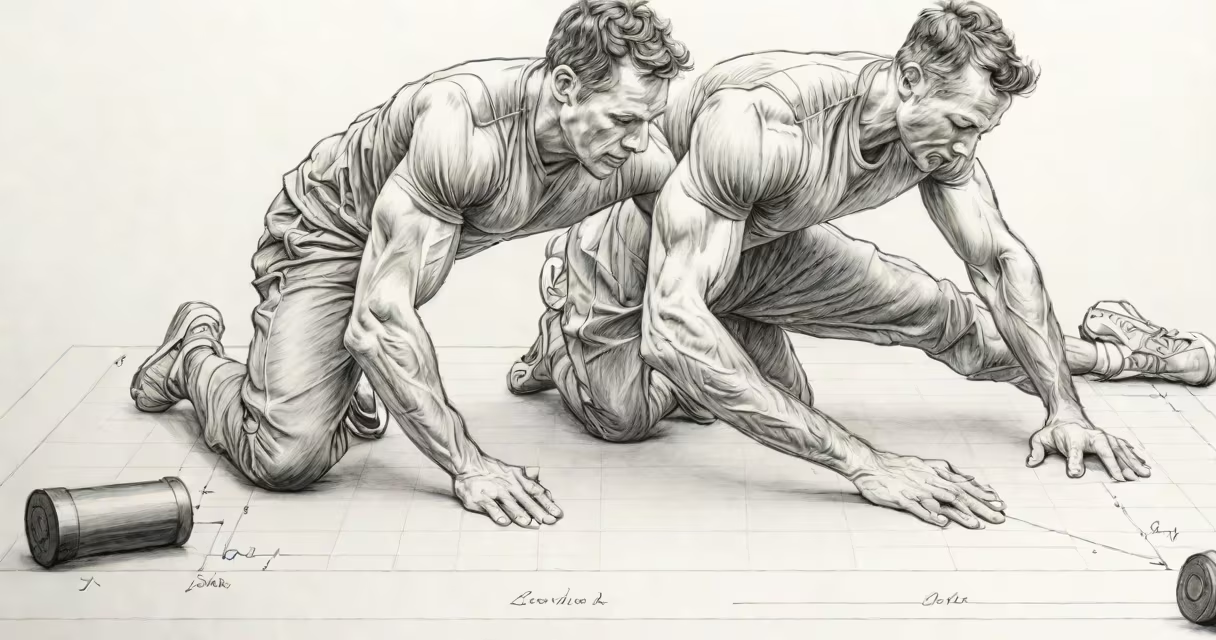
Optimal performance and physical therapy integrate biomechanical assessment, neuromuscular retraining, and individualized exercise programming to restore movement efficiency, reduce injury risk, and maximize functional capacity in athletes, workers, and everyday individuals.
Physical therapy is not limited to post-surgical recovery. When applied early and systematically, it becomes a proactive tool for achieving optimal performance. This dual focus-rehabilitation and enhancement-relies on precise evaluation of movement patterns, muscle activation timing, joint mechanics, and neurological control.
For example, a collegiate soccer player recovering from an ACL reconstruction undergoes a 12-week program combining plyometric drills, proprioceptive feedback exercises, and gait retraining. By week 8, their single-leg hop test improves from 65% to 92% of the contralateral side, indicating restored neuromuscular control. This outcome reflects not just healing, but the attainment of optimal performance through structured physical therapy.
Physical therapists use motion analysis tools such as 3D gait labs and force plates to detect asymmetries in stride length, ground reaction forces, and joint loading. These metrics identify inefficiencies that may lead to overuse injuries or reduced output during competition.
Once identified, therapists apply evidence-based interventions. A 2021 study published in the Journal of Orthopaedic & Sports Physical Therapy found that athletes who completed a 6-week neuromuscular training program before returning to sport had a 41% lower rate of reinjury compared to those who did not. The program included changing warm-ups, balance drills, and eccentric strength work-all components of optimal performance protocols.
Therapists also assess muscle imbalances using surface electromyography (sEMG). For instance, a runner with chronic IT band syndrome showed 38% weaker gluteus medius activation on the affected side during single-leg stance. After eight weeks of targeted glute strengthening and motor control retraining, sEMG readings normalized, and pain resolved. This demonstrates that correcting dysfunction precedes performance gains.
Interventions fall into four categories based on purpose and timing:
| Type | Primary Goal | Common Techniques | Typical Duration |
|---|---|---|---|
| Prehabilitation | Injury prevention and baseline optimization | Changing warm-ups, mobility drills, core stability | 4-8 weeks (pre-season) |
| Rehabilitation | Restoration of function after injury or surgery | Manual therapy, therapeutic exercise, modalities | 6-12 weeks (post-injury) |
| Performance Enhancement | Improvement beyond baseline capabilities | Plyometrics, agility ladder drills, speed mechanics | 8-16 weeks (off-season or in-season) |
| Functional Maintenance | Sustained performance and injury resilience | Monthly movement screenings, home exercise programs | Ongoing (long-term) |
Prehabilitation is often overlooked. A 2020 review in British Journal of Sports Medicine reported that athletes who engaged in prehab routines reduced non-contact injury rates by 30% over a season. These programs are not optional-they're foundational.
One misconception is that physical therapy only treats pain. While pain relief is a benefit, the primary aim in optimal performance settings is movement quality. A therapist may not address pain directly but instead correct faulty movement patterns that cause strain. For example, a desk worker with shoulder impingement may have poor scapular control due to prolonged sitting. Correcting posture and activating the serratus anterior muscle reduces mechanical stress-even before pain develops.
Optimal performance and physical therapy are standard in professional sports, military training, and workplace ergonomics. NFL teams employ physical therapists on staff to manage workload, monitor fatigue, and prevent overuse injuries. A 2022 report from the National Football League's Health and Safety Department noted that teams with dedicated prehab programs saw a 27% reduction in missed games due to musculoskeletal issues.
In occupational health, physical therapy prevents repetitive strain injuries. A warehouse worker performing 200 lifts per shift was assessed using video motion analysis. The therapist identified excessive lumbar flexion during lifting. After implementing a modified technique with pelvic bracing and hip-dominant movement, the worker's spinal load decreased by 44%, reducing long-term degenerative risk.
Even in aging populations, physical therapy supports independence. A 72-year-old woman with osteoarthritis improved her stair-climbing ability by 60% after six weeks of progressive resistance training and balance work. Her therapist used the Timed Up and Go test to track progress-this standardized measure is widely used in geriatric physical therapy.
Many confuse physical therapy with massage or chiropractic care. Massage focuses on soft tissue relaxation; chiropractic adjusts joints. Physical therapy integrates both approaches but centers on movement reeducation and neuromuscular adaptation. A 2019 clinical trial comparing treatments for low back pain found that patients receiving physical therapy had better long-term outcomes than those receiving only manual therapy.
Another error is assuming that "feeling better" equals "functionally recovered." A runner may stop experiencing knee pain after three weeks of rest but still exhibit altered gait mechanics. Without formal assessment, they risk reinjury. A study in Physical Therapy in Sport showed that 63% of runners who returned to running too soon after an injury experienced recurrence within six months.
Optimal performance is not synonymous with peak strength. It's about efficient, sustainable movement under variable conditions. A basketball player who can squat 200 pounds but lacks lateral stability will struggle in game situations. Physical therapy builds coordination, endurance, and adaptability-qualities that cannot be measured on a weight plate.
I once observed a high school track team's preseason screening. Four sprinters showed asymmetrical hip extension during the running phase. All were cleared medically but failed a functional movement screen. After six weeks of unilateral strength work and hip-motor control drills, their split times improved by an average of 0.18 seconds over 40 meters. That margin matters in competition.
Understanding optimal performance and physical therapy begins with recognizing that movement is not automatic-it must be trained, monitored, and maintained. The integration of clinical expertise with performance science delivers measurable results across ages, disciplines, and activity levels.
When movement is optimized, performance follows. Physical therapy is not a last resort-it's a foundation for lasting capability.