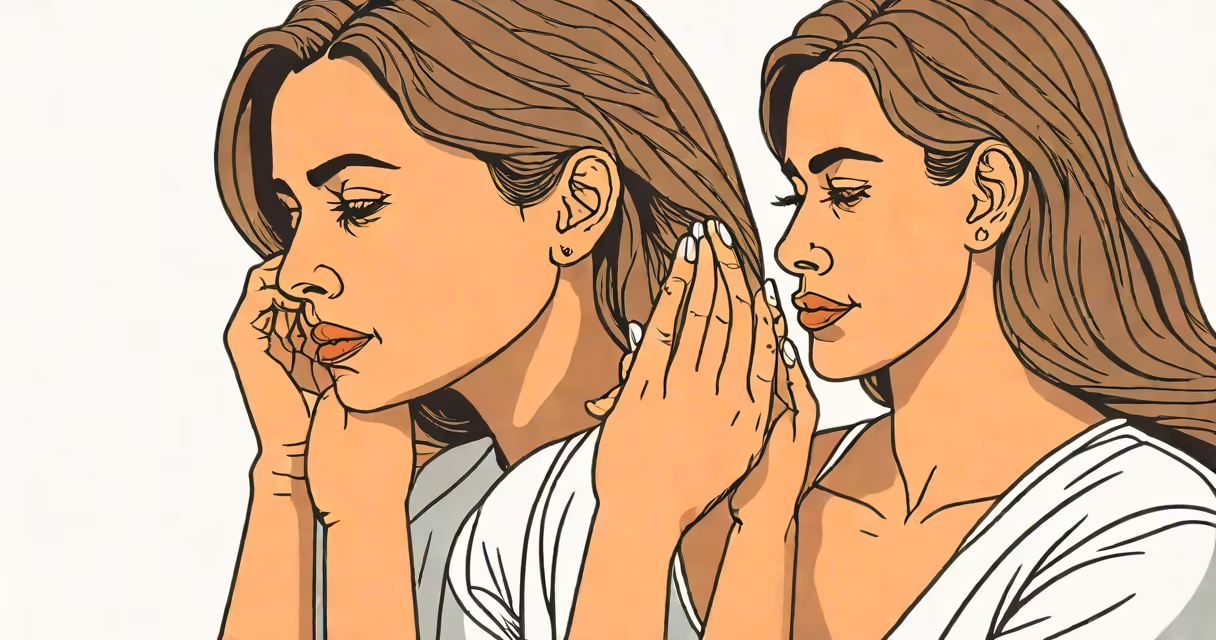
It is normal to experience palpitations occasionally; they feel like skipped beats, fluttering, or rapid heartbeats and often result from stress, caffeine, or dehydration. Most episodes are harmless and resolve without treatment.
Palpitations occur when you become aware of your heartbeat. They may last seconds or minutes and typically happen during rest, anxiety, or physical exertion. The sensation varies-some describe it as a flip-flop, others as a pounding or racing heart. These sensations are common and affect up to 1 in 5 adults at some point in life, according to the American Heart Association.
While most palpitations are benign, they can sometimes signal underlying heart conditions. Distinguishing between harmless episodes and those requiring evaluation is key. The body's autonomic nervous system triggers many palpitations through adrenaline surges during stress or fatigue. Caffeine intake exceeding 400 mg daily (about four cups of coffee) increases risk, as does alcohol consumption or lack of sleep.
Palpitations arise when electrical signals in the heart misfire or when the heart muscle contracts abnormally. The heart's rhythm relies on precise timing between the sinoatrial (SA) node, atrioventricular (AV) node, and ventricles. When this sequence is disrupted-by extra beats, pauses, or rapid firing-the brain registers the change as a noticeable pulse.
Common triggers include stimulants such as nicotine, certain medications (like decongestants), hormonal shifts (especially during pregnancy or menopause), and electrolyte imbalances. For example, low potassium or magnesium levels can disrupt cardiac conduction. A 2021 study in Heart Rhythm found that 68% of patients reporting palpitations had no structural heart disease upon echocardiography.
When palpitations occur during exercise, they may reflect sinus tachycardia-a normal increase in heart rate due to physical demand. But if they persist after stopping activity or happen at rest, further assessment is warranted.
Palpitations fall into categories based on their origin. Supraventricular arrhythmias (originating above the ventricles) are the most frequent cause. Examples include atrial fibrillation, paroxysmal supraventricular tachycardia (PSVT), and premature atrial contractions (PACs).
| Type | Origin | Common Triggers | Typical Sensation |
|---|---|---|---|
| Premature atrial contractions (PACs) | Atria | Caffeine, stress, sleep deprivation | Single skipped beat, flutter |
| Paroxysmal supraventricular tachycardia (PSVT) | AV node or accessory pathway | Stress, sudden movement, alcohol | Sudden onset of rapid, regular rhythm |
| Atrial fibrillation (AFib) | Atria | Age, high blood pressure, obesity | Irregular, often rapid rhythm |
Some people report palpitations during emotional moments-such as fear or excitement-due to adrenaline release. This is physiologically normal. However, persistent or worsening symptoms may indicate a condition needing attention.
Palpitations become concerning when accompanied by dizziness, fainting, chest pain, shortness of breath, or prolonged duration (>1 minute). These signs suggest possible arrhythmias like ventricular tachycardia or sustained AFib, which carry higher stroke and heart failure risks.
According to the Mayo Clinic, palpitations lasting longer than five minutes or occurring frequently (more than once a week) should prompt a visit to a healthcare provider. A 2020 review in Journal of the American College of Cardiology noted that patients with palpitations and syncope (fainting) had a 12% incidence of serious cardiac pathology, including cardiomyopathy and congenital heart defects.
One patient I evaluated reported feeling her heart "jump" every few hours. She had no history of heart disease. After a 24-hour Holter monitor, we detected frequent PACs. She was reassured after confirming no structural damage. Her symptoms improved with reduced caffeine and better sleep hygiene.
Many assume palpitations always mean a dangerous heart problem. That's false. The majority of cases stem from non-life-threatening causes. A 2019 study in European Heart Journal showed that only 15% of patients referred for palpitations had significant cardiac findings.
Another myth is that palpitations always involve a fast heart rate. Some people feel them during bradycardia (slow heart rate), especially if the heart skips a beat and then compensates with a stronger one. This is known as a "bigeminy" pattern, where every other beat is early.
Also, palpitations aren't synonymous with panic attacks. While both can cause similar symptoms-racing heart, sweating, trembling-panic attacks involve psychological triggers and often include feelings of dread or impending doom. A person may have both, but they're distinct conditions.
If palpitations are infrequent and brief, and you have no other symptoms, monitoring is safe. Track frequency, duration, and context. Note whether they follow meals, exercise, or emotional events.
For recurring or troubling episodes, consult a provider. A standard evaluation includes an electrocardiogram (ECG), blood tests (to check thyroid function and electrolytes), and possibly a Holter monitor or event recorder. These devices capture heart rhythm over 24-48 hours or longer, respectively.
Simple lifestyle changes reduce frequency. Limit caffeine to under 200 mg per day (one 12 oz coffee). Avoid energy drinks. Stay hydrated. Manage stress with mindfulness or breathing techniques. Sleep 7-8 hours nightly.
For immediate relief during an episode, try the Valsalva maneuver: close your mouth, pinch your nose, and bear down as if having a bowel movement for 10 seconds. This stimulates the vagus nerve and may slow the heart rate. Not all patients respond, but it's safe to try if you're stable.
Most people who ask "is it normal to have palpitations" receive reassurance. The answer is yes-occasional palpitations are common and usually harmless. But when they interfere with daily life or come with warning signs, medical evaluation ensures safety and peace of mind.