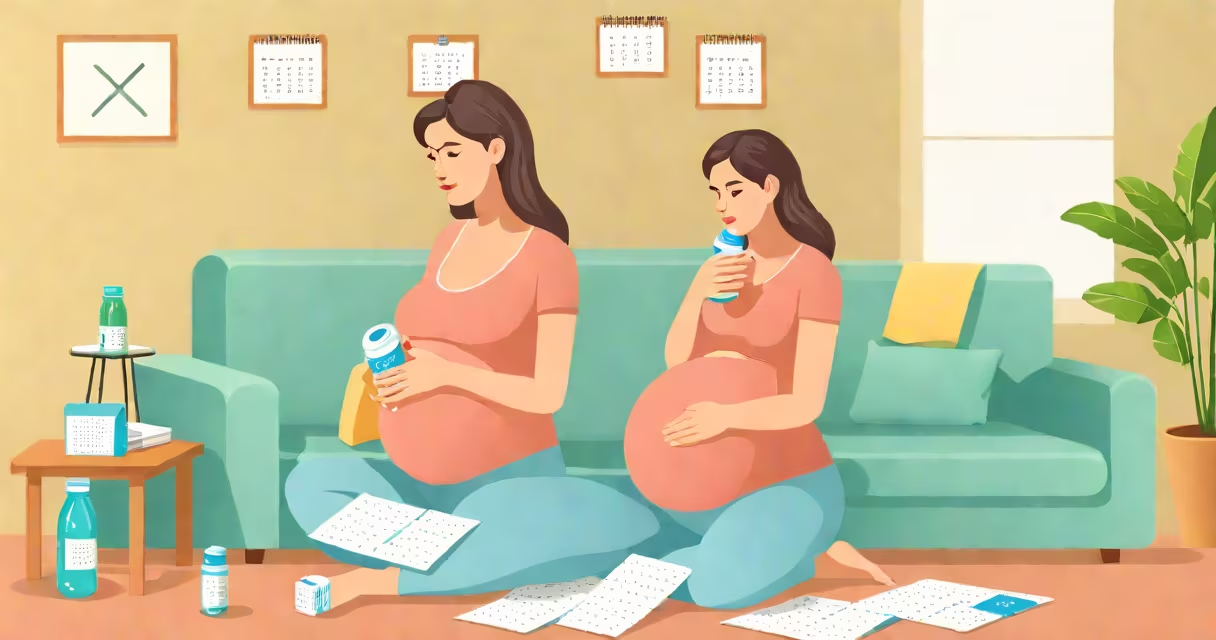
Frequent urination during pregnancy results from increased blood volume, rising levels of the hormone human chorionic gonadotropin (hCG), and growing uterine pressure on the bladder. This occurs in nearly 80% of pregnancies, especially during the first and third trimesters.
During early pregnancy, hCG levels rise rapidly-peaking around week 10-and stimulate kidney function, increasing urine production. By the end of the first trimester, blood volume increases by about 40%, which forces the kidneys to filter more fluid. The result: more urine output and a greater need to void.
In the third trimester, the expanding uterus presses directly on the bladder. A fetus weighing 6 to 8 pounds by week 36 occupies most of the pelvic cavity, reducing bladder capacity by up to 50%. This mechanical pressure causes urgent, frequent urges-even with small amounts of urine.
The kidneys process about 180 liters of blood daily during pregnancy, compared to 120 liters in non-pregnant adults. This heightened filtration rate produces more waste products and excess fluid, leading to increased urine output. The body's demand for efficient waste removal drives this physiological shift.
Progesterone, another key hormone in pregnancy, relaxes smooth muscle throughout the body-including the ureters and bladder sphincter. This relaxation slows urine flow and increases the risk of incomplete emptying, contributing to urgency and frequency.
A 2021 study published in Obstetrics & Gynecology found that 76% of women reported needing to urinate at least once per hour during late pregnancy. Most described waking two to four times nightly, disrupting sleep patterns and affecting quality of life.
Urinary frequency typically follows a predictable pattern across gestation:
| Trimester | Primary Cause | Typical Frequency |
|---|---|---|
| First (weeks 1-12) | hCG surge and rising blood volume | Every 1-2 hours |
| Second (weeks 13-26) | Stabilized hormones; minimal pressure | Every 2-3 hours |
| Third (weeks 27-40) | Uterine pressure and reduced bladder capacity | Every 1-1.5 hours; often nocturnal |
Some women report relief in the second trimester as the uterus rises out of the pelvis. However, symptoms return strongly after week 32 as the baby drops into the birth canal-a process called lightening.
Many assume frequent urination signals a urinary tract infection (UTI), but UTIs involve pain, burning, fever, or cloudy urine. True frequency without these signs is normal. According to the American College of Obstetricians and Gynecologists (ACOG), frequent urination is not a sign of infection unless accompanied by symptoms.
Another myth is that drinking less fluid reduces urination. Reducing intake risks dehydration, which increases the concentration of waste products in urine and raises infection risk. ACOG recommends 8-10 cups of fluids daily during pregnancy.
One non-obvious fact: the bladder can hold up to 400-600 mL of urine in adults. During pregnancy, even 100 mL may trigger urgency due to decreased capacity. This explains why women feel the need to go after drinking just one glass of water.
Consider Maria, a 32-week pregnant woman. She wakes at 5:30 a.m. and urinates immediately. By 7:00 a.m., she's gone twice-after breakfast and a morning walk. At work, she uses the restroom every 90 minutes. Her lunch break includes a 15-minute bathroom visit. After dinner, she goes three times before bed. She averages 12 trips daily.
Her doctor confirms no infection via dipstick test. Blood tests show normal kidney function. The cause is anatomical pressure and hormonal influence-not disease. Maria's experience reflects the norm, not an anomaly.
Seek care if urination is painful, bloody, or accompanied by fever. These signs may indicate a UTI or kidney involvement. ACOG notes that untreated UTIs increase preterm labor risk by 30%.
Also consult a provider if frequency interferes with daily activities or sleep. Pelvic floor therapy can improve bladder control. In rare cases, stress incontinence may require evaluation.
I once observed a patient who avoided water to reduce bathroom trips. She developed mild dehydration and was hospitalized for electrolyte imbalance. Her story illustrates why restricting fluids worsens outcomes.
Frequent urination differs from polyuria (excessive urine production due to diabetes or kidney disorders). Polyuria involves volumes exceeding 3 liters per day. In pregnancy, average output remains under 2.5 liters, even with high frequency.
It also differs from incontinence-loss of urine control. While both occur in pregnancy, they stem from different mechanisms. Incontinence involves weakened pelvic muscles. Frequency is driven by volume and pressure.
Understanding why pregnant women pee so much reveals a complex interplay of biology, anatomy, and physiology. It's not a flaw-it's a necessary adaptation supporting fetal development and maternal health.
Recognizing the difference between normal frequency and pathological symptoms ensures timely care. For most women, frequent urination is a temporary, expected part of pregnancy-not a condition to fix, but a sign of a healthy, evolving body.