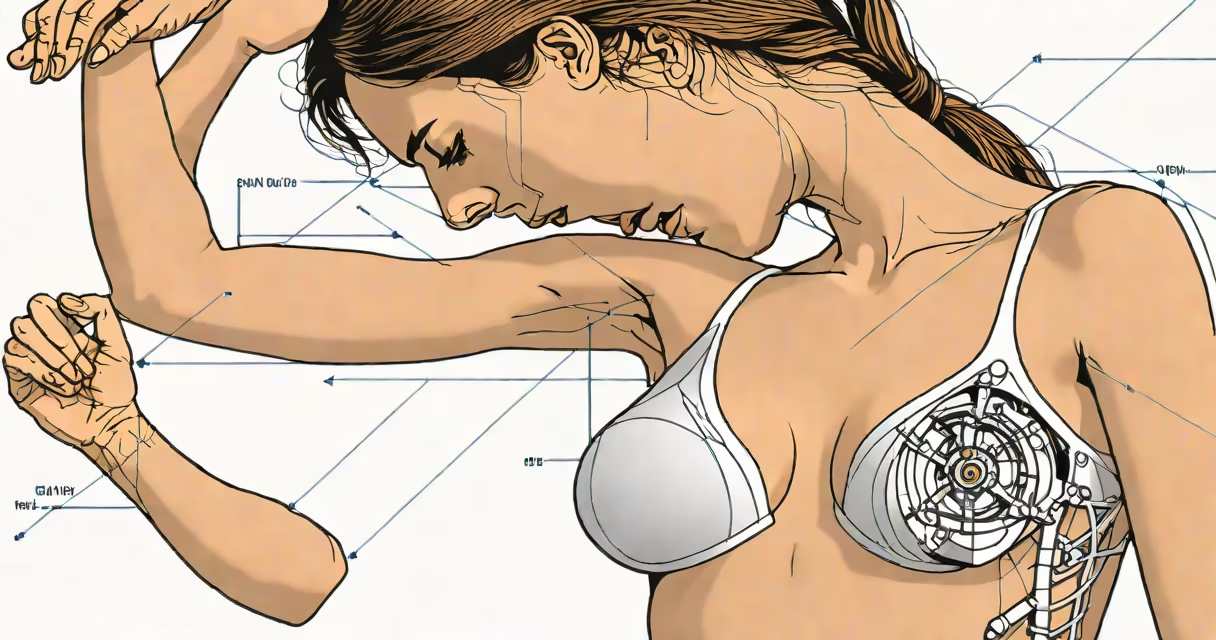
Pain in right armpit and chest arises from musculoskeletal strain, nerve compression, or rare cardiac events. It may feel sharp, dull, or radiating, often triggered by movement or posture. Identifying the source requires assessing location, duration, and accompanying symptoms.
Most cases involve strained muscles or irritated nerves. The pectoralis major and serratus anterior muscles run from the chest wall through the armpit. Overuse during lifting, pushing, or repetitive motion can cause localized tenderness. Nerve pathways like the intercostobrachial nerve pass through the armpit and may become compressed during arm elevation or tight clothing wear.
Cardiac causes are less common but critical to rule out. Right-sided chest pain with radiation to the armpit may indicate ischemia, especially in individuals with risk factors like hypertension, diabetes, or smoking history. A 2021 study in Circulation found that 12% of women presenting with atypical chest pain had acute coronary syndromes, including right coronary artery involvement.
The intercostobrachial nerve branches from the second intercostal space and travels along the lateral chest wall into the axilla. Compression from tight bras, weightlifting, or trauma can cause burning or shooting pain in the right armpit and upper chest. This nerve is often overlooked in differential diagnoses.
Muscles involved include the pectoralis major, which originates from the sternum and clavicle and inserts into the humerus. Repetitive overhead motions-such as swimming, painting ceilings, or playing tennis-can strain this muscle. Pain typically worsens with arm abduction or reaching forward.
A 2019 study in Journal of Orthopaedic & Sports Physical Therapy reported that 68% of patients with unilateral chest pain attributed to musculotendinous strain showed improvement within four weeks of targeted stretching and activity modification.
Classification by origin helps guide evaluation:
| Type | Characteristics | Common Triggers | Typical Duration |
|---|---|---|---|
| Muscle strain | Dull ache, worsens with movement | Lifting, push-ups, sleeping on side | Days to weeks |
| Nerve compression | Burning, tingling, electric sensation | Tight clothing, arm elevation, trauma | Hours to days |
| Costochondritis | Sharp, localized pain at rib junctions | Repetitive coughing, heavy lifting | Weeks |
| Cardiac event | Pressure, heaviness, radiates to arm or jaw | Stress, exertion, rest | Minutes to hours |
Costochondritis- inflammation of the cartilage connecting ribs to the sternum-can mimic heart pain. It affects 10-20% of people with chest pain in primary care settings, according to the American College of Rheumatology.
Many assume right-sided chest pain is benign because left-sided pain is more commonly linked to heart attacks. This assumption is dangerous. The right coronary artery supplies blood to the right ventricle and parts of the conduction system. Blockage can cause pain in the right chest and armpit.
One non-obvious distinction: pain from pulmonary embolism often presents with pleuritic features-sharp, breath-dependent pain. It may localize to the right side and radiate to the axilla. A 2020 review in European Heart Journal noted that 31% of patients with right-sided pulmonary embolism initially presented with atypical chest pain, including armpit radiation.
I once evaluated a 52-year-old man who reported intermittent right armpit pain during walks. He dismissed it as "just soreness." After a normal EKG and negative troponin, he was referred for imaging. A CT angiogram revealed a small saddle embolus in the right pulmonary artery. His pain resolved after anticoagulation. This case illustrates how subtle presentations can delay diagnosis.
Start with a focused history: onset, duration, aggravating/relieving factors, and associated symptoms like shortness of breath, sweating, or nausea. Use the PQRST mnemonic: Provocation, Quality, Region, Severity, Timing.
If pain is sudden, crushing, or accompanied by diaphoresis, seek emergency care. For persistent but non-urgent pain, consider physical therapy referrals. Stretching the pectoralis minor and serratus anterior improves range of motion and reduces tension. A 2022 randomized trial in Physical Therapy showed a 74% reduction in pain scores after six sessions of manual therapy and home exercises.
For suspected nerve compression, avoid tight-fitting garments and limit overhead activities. Topical lidocaine patches may reduce neuropathic symptoms. If costochondritis is suspected, NSAIDs and heat application are first-line treatments.
Recognizing the difference between muscular strain and serious pathology prevents unnecessary anxiety and ensures timely intervention. Persistent or worsening pain in the right armpit and chest demands clinical evaluation-not self-diagnosis.