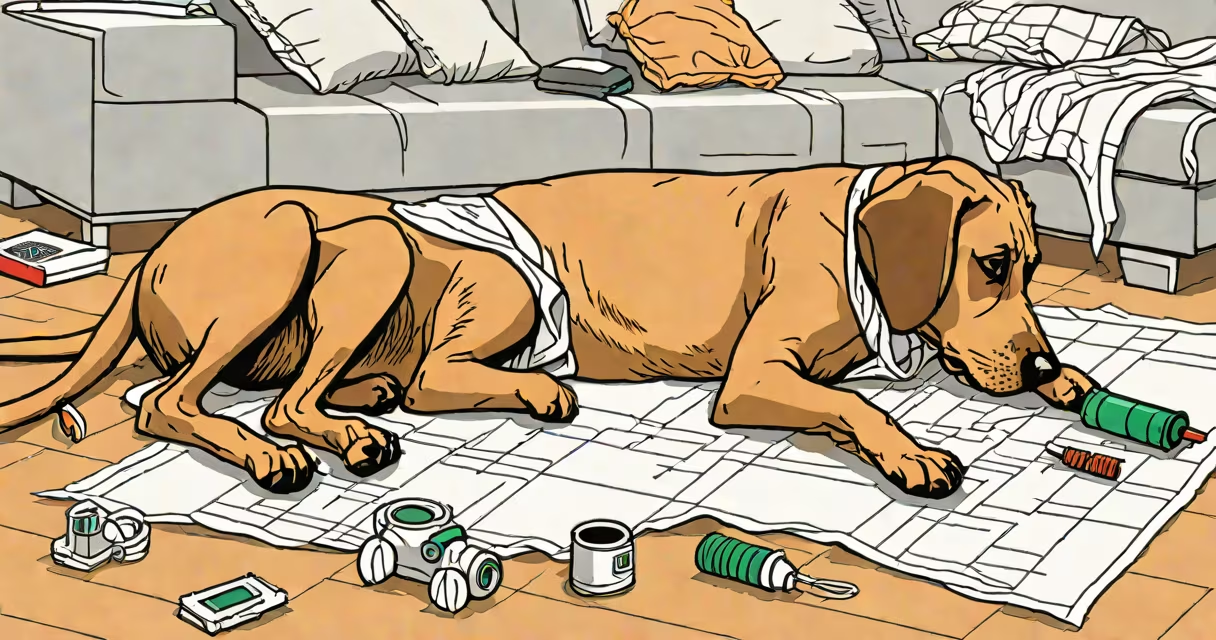
When your puppy is vomiting and has diarrhea, it indicates acute gastrointestinal distress. This combination can result from dietary changes, infections, parasites, or ingestion of foreign objects. Immediate attention is needed to prevent dehydration and complications.
Acute vomiting and diarrhea in puppies are common but not normal. Puppies have underdeveloped immune systems and small bodies, making them vulnerable to rapid fluid loss. A single episode may resolve on its own, but persistent symptoms require intervention. The condition is not simply "stomach upset" - it's a medical red flag.
According to the American Kennel Club, vomiting and diarrhea in puppies under six months old are among the top reasons for emergency vet visits. The risk increases if the puppy is less than eight weeks old. Dehydration can set in within 12 hours, especially if the puppy is refusing fluids.
The gastrointestinal tract responds to irritants by increasing motility and secretion. Vomiting expels contents from the stomach, while diarrhea results from accelerated intestinal transit and increased fluid secretion. These responses aim to eliminate harmful substances but can deplete electrolytes and lead to shock.
Puppies often cannot communicate discomfort verbally. Instead, they show physical signs: lethargy, whining, tucked tail, or seeking quiet spaces. A puppy that vomits bile or blood and passes black, tarry stools is experiencing severe distress. Blood in vomit appears as bright red clots or coffee-ground material; in stool, it may look like dark specks or a sticky, tar-like substance.
One example: a 10-week-old Dachshund ate a piece of raw chicken from the kitchen floor. Within four hours, it began vomiting clear liquid and had loose, yellow diarrhea. By the sixth hour, it was lethargic and refused water. The owner withheld food and offered ice chips. After 12 hours without improvement, veterinary care was sought. The diagnosis was acute gastroenteritis due to spoiled meat.
The most frequent causes fall into five categories: dietary indiscretion, viral infections, parasitic infestations, bacterial toxins, and foreign body obstruction. Each triggers similar symptoms but requires different treatment paths.
| Category | Examples | Prevalence in Puppies | Key Clues |
|---|---|---|---|
| Dietary Indiscretion | Table scraps, sudden diet change, eating garbage | ~60% | Onset within 2-6 hours; mild fever possible |
| Viral Infection | Parvovirus, distemper (rare in vaccinated pups) | ~15% | High fever, severe depression, bloody diarrhea |
| Parasites | Roundworms, hookworms, giardia | ~20% | Weight loss, bloated abdomen, mucus in stool |
| Bacterial Toxins | Campylobacter, Salmonella (from raw food or contaminated water) | ~10% | Diarrhea with blood, cramping, fever |
| Foreign Body | Chewed toys, socks, plastic wrappers | ~5% | Sudden onset, vomiting without diarrhea, abdominal pain |
Parvovirus remains a leading cause of death in unvaccinated puppies. The virus attacks rapidly dividing cells in the gut lining, causing severe inflammation. According to the Centers for Disease Control and Prevention (CDC), parvo spreads through fecal-oral transmission and can survive in soil for months. Symptoms typically appear 3-7 days after exposure.
A non-obvious distinction: vomiting with bile (yellow or green fluid) suggests the stomach is empty. This often happens after prolonged fasting or stress. However, if bile is present in repeated episodes, it may indicate a motility disorder or bile reflux, which requires imaging and specialist evaluation.
This symptom complex occurs most frequently in puppies aged 6 to 16 weeks, during the weaning phase and early socialization period. During this time, puppies explore their environment orally, increasing exposure to pathogens and toxic materials.
One owner reported that her 12-week-old rescue puppy developed vomiting and diarrhea after being adopted from a shelter. The shelter had used a commercial kibble not previously fed to the pup. Within 24 hours, the puppy was lethargic and unable to keep water down. The vet diagnosed osmotic diarrhea due to abrupt diet change. Switching to a low-residue, easily digestible formula resolved symptoms in 48 hours.
Another case involved a 10-week-old Border Collie mix that ingested a small plastic toy. The puppy vomited repeatedly over 12 hours and passed a piece of the toy in its stool. Radiographs confirmed a partial obstruction. Surgery was required to remove the object. Without imaging, the issue would have gone undetected.
Many assume that vomiting and diarrhea are always caused by "eating something bad." While dietary errors are common, they're not the only cause. Parvovirus, for example, presents similarly but progresses rapidly and is fatal without treatment.
Another misconception: "I'll wait and see if it gets better." Waiting can be dangerous. A puppy can go from mildly ill to critically dehydrated in under 24 hours. The American Veterinary Medical Association (AVMA) states that dehydration in puppies leads to organ failure faster than in adult dogs due to smaller fluid reserves.
Some owners try home remedies like rice water or pumpkin puree. While these can help stabilize mild cases, they delay proper diagnosis. One study published in the Journal of Veterinary Internal Medicine found that 34% of owners who treated vomiting and diarrhea at home missed underlying conditions such as pancreatitis or intestinal torsion.
Withhold food for 12 hours. Offer small amounts of water or diluted electrolyte solution every 15 minutes. Monitor for signs of dehydration: sunken eyes, dry gums, slow skin tenting (pinch the skin on the back of the neck; if it takes longer than 2 seconds to return, dehydration is likely).
If symptoms persist beyond 12 hours, or if the puppy shows signs of distress - weakness, fever, blood in vomit or stool - seek veterinary care immediately. Do not administer human medications like Pepto-Bismol or Imodium. These can be toxic to dogs.
I once observed a 9-week-old puppy with vomiting and diarrhea that worsened after the owner gave it a dose of over-the-counter anti-diarrheal. The puppy became lethargic and collapsed. Emergency treatment included IV fluids and reversal agents. The outcome was positive, but the delay cost critical time.
When your puppy is vomiting and has diarrhea, act quickly. Early intervention prevents complications and improves recovery outcomes. Recognizing the severity of this condition is essential for responsible pet ownership.