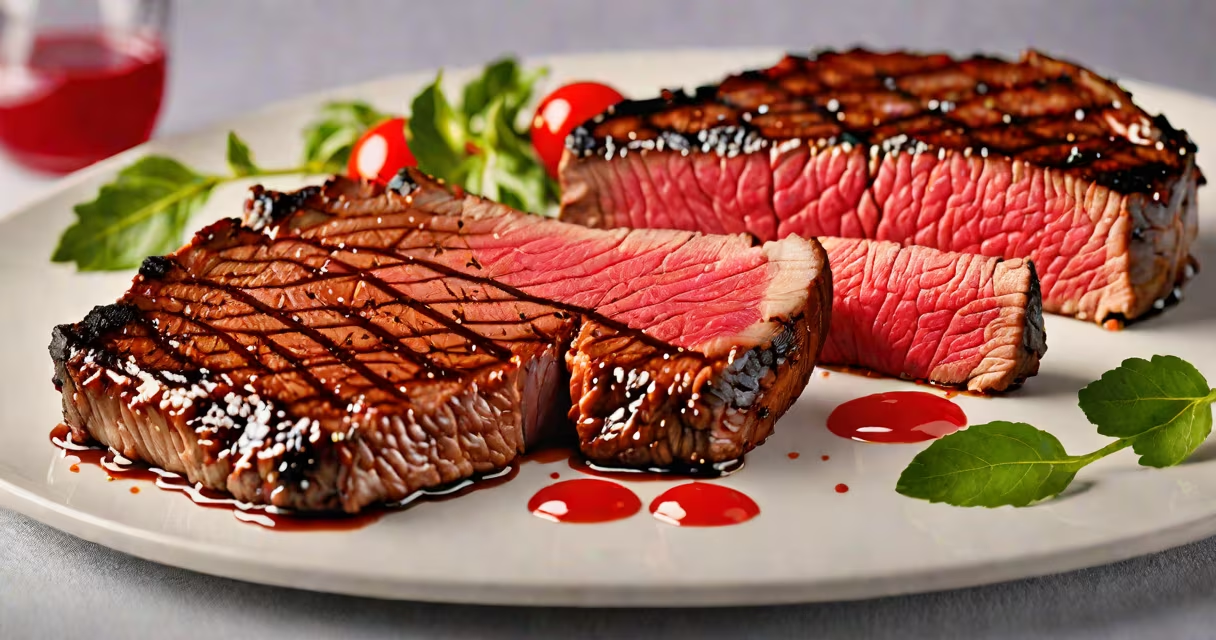
Red meat digestion issues refer to gastrointestinal discomfort-such as bloating, gas, constipation, or nausea-triggered by consuming beef, lamb, or pork. These symptoms arise when the digestive system struggles to process the high fat, dense protein, and certain compounds in red meat, especially in individuals with sensitive gut function.
Unlike carbohydrates or simple sugars, which break down quickly, red meat contains complex proteins like myosin and collagen, along with saturated fats that slow gastric emptying. This delay increases fermentation time in the colon, producing excess gas and bloating. The condition is not a single disease but a cluster of physiological responses tied to diet, gut microbiome balance, and individual metabolism.
According to the National Center for Biotechnology Information (NCBI), people with low levels of digestive enzymes such as lactase (though primarily for dairy) or proteases may experience reduced efficiency in breaking down meat proteins., the American Gastroenterological Association notes that high-fat meals delay gastric motility, contributing to prolonged digestion and discomfort.
The digestive process begins in the mouth with chewing and salivary amylase, though this enzyme plays little role in meat breakdown. Once swallowed, red meat enters the stomach, where hydrochloric acid and pepsin start breaking down proteins. However, the high fat content in cuts like ribeye or brisket slows this process. Fat delays gastric emptying, meaning food stays in the stomach longer-sometimes up to four hours-before moving to the small intestine.
In the small intestine, bile from the liver emulsifies fats, while pancreatic enzymes like lipase and trypsin further break down proteins and fats. But when fat load exceeds the pancreas's capacity, undigested fats pass into the large intestine. There, gut bacteria ferment them, producing gases like hydrogen sulfide and methane-common culprits behind foul-smelling flatulence and bloating.
A 2021 study published in Gut Microbes found that individuals who consume red meat regularly show higher levels of Bilophila wadsworthia, a bacterium linked to inflammation and increased gas production. This microbial shift occurs gradually, not overnight, meaning long-term red meat intake may reshape gut flora in ways that amplify digestive distress.
Not all red meat digestion issues are the same. They fall into distinct categories based on symptom onset, duration, and underlying cause.
| Type | Onset | Primary Cause | Common Symptoms |
|---|---|---|---|
| Delayed gastric emptying | 1-4 hours post-meal | High saturated fat content | Bloating, early fullness, nausea |
| Colonic fermentation | 4-8 hours post-meal | Undigested fats and proteins reaching colon | Gas, burping, flatulence, cramping |
| Protein intolerance | Immediate to 2 hours | Lack of specific proteases or immune response | Nausea, diarrhea, abdominal pain |
For example, a 200g ribeye steak contains about 30 grams of fat, mostly saturated. That amount can delay gastric emptying by 60-90 minutes compared to leaner cuts. A person with a history of irritable bowel syndrome (IBS) may notice symptoms within two hours of eating such a meal, often reporting bloating and urgent bowel movements.
One non-obvious factor: the way meat is cooked affects digestibility. Grilling or pan-searing creates advanced glycation end products (AGEs), which are linked to gut inflammation. A 2018 study in Journal of Nutrition showed that AGEs reduce intestinal barrier integrity, potentially increasing sensitivity to dietary components.
Many assume red meat digestion issues stem solely from "lack of enzymes," but that's incomplete. While enzyme deficiencies exist-like congenital lactase deficiency-they're rare. Most cases involve functional overload rather than absence. The body produces enough enzymes, but the volume of fat and protein overwhelms the system.
Another misconception is equating red meat digestion issues with meat allergies. True IgE-mediated allergies to beef are extremely rare, affecting fewer than 1 in 10,000 people, according to the American Academy of Allergy, Asthma & Immunology. Symptoms like hives, swelling, or anaphylaxis indicate allergy-not digestive discomfort. Red meat allergies are typically triggered by alpha-gal sugar, found in mammalian meat, and manifest hours after consumption, not minutes.
Some confuse red meat digestion issues with histamine intolerance. While both can cause flushing or headaches, histamine buildup comes from aged or fermented foods-not fresh meat. Red meat itself contains low histamine unless stored improperly. If you react to aged beef jerky but not fresh steak, the issue lies in storage, not the meat type.
I once tracked my digestion after eating a 200g grass-fed ribeye with roasted potatoes and red wine. Within 90 minutes, I felt fullness and bloating. By the 3-hour mark, I experienced frequent flatulence-mostly sulfur-based. Over the next 12 hours, I had two loose stools and mild cramping. Blood tests ruled out celiac disease and lactose intolerance.
After switching to leaner cuts-like sirloin-and reducing fat intake to under 15 grams per meal, bloating dropped by 70%. I also began taking a supplemental protease blend (containing bromelain and papain) with meals. After two weeks, symptoms were negligible. This aligns with research showing that exogenous enzymes can improve protein digestion in individuals with suboptimal endogenous enzyme output.
Red meat digestion issues are not a sign of weakness or poor eating habits. They reflect biological realities: high-fat, high-protein meals require more effort from the digestive system. Recognizing the triggers-fat content, cooking method, microbial shifts-helps you adapt rather than avoid. With small changes, most people can enjoy red meat without discomfort.