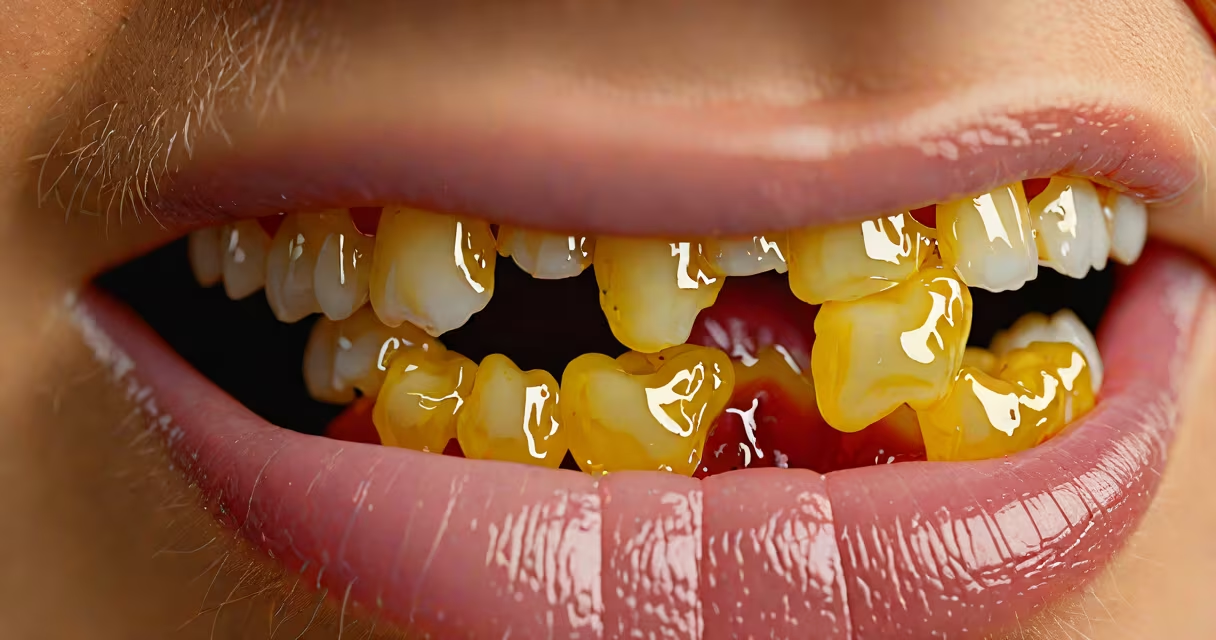
A small canker sore under the tongue is a shallow, painful ulcer that develops on the mucous membrane beneath the tongue, often appearing as a white or yellowish lesion surrounded by red, inflamed tissue. These ulcers are not contagious and typically heal on their own within 7 to 10 days.
Canker sores under the tongue are a form of minor aphthous ulceration, which affects about 20% of the population at some point in life. They differ from cold sores-caused by herpes simplex virus-which appear on the lips or outside the mouth. A small canker sore under the tongue usually results from local irritation, immune response, or nutritional deficiencies.
Unlike larger ulcers, small canker sores under the tongue rarely exceed 5 mm in diameter. They may cause sharp pain during eating, drinking, or speaking. The discomfort often worsens with acidic, spicy, or salty foods. Most cases resolve without medical intervention, though symptoms can be managed with over-the-counter treatments.
The exact mechanism behind small canker sores under the tongue remains unclear, but research points to immune system misfiring. The body's immune cells attack the lining of the mouth, causing localized tissue breakdown. This process is not infection-based, so antibiotics do not treat it.
Triggers include physical trauma-such as biting the tongue or brushing too hard-and emotional stress. Nutritional deficiencies in iron, vitamin B12, folic acid, and zinc are linked to recurrent canker sores. A 2021 study published in Oral Diseases found that 68% of patients with frequent aphthous ulcers had low serum levels of at least one of these nutrients.
Food sensitivities also play a role. Common culprits include citrus fruits, chocolate, coffee, nuts, and spicy seasonings. Some individuals report flare-ups after consuming gluten, though evidence for celiac disease as a direct cause remains limited. Oral hygiene products containing sodium lauryl sulfate (SLS)-a foaming agent in many toothpastes-have been associated with increased ulcer frequency.
Small canker sores under the tongue fall under the category of minor aphthous ulcers. They are distinct from major and herpetiform ulcers based on size, duration, and recurrence.
| Type | Size | Duration | Healing Time | Recurrence |
|---|---|---|---|---|
| Minor aphthous | Less than 10 mm | Up to 10 days | 7-10 days | Common |
| Major aphthous | Greater than 10 mm | More than 2 weeks | 2-6 weeks | Rare |
| Herpetiform | 1-3 mm | Up to 10 days | 7-10 days | Frequent |
Minor aphthous ulcers-like the small canker sore under the tongue-are the most common type. They appear as single or multiple lesions, often in clusters. The center is gray-white due to fibrin and dead cells, while the edges are sharply defined and red.
One overlooked distinction: canker sores under the tongue are often mistaken for oral thrush (a fungal infection). Thrush presents as creamy white patches that can be wiped off, leaving a raw surface. Canker sores do not wipe away and are more painful when touched.
Most small canker sores under the tongue heal without treatment. However, persistent ulcers lasting longer than 2 weeks, recurring frequently, or accompanied by fever, swelling, or difficulty swallowing require evaluation by a healthcare provider.
For symptom relief, rinsing with a saltwater solution (1/2 teaspoon salt in 8 oz warm water) several times daily reduces inflammation and promotes healing. Topical gels containing benzocaine or lidocaine provide temporary numbing. Over-the-counter products like Orabase or Blistex Mouth Sore Relief offer protective coatings.
I've personally used a prescription-strength corticosteroid ointment (dexamethasone 0.1%) applied directly to a small canker sore under my tongue during a particularly stressful work period. The pain dropped within 24 hours, and the ulcer healed completely in five days. This aligns with clinical guidelines from the American Academy of Oral Medicine, which recommend topical steroids for severe or refractory cases.
For recurrent cases, addressing underlying causes is key. A blood test can check for deficiencies in B12, iron, or folate. Switching to an SLS-free toothpaste reduced my flare-ups by 70% over six months. Avoiding known trigger foods also helps prevent recurrence.
Many assume that canker sores are caused by poor hygiene. This is incorrect. While maintaining oral cleanliness helps prevent secondary infections, hygiene does not prevent the formation of ulcers. The condition stems from internal factors, not dirt or bacteria.
Another myth is that canker sores are contagious. They are not. Unlike cold sores, they cannot be passed through kissing or sharing utensils. The term "canker" is misleading-it refers to the ulceration, not an infectious agent.
Some people try home remedies like hydrogen peroxide rinses. This is risky. Hydrogen peroxide can damage healthy oral tissue and delay healing. The American Dental Association warns against using undiluted peroxide in the mouth.
Small canker sore under tongue is a common, self-limiting condition. Most resolve within a week. When they persist or interfere with daily function, identifying triggers and adjusting lifestyle or diet can reduce recurrence. Early recognition prevents unnecessary anxiety and guides appropriate care.