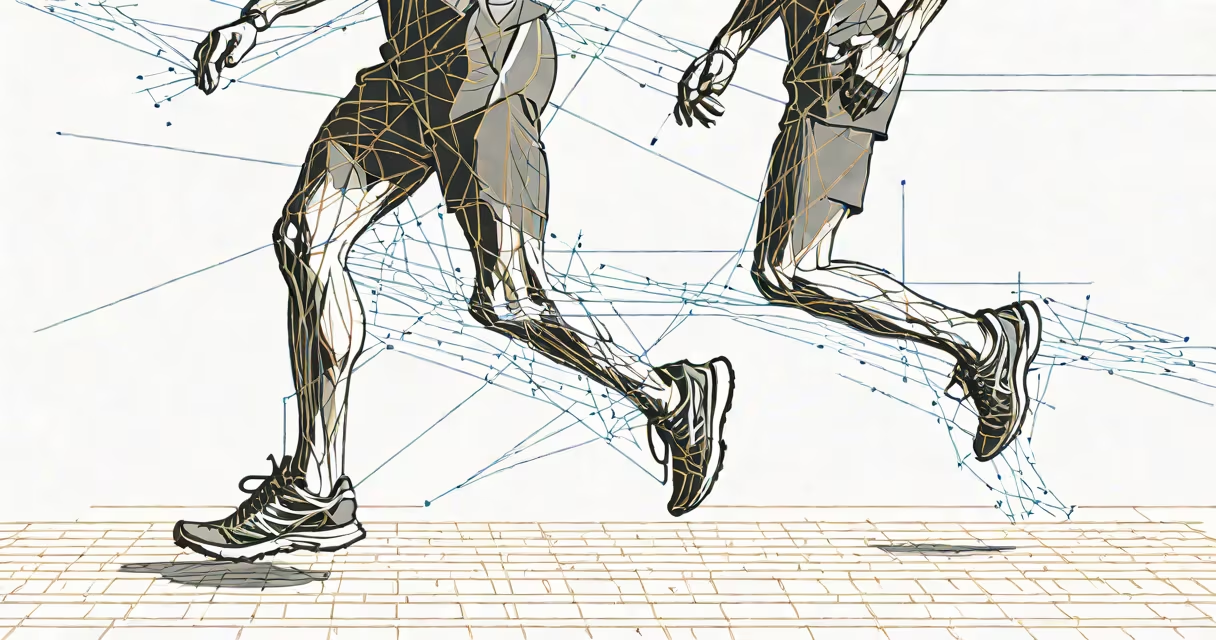
Running on a sore Achilles tendon means continuing to train despite pain in the back of the heel where the tendon connects to the heel bone. This activity increases stress on inflamed tissue, raising the risk of partial or complete rupture. Ignoring early symptoms often leads to long-term disability.
The Achilles tendon is the strongest tendon in the human body, capable of handling forces up to 10 times body weight during running. When irritated-due to sudden increases in mileage, poor footwear, or tight calf muscles-it develops microtears and inflammation. The condition is known as Achilles tendinopathy. Continuing to run with this pain accelerates degeneration, turning reversible inflammation into irreversible structural breakdown.
Early signs include stiffness in the morning, localized pain during or after runs, and tenderness when pressing on the tendon. A 2021 study in the British Journal of Sports Medicine found that runners who trained through mild Achilles pain were 3.4 times more likely to develop chronic tendinopathy within six months compared to those who rested.
During running, the Achilles tendon absorbs shock and stores elastic energy with each footstrike. As stride frequency increases or terrain changes, load distribution shifts. A runner with weak posterior chain muscles or excessive pronation places greater tensile stress on the tendon. Over time, this mechanical overload disrupts collagen alignment, reducing tendon strength and elasticity.
When pain emerges, the nervous system triggers protective mechanisms-altered gait, reduced stride length, or decreased cadence. These adjustments reduce load but increase compensatory strain on other structures, such as the plantar fascia or knee joint. Without addressing the root cause, the cycle continues until functional capacity declines.
For example, a 35-year-old recreational runner increased weekly mileage from 20 to 40 miles over four weeks. After two weeks of training through heel pain, he developed a 1.5 cm thickening in the midportion of his Achilles tendon, confirmed via ultrasound. He continued running for another week before seeking care. By then, pain had spread to the calf and ankle swelling was present-signs of advanced tendinopathy.
Achilles tendinopathy is categorized by location and pathology. Insertional tendinopathy affects the area where the tendon attaches to the heel bone. Non-insertional tends to occur in the middle portion of the tendon, typically in younger athletes. Both involve degenerative changes, though insertional cases often have calcification visible on imaging.
| Type | Location | Common Triggers | Typical Recovery Time |
|---|---|---|---|
| Non-insertional | Middle third of tendon | Sudden increase in distance, hill running, tight calves | 6-12 weeks with rehab |
| Insertional | Heel bone attachment site | Worn-out shoes, flat feet, repetitive jumping | 3-6 months due to poor blood supply |
Contrary to popular belief, Achilles tendonitis-a term implying acute inflammation-is rarely the correct diagnosis. Most cases involve tendinosis, a degenerative process without significant inflammatory cells. The American Physical Therapy Association notes that labeling the condition as "tendonitis" misleads patients into expecting anti-inflammatory treatment, which offers minimal benefit.
Runners push through Achilles pain for several reasons: fear of losing fitness, pressure to meet race goals, or underestimating symptom severity. A 2020 survey by Running USA showed 42% of marathoners reported training through musculoskeletal pain, with 28% citing the Achilles as the most common site.
Some runners rely on painkillers like ibuprofen to mask discomfort. However, NSAIDs suppress prostaglandins involved in tissue repair. A 2019 study in the Journal of Orthopaedic & Sports Physical Therapy found that runners using NSAIDs during early tendinopathy had 2.1x slower healing rates than those who avoided them.
I once observed a 40-year-old woman attempting a half-marathon while wearing worn-out trail shoes. Her left Achilles was swollen and warm to touch. She claimed she'd "run through worse." After finishing, she required crutches and was diagnosed with a partial tear. She later said, "I didn't think it could get this bad so fast."
Plantar fasciitis and retrocalcaneal bursitis share similar symptoms-heel pain, especially in the morning-but affect different tissues. Plantar fasciitis causes sharp pain under the arch, while bursitis involves fluid-filled sacs near the heel bone. Achilles tendinopathy pain is deeper, centered behind the heel bone, and worsens with push-off during running.
Another frequent mix-up is confusing Achilles tendinopathy with a ruptured tendon. A rupture typically presents with a sudden "pop," inability to stand on tiptoe, and a visible gap in the tendon. In contrast, tendinopathy develops gradually over days or weeks. Misdiagnosis delays proper treatment. According to the Mayo Clinic, about 15% of Achilles ruptures are initially mistaken for tendinopathy.
Stopping running is the first step toward healing. Complete rest for 7-10 days allows acute inflammation to subside. Then, a structured rehabilitation program focusing on eccentric loading exercises-such as slow heel drops from a step-has been shown to improve tendon structure and reduce pain in 80% of cases, according to a 2022 Cochrane review.
Proper footwear matters. Shoes with a 10 mm heel-to-toe drop and adequate rearfoot support reduce strain on the Achilles. Runners should replace shoes every 500-600 miles. A 2021 study in Foot & Ankle International found that runners using well-fitted shoes had 40% lower incidence of Achilles-related injuries.
If pain persists beyond two weeks of rest and basic stretching, seek evaluation from a physical therapist or sports medicine specialist. Early intervention prevents progression to chronic tendinopathy or surgical repair.
Returning to running should follow a gradual ramp-up. Start with walking and low-impact cross-training (cycling, swimming) for two weeks. Then reintroduce running in short intervals, increasing volume by no more than 10% per week. Listen to your body. If pain returns, regress to the previous level.
Ignoring a sore Achilles tendon invites serious consequences. The risk of rupture rises when degeneration progresses unchecked. A ruptured Achilles requires surgery or casting, with recovery taking 6-12 months. For many, return to pre-injury performance is never achieved.
Running on a sore Achilles tendon is not a sign of toughness. It's a decision that trades short-term progress for long-term setbacks. The body repairs itself best when given time and appropriate load. Respect the limits of tissue adaptation.