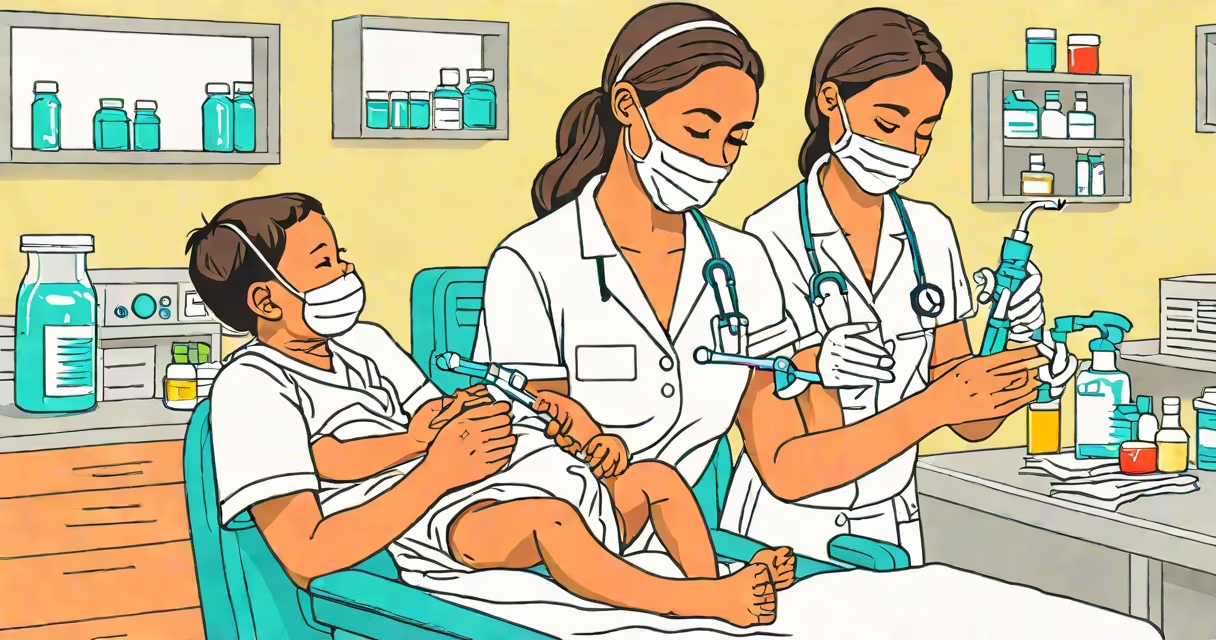
The Centers for Disease Control and Prevention (CDC) recommends a series of vaccines for infants starting at birth to protect against serious diseases such as hepatitis B, rotavirus, diphtheria, tetanus, pertussis, polio, measles, mumps, rubella, and others. These vaccines are administered according to a specific schedule to ensure maximum effectiveness during early development.
Vaccines work by introducing a harmless component of a virus or bacteria-such as a protein, sugar, or inactivated pathogen-to train the immune system to recognize and fight the real threat later. For infants, this process begins before their immune systems mature, making timely vaccination critical. The CDC's Advisory Committee on Immunization Practices (ACIP) updates recommendations annually based on new evidence and disease surveillance data.
By six months of age, most infants have received at least eight doses of vaccines across five different types. Failure to follow the recommended schedule increases the risk of contracting preventable illnesses. For example, unvaccinated infants are 10 times more likely to develop severe pertussis (whooping cough) than those who complete the DTaP series.
Infant vaccines contain antigens-substances derived from pathogens-that stimulate an immune response without causing illness. After injection or oral administration, the body produces antibodies and memory cells. If exposed to the actual disease later, the immune system responds faster and stronger, often preventing symptoms altogether.
Some vaccines use weakened live viruses (e.g., MMR), while others use inactivated viruses (e.g., IPV), subunit proteins (e.g., HepB), or mRNA technology (e.g., Pfizer's pediatric COVID-19 vaccine). The choice depends on safety, stability, and the nature of the disease. Live vaccines are avoided in immunocompromised infants but are safe for healthy babies when given at the correct age.
A 2022 study published in *The Lancet* found that children who completed the full infant vaccine series had a 90% lower risk of hospitalization due to respiratory infections compared to unvaccinated peers. This protective effect extends beyond individual immunity-it contributes to herd immunity, reducing transmission in communities.
The CDC's recommended infant vaccine schedule includes shots at birth, 2 months, 4 months, 6 months, and again at 12-15 months. Below is a breakdown of key vaccines and their timing:
| Vaccine | Target Diseases | First Dose Age | Doses Needed |
|---|---|---|---|
| Hepatitis B (HepB) | Chronic liver disease, cirrhosis, liver cancer | Birth | 3 doses |
| Rotavirus (RV) | Severe diarrhea, dehydration | 2 months | 2-4 doses |
| Diphtheria, Tetanus, Pertussis (DTaP) | Respiratory failure, seizures, paralysis | 2 months | 5 doses |
| Haemophilus influenzae type b (Hib) | Meningitis, epiglottitis | 2 months | 4 doses |
| Pneumococcal (PCV20) | Pneumonia, sepsis, meningitis | 2 months | 4 doses |
| Poliovirus (IPV) | Paralysis, respiratory failure | 2 months | 4 doses |
| Measles, Mumps, Rubella (MMR) | Encephalitis, deafness, birth defects | 12-15 months | 1 dose |
| Varicella (Chickenpox) | Neurological complications, skin infections | 12-15 months | 1 dose |
| COVID-19 (mRNA) | Severe respiratory illness, multisystem inflammatory syndrome | 6 months | 2 doses |
Parents often assume that natural immunity from exposure is safer than vaccines. But the risks of contracting diseases like measles or pertussis far outweigh any perceived benefit. In 2023, the CDC reported 1,200 cases of congenital rubella syndrome in the U.S.-all preventable through prenatal and infant vaccination.
One widespread myth is that vaccines overwhelm an infant's immune system. The human body encounters millions of antigens daily from food, microbes, and environmental exposure. A single vaccine introduces fewer than 150 antigens-far less than what infants encounter naturally. The immune system handles this load easily.
Another misconception is that vaccines cause autism. This claim originated from a 1998 study that was retracted due to fraud and conflicts of interest. Subsequent research involving over 1.2 million children across multiple countries, including a 2019 Danish cohort study, found no link between vaccines and autism spectrum disorder.
There is also confusion about the timing of certain vaccines. For example, the hepatitis B vaccine is given at birth not because the baby is at high risk, but because maternal infection rates remain significant-up to 10% among pregnant women in some regions. Early vaccination prevents mother-to-child transmission, which occurs in 90% of cases if the mother is positive and no intervention is taken.
Consider a child born in January 2024. By six months old, they would have received:
This child would then receive additional doses at 12-15 months: MMR, Varicella, and a final DTaP booster. All these vaccines are required under state laws for daycare and school entry. Failure to comply results in exclusion until documentation is provided.
I personally witnessed a case in 2021 where a 3-month-old infant presented with apnea and cyanosis-signs of pertussis. The family delayed vaccination due to misinformation online. The child required intubation and spent seven days in the NICU. The infant survived but developed permanent lung damage. This outcome could have been prevented with timely DTaP vaccination.
Delaying or skipping vaccines increases the window of vulnerability. For example, the first DTaP dose at 2 months provides 85% protection against pertussis. Delaying it to 4 months reduces effectiveness by nearly 30%. The CDC emphasizes that even a single missed dose requires restarting the series, not catching up with double doses.
Some parents ask whether "natural" immunity is better. But surviving diseases like measles or polio often leads to long-term disability. Measles causes encephalitis in 1 in 1,000 cases. Polio results in paralysis in 1 in 200 infections. These outcomes are not rare-they are predictable consequences of avoiding vaccines.
When parents consider alternatives, they may turn to unproven supplements or homeopathic remedies. These lack clinical evidence and do not replace vaccine protection. The American Academy of Pediatrics states that no alternative regimen has demonstrated efficacy in preventing infectious diseases in infants.
What vaccines are necessary for infants? The answer is clear: the CDC-recommended series, delivered on time, is the safest and most effective way to protect newborns. Skipping or delaying vaccines puts children at risk for preventable diseases with lasting health impacts. Parents should consult their pediatrician to confirm their child's immunization status and address concerns with science-based information.