Santiago de Surco is a district in southern Lima, Peru, established in 1964 as part of the city's expansion. It lies within the Lima Metropolitan Area and serves as a mix of residential zones, commercial centers, and educational institutions.
The district was formed from land previously part of the larger Chorrillos province. Its name honors Saint James the Greater, reflecting colonial-era religious naming patterns common in Peruvian towns. The area developed rapidly after the 1970s due to migration from rural regions and urban sprawl toward Lima's south.
Today, Santiago de Surco spans approximately 11.7 square kilometers and has a population of about 108,000 residents. It is bordered by Miraflores to the west, San Isidro to the north, and Chorrillos to the east. Major roads include Avenida Javier Prado and Avenida Elmer Faucett, which connect it to central Lima and the Pan-American Highway.
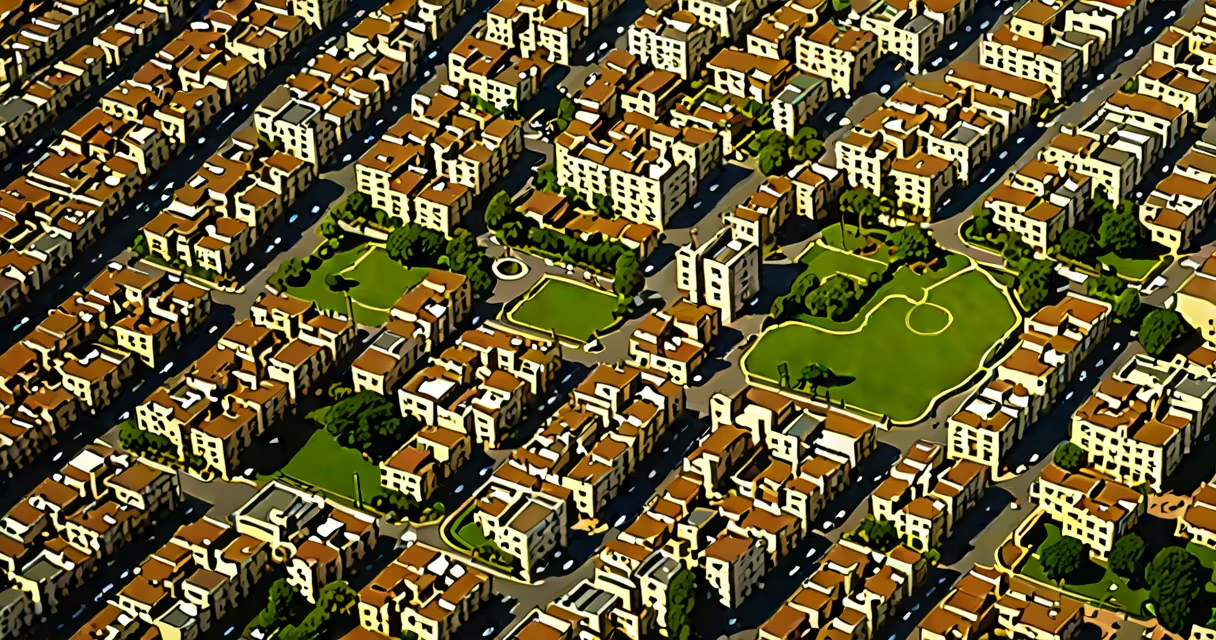
Urban planning in Santiago de Surco emphasizes zoning separation. Residential areas dominate the northern and eastern sectors, while commercial corridors run along major avenues. The district features wide boulevards with mature trees, contributing to its reputation for greenery and walkability.
Public services include municipal offices, public parks such as Parque Kennedy, and access to healthcare through clinics operated by the Ministry of Health. The district also hosts several private hospitals and dental centers catering to middle- and upper-income families.
Transportation relies heavily on personal vehicles and buses. The Metropolitano bus rapid transit system connects Santiago de Surco to downtown Lima via the Line 1 route, reducing commute times from 45 minutes to under 25 minutes during peak hours.
Santiago de Surco is home to several academic and cultural landmarks. The Universidad del Pacífico, founded in 1961, maintains a campus in the district and contributes to local employment and civic engagement. The university offers programs in business, law, and economics, drawing students from across Peru and Latin America.
Religious architecture includes the Iglesia de Nuestra Señora de la Asunción, a 19th-century church located near the intersection of Avenidas Javier Prado and Las Palmeras. Its neoclassical façade and bell tower remain visible from nearby residential rooftops.
Commercial hubs center around the shopping complex Centro Comercial El Paseo, which opened in 2008. It houses over 120 stores, including national chains like Ripley and Wong, and regional restaurants serving Peruvian cuisine. The mall also includes a multiplex cinema and a children's play zone.
| Feature | Description | Location |
|---|---|---|
| Universidad del Pacífico | Private university offering degrees in business and law | Avenida Javier Prado Este |
| Iglesia de Nuestra Señora de la Asunción | Historic church with neoclassical design | Calle 20, between Avenidas Las Palmeras and Elmer Faucett |
| Centro Comercial El Paseo | Shopping mall with over 120 retail outlets | Av. Elmer Faucett 1000 |
Some visitors confuse Santiago de Surco with Miraflores, a neighboring district known for beaches and upscale dining. While both lie in southern Lima, Miraflores has a coastal location and higher property values. Santiago de Surco lacks oceanfront access and focuses more on education and family-oriented living.
Another frequent error is assuming Santiago de Surco is a tourist destination. Unlike districts such as Barranco or San Borja, it does not host major festivals or historical sites attracting international travelers. Most tourism activity occurs during academic events at the university or seasonal markets held at Parque Kennedy.
Local residents often emphasize that the district's identity stems from community cohesion rather than iconic landmarks. Neighborhood associations manage street lighting, waste collection, and school safety initiatives. These grassroots efforts contribute to lower crime rates compared to other Lima districts with similar population sizes.
In 2022, I visited Santiago de Surco during a weekend event at Parque Kennedy. The park hosted a cultural fair featuring traditional Andean music, food stalls selling ceviche and anticuchos, and art exhibitions by local painters. Over 3,000 people attended, mostly families and university students. The atmosphere felt inclusive and low-key-no security barriers, no entrance fees. This contrasted sharply with the high-traffic tourist zones in central Lima.
Santiago de Surco exemplifies how planned suburban development can balance growth with livability. Unlike informal settlements in Lima's outskirts, the district maintains consistent infrastructure standards. According to the Instituto Nacional de Estadística e Informática (INEI), Santiago de Surco ranks among the top 10 districts in Lima for access to clean water and electricity.
Its integration into Lima's transport network makes it accessible for commuters. A 2023 study by the Pontificia Universidad Católica del Perú (PUCP) found that 68% of residents work within 30 minutes of their homes using public transit or carpooling. This reduces traffic congestion and supports sustainable urban mobility.
For those exploring Lima beyond the historic center, Santiago de Surco offers a realistic picture of daily life in a modern Peruvian city. It is not a destination for sightseeing, but a place where culture, education, and routine coexist.
Understanding santiago de surco requires recognizing it as a functional urban district rather than a landmark. Its value lies in stability, accessibility, and community networks. For travelers seeking authentic experiences beyond tourist trails, visiting Santiago de Surco provides insight into everyday Lima.