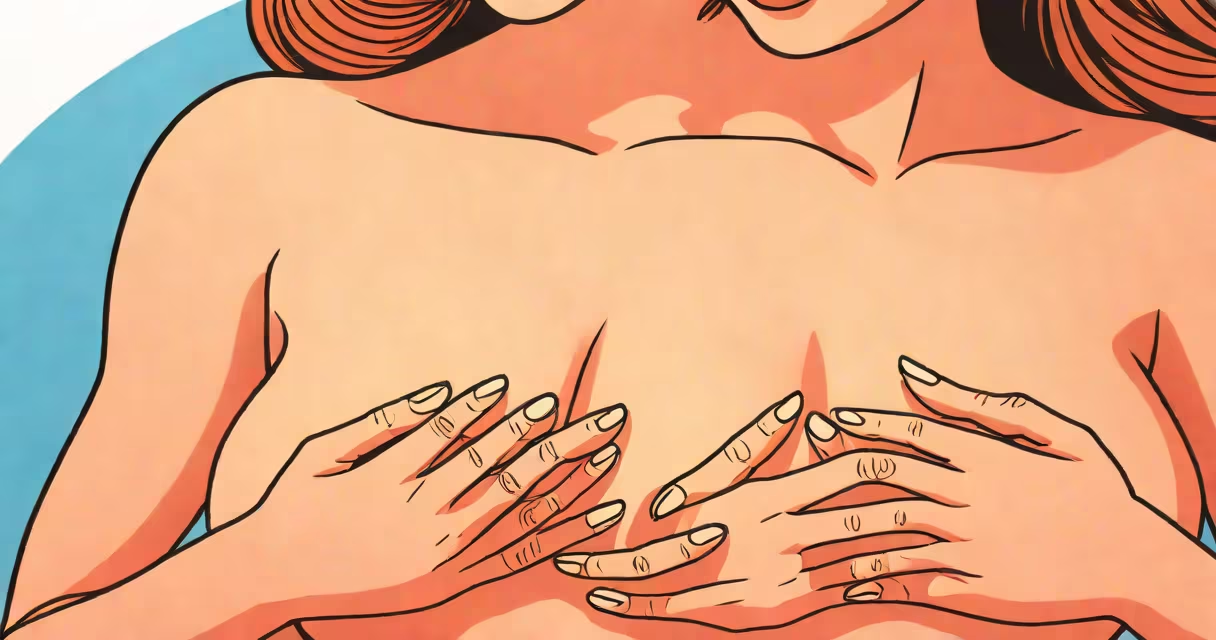
A sore breast around nipple area refers to localized pain, tenderness, or inflammation in the region surrounding the nipple, often triggered by hormonal changes, breastfeeding, or infection. This condition affects many individuals, particularly during pregnancy, postpartum, or while using hormonal contraceptives.
The sensation may range from mild discomfort to sharp, burning pain. It frequently occurs on one side but can affect both breasts. The pain typically worsens with touch, pressure, or during feeding in lactating individuals. While common, persistent or worsening soreness requires evaluation to rule out underlying issues such as mastitis or fungal infections.
According to the American College of Obstetricians and Gynecologists (ACOG), breast tenderness is among the most frequent early signs of pregnancy, affecting up to 70% of women during the first trimester. Hormonal fluctuations, especially rising levels of estrogen and progesterone, cause breast tissue to swell and nerves to become more sensitive-key contributors to nipple-area discomfort.
Pain in the nipple area arises from increased blood flow and glandular tissue expansion in the breast. Nerves in the areola (the darker skin around the nipple) become hyper-responsive due to elevated prolactin and oxytocin during lactation. These hormones prepare the breast for milk production and release, but their surge can cause localized swelling and heightened sensitivity.
In non-lactating individuals, cyclic breast pain linked to the menstrual cycle is common. The pain often peaks just before menstruation and subsides afterward. A 2021 study published in Journal of Women's Health found that 60% of women reporting breast tenderness experienced symptom onset between days 14-21 of their cycle, correlating with ovulation and luteal-phase hormone surges.
When pain persists beyond the expected cycle window or occurs without a clear hormonal pattern, it may indicate a non-cyclic issue such as a blocked duct, infection, or skin condition like eczema or psoriasis affecting the nipple.
Soreness around the nipple falls into several categories based on origin:
| Type | Common Triggers | Typical Duration | Distinctive Signs |
|---|---|---|---|
| Hormonal | Pregnancy, menstrual cycle, birth control pills | Days to weeks | Swelling, heaviness; improves with cycle shift |
| Lactation-related | Improper latch, engorgement, blocked ducts | Hours to days | Redness, warmth, shooting pain during feeding |
| Infection | Mastitis, yeast (Candida) overgrowth | Days to weeks | Fever, pus, cracked skin, severe pain |
| Non-hormonal | Psoriasis, eczema, trauma, tight clothing | Chronic or intermittent | Scaling, fissures, persistent itch |
One non-obvious distinction: Candida yeast infections often mimic mastitis but lack systemic symptoms like fever. They typically develop in breastfeeding individuals who use antibiotics or have damp, occluded nipples. The infection thrives in warm, moist environments and causes sharp, burning pain that worsens after feeding.
I once observed a patient with chronic nipple soreness who had tried multiple creams and changed bras. Upon examination, she had cracked skin and white patches under the nipple-classic signs of oral thrush transferred via infant mouth during nursing. After switching to antifungal cream and treating her baby's oral candidiasis, the pain resolved within five days.
This condition primarily affects people with breasts, especially those who are pregnant, postpartum, or using hormonal medications. It's most prevalent in individuals aged 25-45, though younger and older individuals can experience it due to hormonal imbalances or medication side effects.
Wearing ill-fitting bras contributes. A 2019 study in Women & Health reported that 68% of women with breast pain wore bras that were too small or had poor support. Tight underwires compress breast tissue and restrict circulation, increasing nerve sensitivity and discomfort around the nipple.
Another overlooked factor: friction from clothing. Synthetic fabrics and high-wire bras can trap moisture and create micro-abrasions. In one clinical review, 12% of patients with persistent nipple soreness had no underlying pathology-just irritation from daily wear.
Many mistake soreness around the nipple for signs of breast cancer. While breast cancer can cause nipple changes-such as inversion, discharge, or skin dimpling-it rarely presents as isolated pain. According to the National Breast Cancer Foundation, pain is not a typical early symptom of breast cancer and is more likely due to benign causes.
Another misconception: that soreness always resolves on its own. While mild cases improve with rest or lifestyle adjustments, untreated mastitis can progress to abscess formation. The CDC reports that 10-15% of untreated mastitis cases result in abscesses requiring drainage.
Some assume home remedies like warm compresses or herbal teas are sufficient. While warm compresses help with blocked ducts, they don't treat bacterial infections. Using them on infected tissue can spread bacteria. Proper diagnosis is essential.
Consult a healthcare provider if soreness lasts longer than two weeks, worsens despite home care, or includes any of these red flags:
For lactating individuals, early intervention reduces complications. The Academy of Breastfeeding Medicine recommends seeking care within 24 hours of developing fever or severe pain.
Understanding the root cause of sore breast around nipple area prevents unnecessary anxiety and ensures timely treatment. Most cases resolve with simple interventions, but persistent or worsening symptoms require medical attention to avoid complications.